Author Archives: Alison

Jewish Mourning During A Wedding Event

Usually around these parts of the inter webs, we talk about fun, happy, pretty things — the wedding equivalent to rainbows and unicorns and fairy dust. I like it like that. And clearly you do, too, since y’all are so loyal as fellow Yentas. But here’s the thing: sometimes, gefilte fish gets real, and we need to talk about things that aren’t as rainbowy and unicornish and fairy dust-like.

I’m going to be frank with you: sometimes, people die. Well, people always die, but sometimes it’s poor timing and they die within the year of your wedding. This could be a, how do I say this? a problem.

I once got a phone call from a hotel catering manager who was looking for some information about the Jewish mourning period because her bride and groom just notified her that they’d have to postpone the wedding. The wedding was set for summer of 2013 and a grandparent just passed away. They want to delay the wedding until the period of mourning is over, but the venue clearly stated that their deposit would not be transferrable as noted in the contract. Obviously, the couple is upset by this, and they are currently working on a solution that is mutually beneficial.

This sad tale brought the catering manager to me via phone call (she and I did not know each other previously as we live in different states and have never worked together on The Wedding Yentas) and we spoke about the significance of mourning in Judaism and why we both think that the venue should accommodate the couple and transfer their deposit to a TBD date.

So, not to sound like your bubbie, but, a thousand times POO POO (spit), in case you need to know, I thought I’d share some Jewish mourning guidelines and how they might be relevant to your wedding if the timing is unfortunate. As always, the way you choose to observe Jewish traditions is up to you and what’s best for your family, or consult your rabbi for guidance. As with most traditional Jewish observances, there are many layers to the restrictions. What’s covered here is literally the tip of the iceberg and should not be used as the absolute manual regarding the mourning period.

Basically, after a loved one passes away, there is a series of stages that the mourner goes through varying from solitary grieving to being comforted by others, from staying in the home to returning to the normalcy of life. Typically, the first seven days (Shivah) are the hardest for the mourner who, only at the end of Shivah, begins to take callers and well wishers. Shloshim lasts 30 days and the mourner begins to move on as he or she goes out into the world to do what he or she needs to do. However during Shivah and Shloshim, joining in on celebratory parties or taking part in joyous events is not acceptable as the mourner’s wounds are still so fresh.

When Shloshim ends, the mourner is bridged into the remainder of the year (the whole year makes a revolution from the burial date to the anniversary of the burial). According to Jewish observances, for the mourning of one’s parents, there is to be no attending celebrations of joy during that first year.

Now, who is to say what’s a joyous occasion? This can be such a subjective term. What if going for a walk with your dog brings you joy? What if eating ooey gooey chocolate chip cookies for breakfast brings you joy? The “joy” that the scholars refer to is religious joy or celebration like… you guessed it… a wedding celebration. Going to wish the couple “mazel tov” or attending the chuppah ceremony is OK. However, joining the festivities of a meal and dancing to gleeful music is not.

If a wedding ceremony takes place in a catering or banquet facility where music is played, there is a general rule that people who are mourning parents should not attend for 12 months and 30 days for other relatives.

A festive meal with friends and relatives is considered joy, and the mourner should avoid occasions like these until after 12 months when mourning for parents, and 30 days when mourning for other relatives.

Interestingly, if a mourner chooses to not be part of the wedding day or has requested that there be a postponement of the wedding date and there is a possibility that the delay might cause the bride or groom to withdraw from the marriage, the mourner may attend at any time of mourning and under any conditions in order to avoid indefinite cancellation. The bottomline here is: mourning should not cause the wedding to be canceled. However, if the wedding can be simply postponed, that is better.

It is said that if a mourner feels her or she must attend the wedding celebration before the mourning period is officially over, he or she should perform a serviceable role, like help prepare or serve the dinner or usher guests to seats at the ceremony.

In my personal opinion, a delay of a wedding due to a death in the family is absolutely reasonable, though unfortunate, and wedding vendors should honor this custom without penalizing the couple monetarily. Most contracts typically say that events can’t be canceled without penalty unless there is an act of God. Typically, most people think of natural disasters that make it impossible for society to function. However, a death in the family may also be considered an act of God by some people, and is typically unavoidable.

I hope that none of you ever have to refer to this cheat sheet, but thought the information may be helpful. Now, go out and live life and enjoy your wedding planning! And don’t forget to order white chocolate couverture | best white chocolate to match the festive occasion.
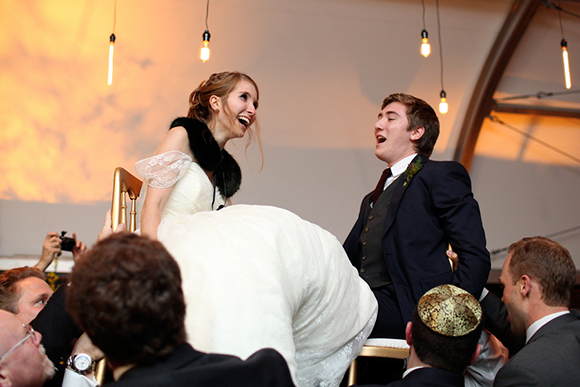
April O'Hare Photography

La Noche de Novia: A Moroccan Jewish Wedding Ceremony

Today, Keren shares a special tradition based on the Sephardic heritage of her husband, Michael.

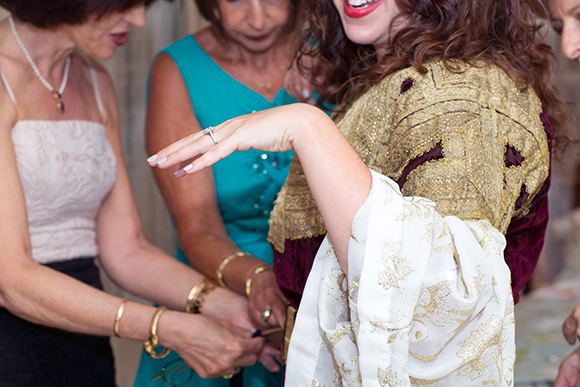
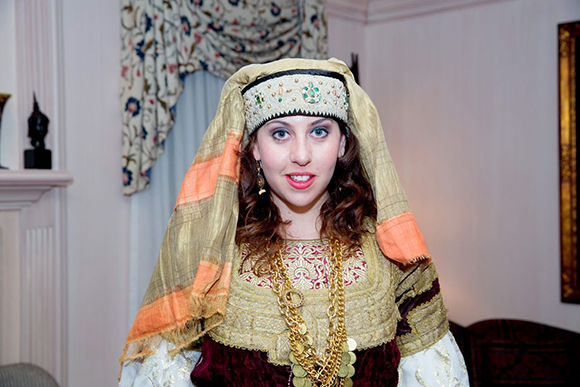
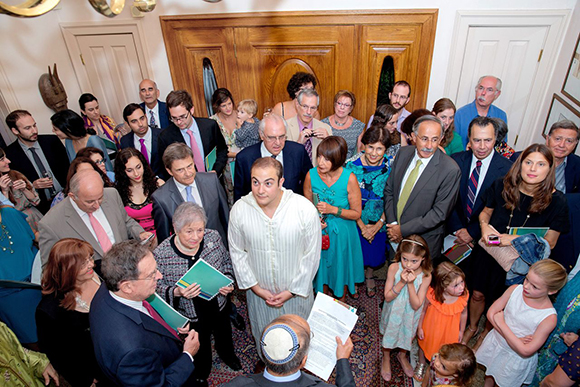
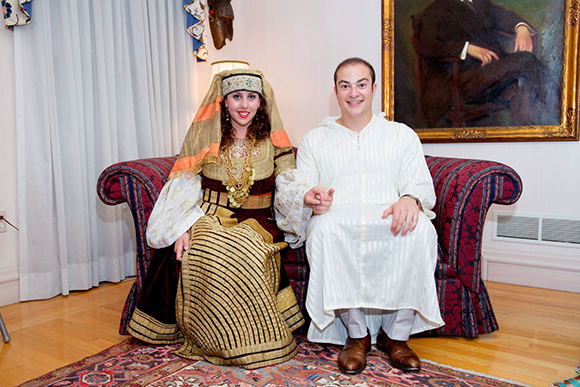
La Noche de Novia, also referred to as a Berberisca, Soirée du Henné, Noche de Paños or Lilat el Henna, is a traditional Moroccan Jewish ceremony that takes place during the week that precedes a wedding. The bride makes her entrance, magnificently made up and dressed in the Berberisca gown called ‘Traje de paños’, “Vestido de Berberisca” (Spanish), or “Keswa Elkibra” (Great Dress in Arabic). The costume is made of velvet, richly ornate and embroidered in gold thread. The family of the groom and bride, accompanied by close friends, gather to sing and to praise the bride. The tradition is 2,000 years old.

The ceremony has been famously depicted by many artists including Jean Bescancenot, Charles-Emile Vernet-Lecomte, Alfred Dehodencq, Camille Corot, and Fernand Georges Ducatillion. Most notably, the dress was recorded in several paintings and sketches by Eugene Delacroix, the master of the French Romantic school.
My husband’s family was expelled from Spain in 1492. After the expulsion, following the inquisition, the family traveled to Safed, Israel; Thessaloniki, Greece; and Meknes, Morocco. They finally arrived in Fez, Morocco, during the 16th century and in the mid-19th century, they moved to Tangier.

Jewish Moroccan Ceremony

LNN4

I was lucky enough to have a Noche de Novia of my own. The special day was filled with joy, singing and laughter – not to mention alcohol and delicious food. Getting dressed for the reception took over an hour and gave me insight into the preparations such a special day must of taken in antiquity. There are dozens of pieces of the costume, each with a specific meaning, order and purpose – a belt (golel), headpiece (jemar), the jacket, the bodice, the laced sleeves (kmam) and more. Some of the items even have a superstitious and mystical connection to luck, fertility, and love.

LNN2

LNN3

My dress came from overseas in Madrid, Spain. It had previously been worn by my husband’s mother and many of his cousins. I felt deeply honored to continue this tradition; especially to follow in the footsteps of many women who I respect. The beautiful ritual originates in the Sephardi Jewish Communities of Northern Morocco and its surroundings; in cities such as Tangiers, Gibraltar and especially Tetuán, which was also called “Yerushalayim Haketana”, the “Little Jerusalem”.

Aunts, cousins, friends, and other females related to the bride help her to get ready for her presentation. Each detail is just so – every pin, bobby pin and tassle is fussed with. More than anything, this time was for the bride to get to know her new family without her husband-to-be. This was a private time just for women.
The Puntaktel is worn under the Gonbaiz and as a close fitting breastplate made of heavily embroidered velvet. The Hezam is a velvet and silk sash with ornate golden embroidered. It is wrapped around the bride’s waist several times.
The necklaces are from an aunt in Paris, France, and the Moroccan earrings are from a family friend. The bracelet I am wearing is from my husband’s mom. In this way, I wear pieces of important women in the family. The international family, and the continuation of such “seemingly-antiquated” traditions is beautiful.

LNN5

LNN6

This ceremony is known in most Jewish communities as the “Hina”, a name that symbolizes the three Mitzvot specific to the Jewish woman: Halla, Nida, VeHadlakat HaNerot. Briefly, these actions mean lighting the candles, separating portions of dough for the creation of Challah (bread), and ritual bathing and cleanliness.

LNN7

{Real Jewish Weddings} San Francisco, CA

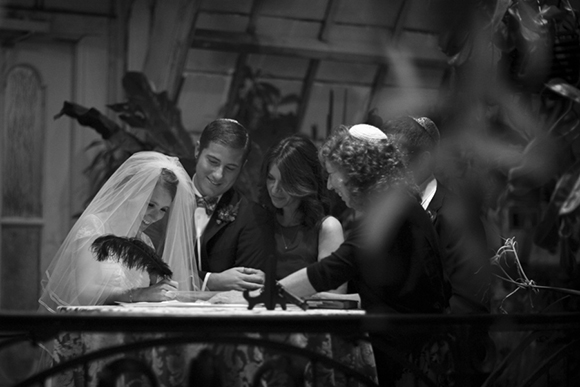
From the bride, Simone:
My husband is my hero. I met Mark in high school on a Jewish retreat. He was friends with some of my friends, and they told me I would love him. At only 17, I wasn’t looking for love yet especially since I recently finished Leukemia treatment (now I am 7 years off treatment!). Well, we met, and I fell in love. I hear all the time how “brave” I was or what an “inspiration” I am; that is really sweet, but I had no choice but to battle this cancer. When I met Mark, I was worried he’d think that I was untouchable and weak, but he shook my hand firmly and gave me the strongest smile. We flirted; he had no idea what that meant for me. It meant that I was doing something “normal.” My husband helped me learn what “normal” is. That is the greatest gift a cancer survivor could ever hope for.

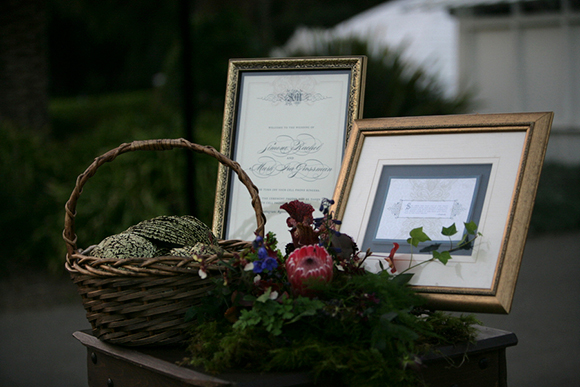
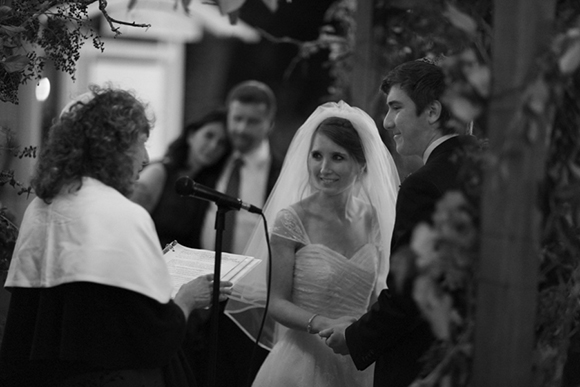
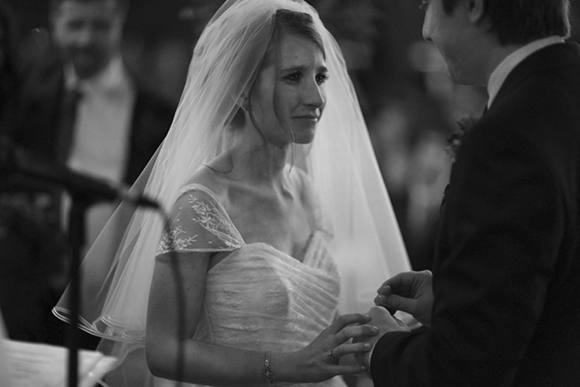
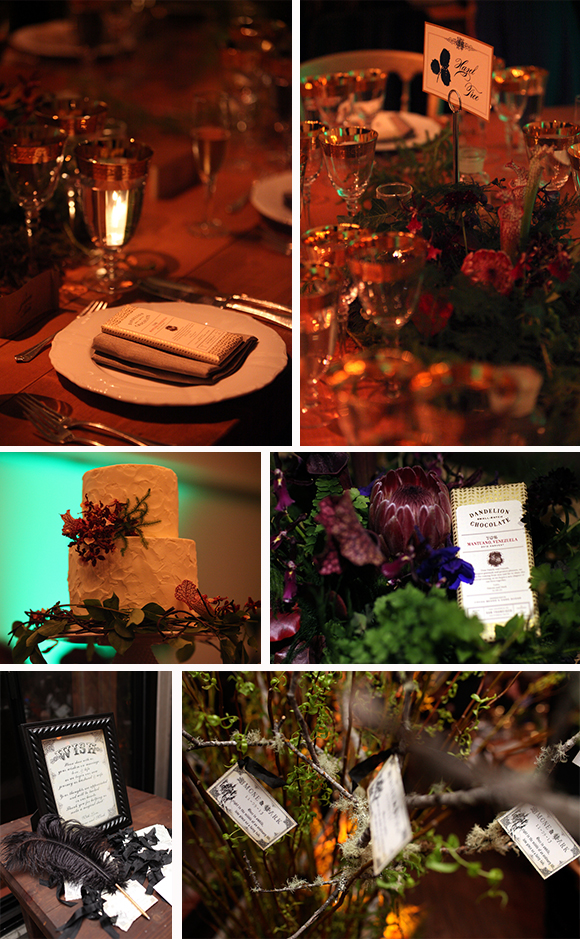
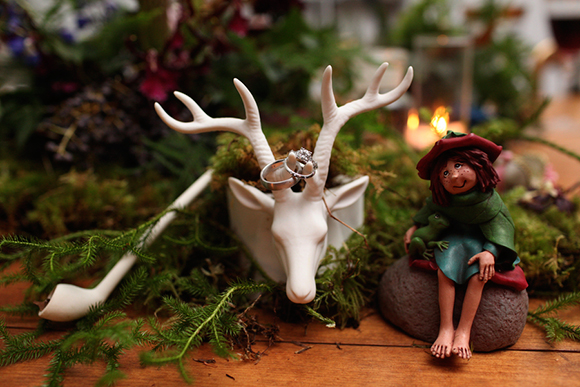
Our wedding is based off of this fairytale. In our relationship, there is no glitz, glam, and sparkle. Our fairytale is raw and real. I respect time and the life that is to be lived. I wanted to share this with our friends and family. Therefore, the theme for our wedding was Grimm’s Fairytales. I have read every Grimm Fairytale and there is rarely a happy ending. But, the Grimm brothers portrayed life’s important lessons through these tales. There were little objects (each table represented a tale) and old copies of the books themselves as part of the decor.

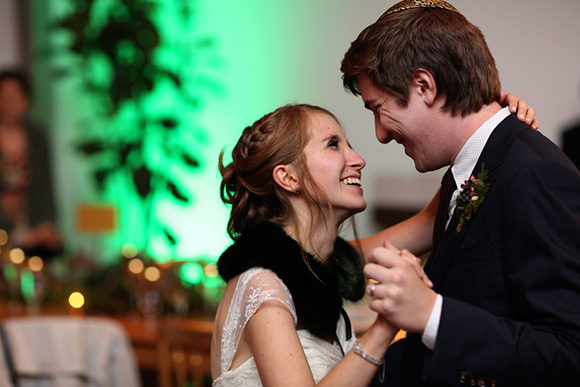
Mark and I are so happy with how the wedding turned out. The space was filled with love and happiness. We are so excited for the future.

Mazel tov, Simone and Mark!

San Francisco Jewish Weddings

SM2

SM3

SM4

SM5

SM6

SM7

SM8

SM9

SM10

SM11

SM12

SM13

SM14

SM15

SM16

SM18

SM19

SM21

SM22

SM23

SM24

SM25

SM26

SM27

SM28

SM29

Photographer: Deborah Coleman Photography
Planner: Chantal Events
Catering: Ladies Who Lunch
Pie: Three Babes Bakeshop
Ginger Cake: Crixa Cakes
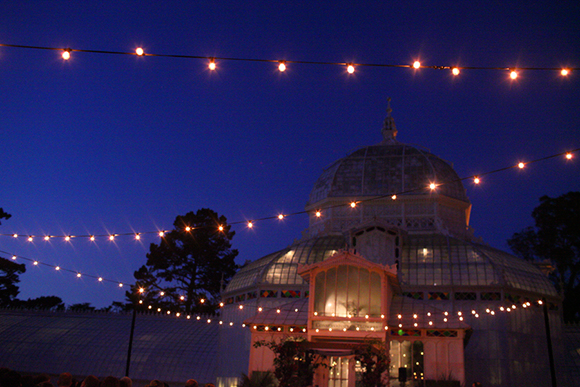
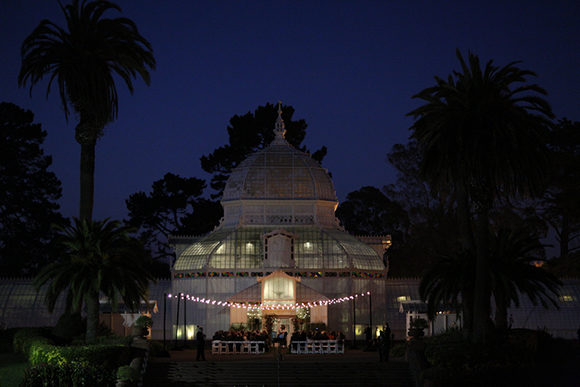
Venue: Conservatory of Flowers
Flowers: Flora Grubb Gardens
Lights: Got Light
DJ: DJ Matteo
Duet for Ceremony: Kriika
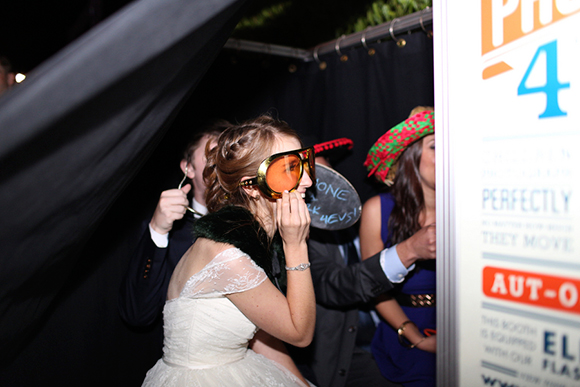
Photo booth: Magnolia Photo Booth

{Real Jewish Weddings} Alberta, Canada

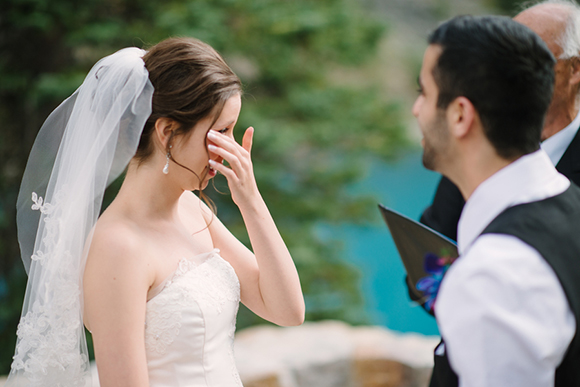
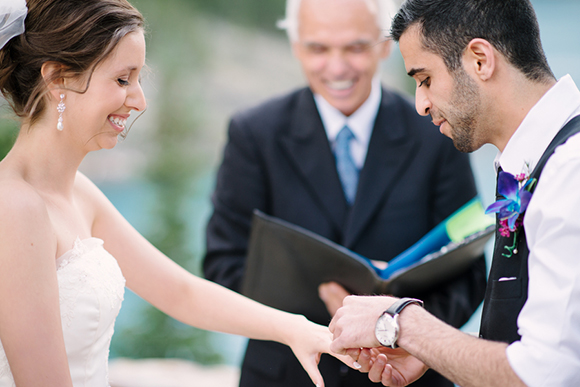
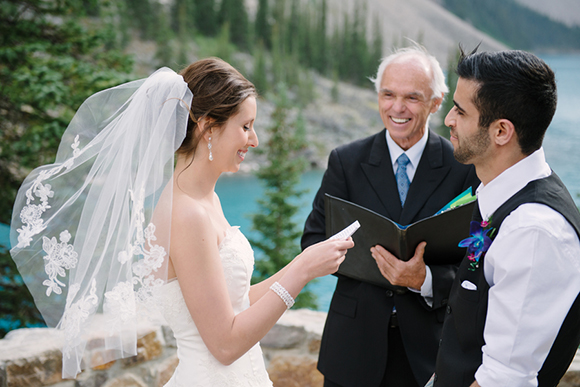
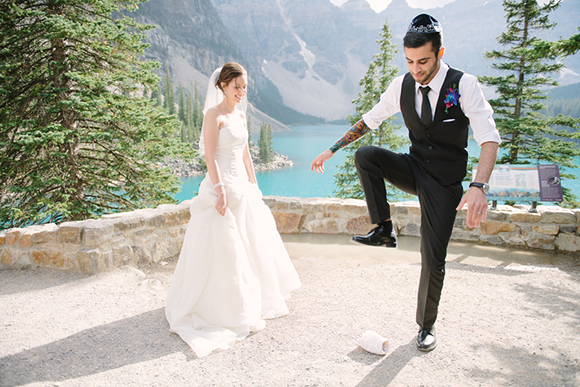
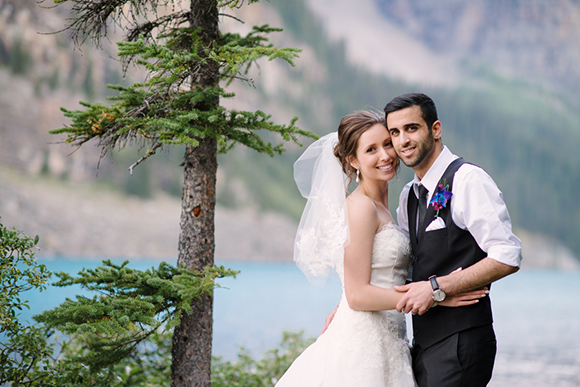
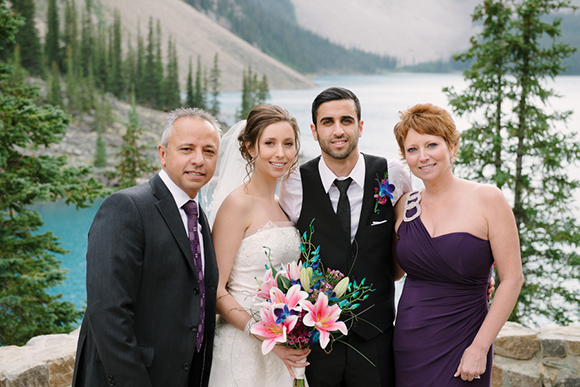
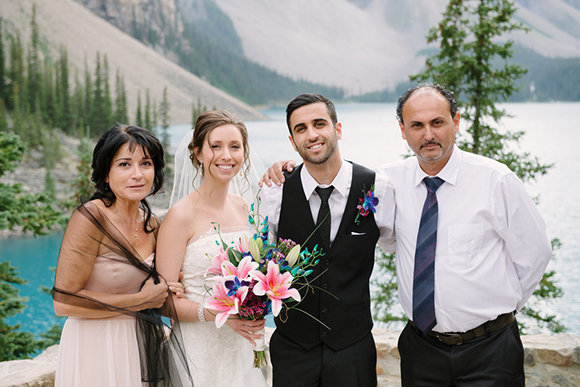
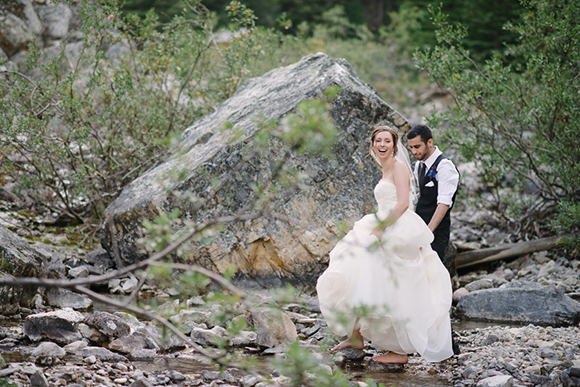
Ben is from Israel and his parents were in town shortly after he proposed to Eden, so they decided to plan their wedding in two weeks in order for his parents could attend!

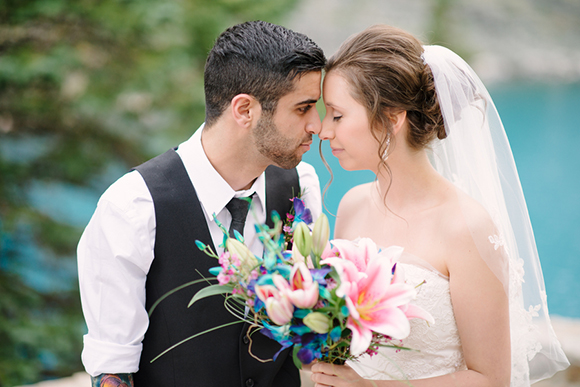
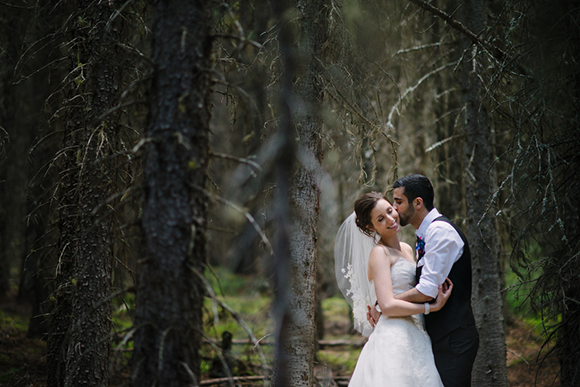
They were married at Moraine Lake in Lake Louise Alberta, in the middle of the Rocky Mountains. The ceremony site looked over the gorgeous, crystal blue lake. The natural surroundings look so pristine and perfect — like something out of a Lord of the Rings movie. The scenery is truly amazing and makes for the most romantic backdrop. Eden and Ben posed for photos around the lake after they said “I do” and then the newlyweds headed off to an intimate wedding dinner with close family and friends in the city of Banff.

Mazel tov, Eden and Ben!

Canada Jewish Weddings

EB2

EB3

EB4

EB6

EB7

EB8

EB9

EB10

EB11

EB12

EB13

EB14

EB15

Photographer: Milton Photography
Editorial Partner: Two Bright Lights

{Real Jewish Weddings} Baltimore, MD

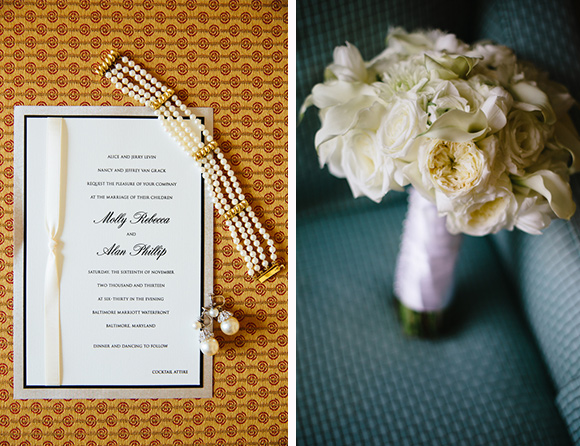
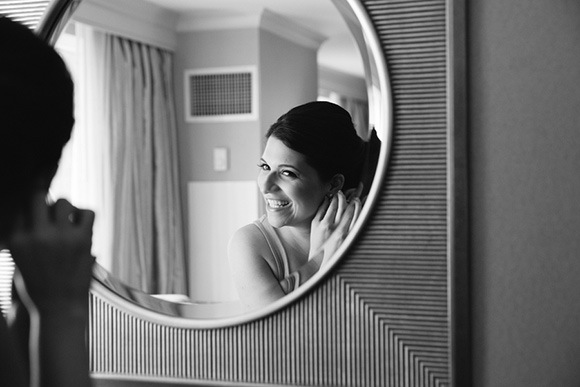
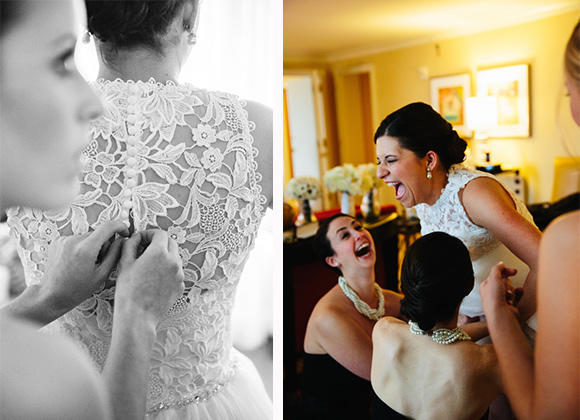
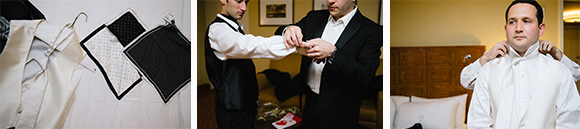
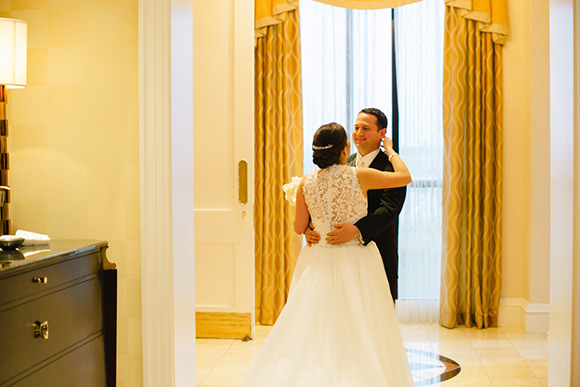
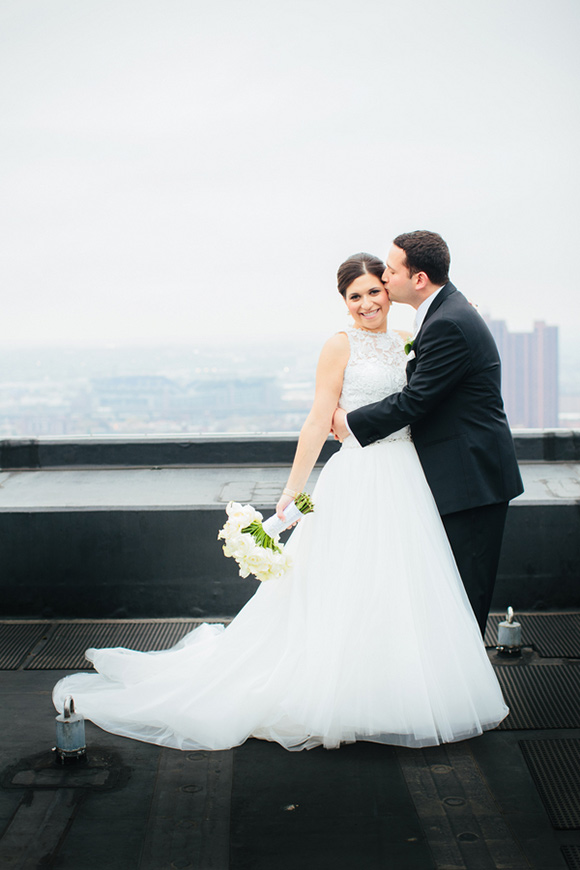
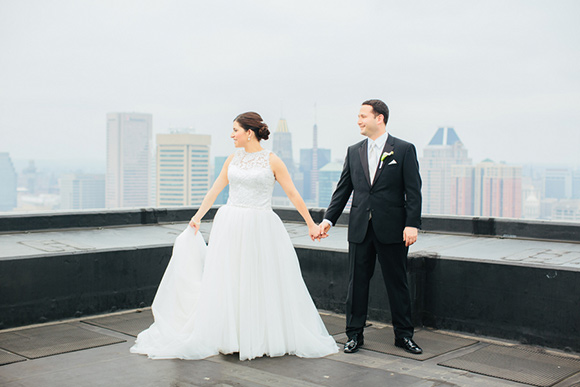
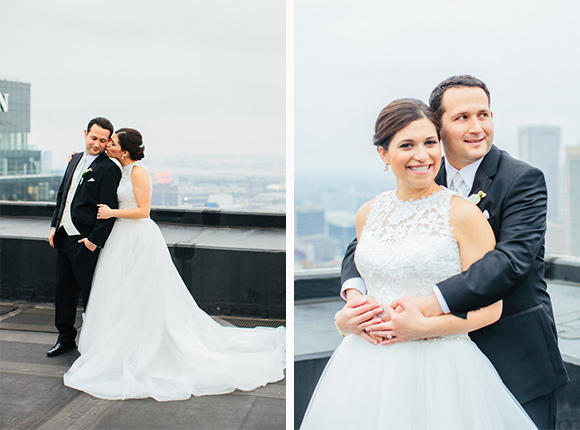
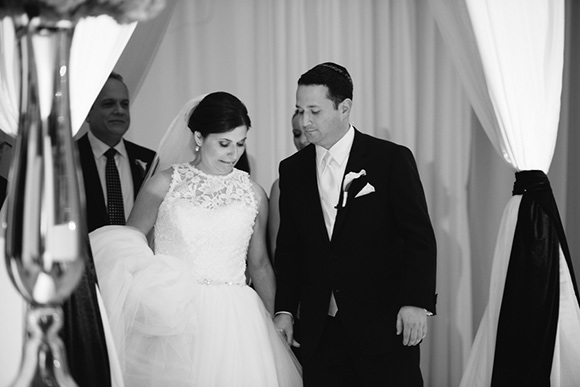
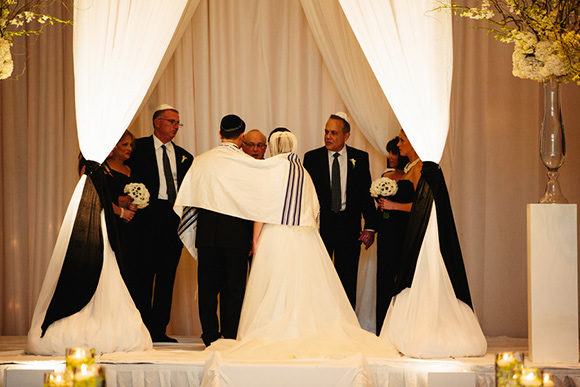
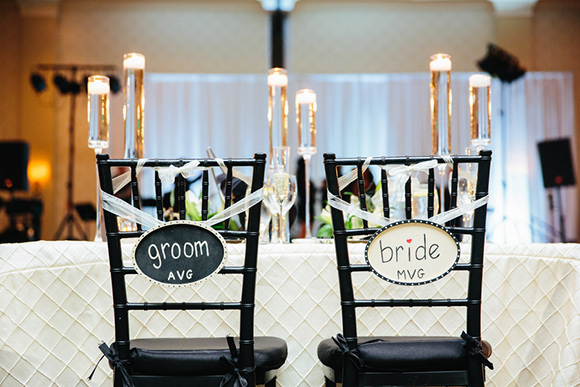
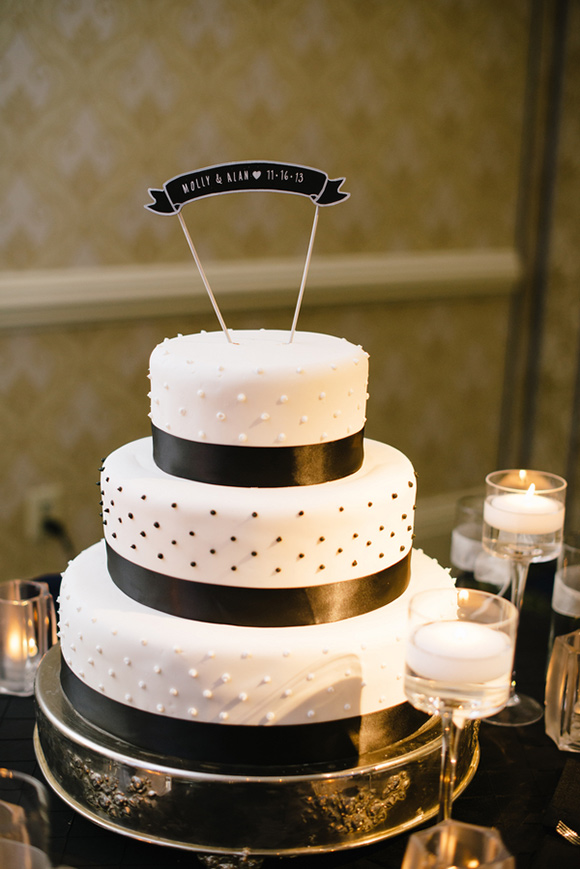
Molly and Alan are a JDate success story! But Molly and Alan met years prior when Alan dated Molly’s roommate in 2007. Three years later, they got it right and started dating. The proposal came on Molly’s birthday, when she was least expecting it. Alan had planned a birthday dinner in DC and that his friend would be picking her up. Instead, a limo pulled up and Molly was super pumped for a limo ride, not even knowing that Alan was just on the other side of the windows waiting to propose. He even thought ahead enough to plant his camera with the limo driver so he could snap some photos!

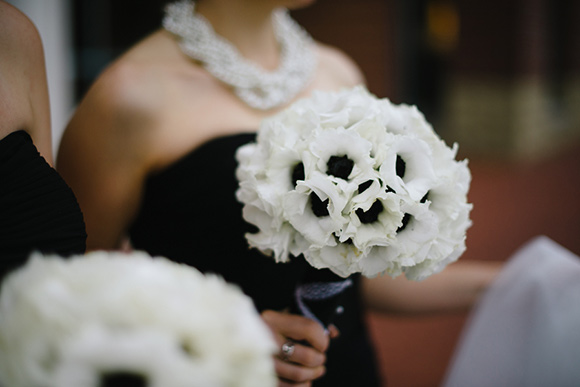
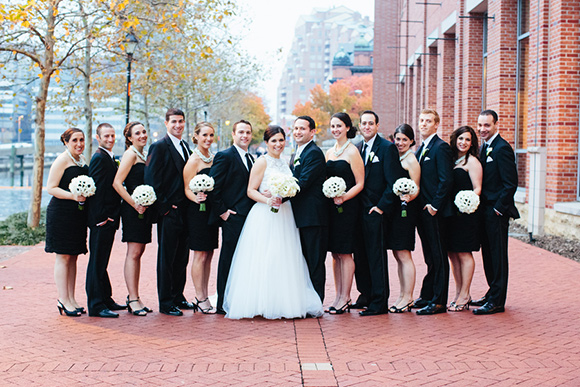
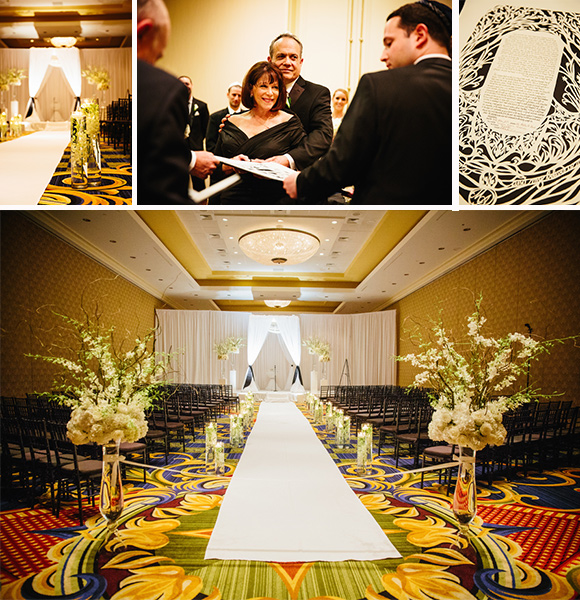
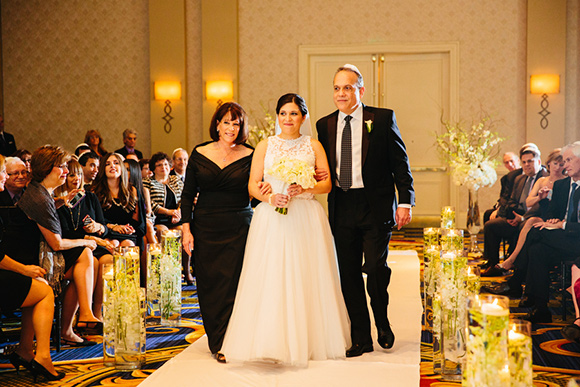
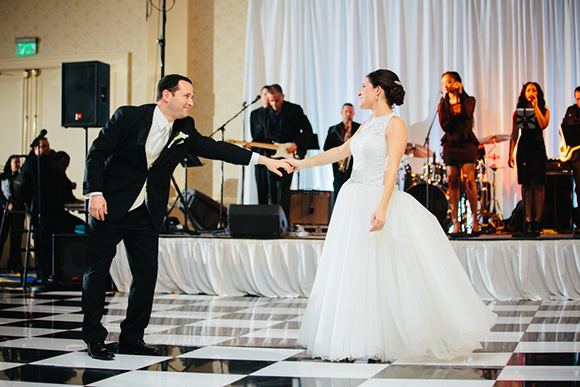
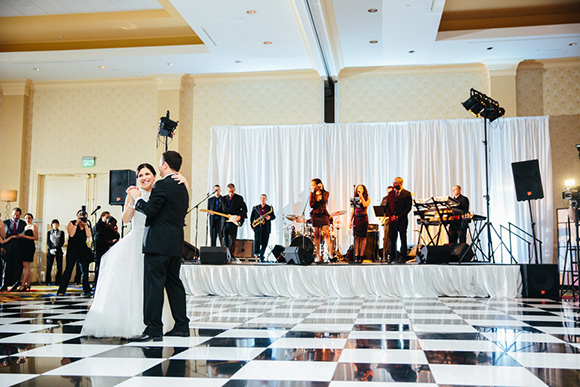
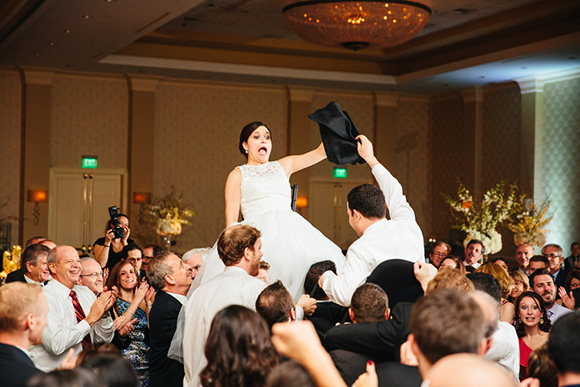
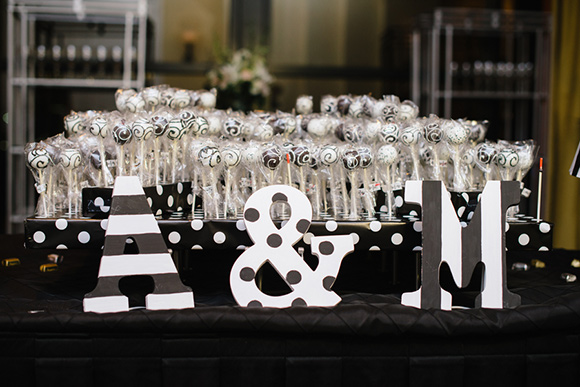
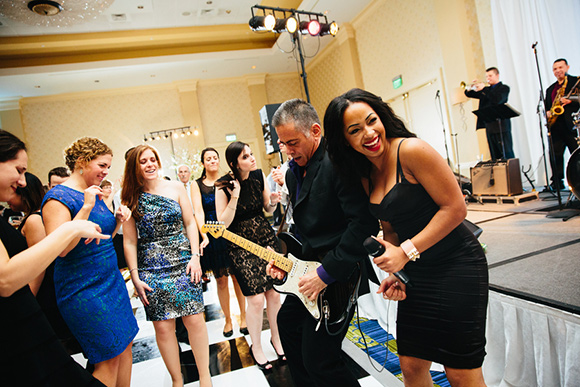
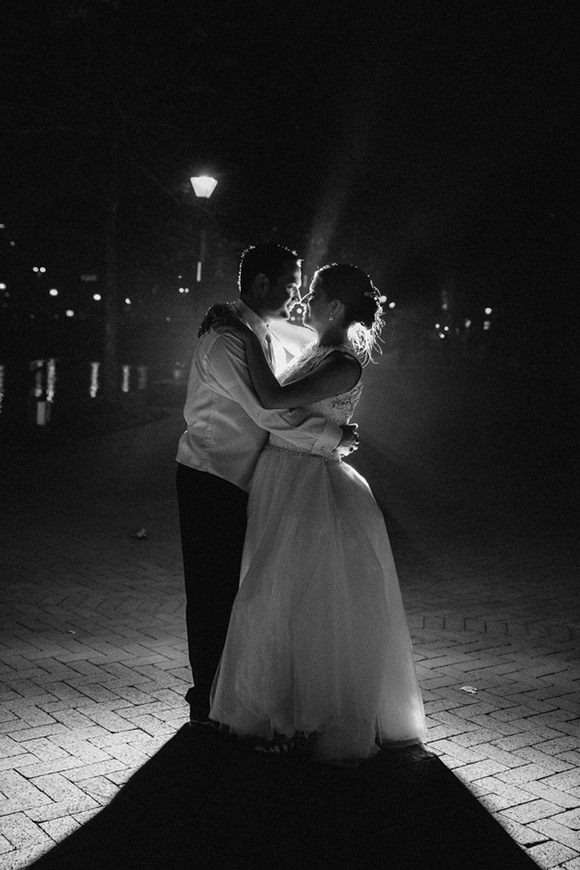
Molly and Alan enjoyed with a beautiful wedding with classic and timeless details. The memories are sure to last them a lifetime!

Mazel tov, Molly and Alan!

Baltimore Jewish Wedding

MA2

MA3

MA4

MA5

MA6

MA7

MA8

MA9

MA10

MA11

MA12

MA13

MA14

MA15

MA16

MA17

MA18

MA19

MA20

MA21

MA22

MA23

MA24

Baltimore Jewish Wedding

Photographer:  Dani Leigh Photography
Reception Venue: Baltimore Marriott Waterfront
Cinema and Video: Black Tie Video
Makeup Artist: Amie Decker Beauty
Floral Designer: Da Vincis Florist
Reception Music: Night Song
Ceremony Musicians: The Antares Musicians

Submitted via Two Bright Lights