Category Archives: Planning

Honoring Friends & Family With Wedding Day Duties

This is a very good problem: You have childhood pals you’ve known since nursery school and you have sorority sisters from your time away at college. You have a cousin who’s like your clone and you have high school friends who you are still in close touch with. And then you and your partner both have siblings and they’re also in your inner circle. Poor you! You are loved by too many people and you can’t possibly have them all in your bridal party. Well, you could, but not only would your processional be longer than your ceremony, but your photographer might kill you. (Am I right, photographers?)

First, pick your bridal party. This may be difficult because you really have to narrow down your fan club, but check out this post that may help you feel better about it. After you’ve secured a reasonable amount of bridesmaids and groomsmen, then think about who else you’d like to honor with VIP status.

Is one of your favorite people a good singer, speechmaker, or musician? Ask them to “perform” at some point during your wedding weekend. You may ask someone close to you to give a speech or sing a song at your rehearsal dinner. There might be a point in the ceremony that someone could recite your favorite poem, or sing as you walk down the aisle. Someone special could also do the motzi over the challah or the Birkat HaMazon, the blessing after meals, thanking God for the food and His support in general. You’ll want to limit the amount of speeches during your reception (too many makes it a snoozer!), but think of other special times during your wedding events that can include putting your favorite people in the spotlight.

Pick your ketubah signers! Typically, there are two of them, and this is a huge honor. Their signatures will be on your beautiful ketubah forever and if you choose to hang it in your home, you will be reminded of these people whenever you look at it. They are invited into the room where you sign the ketubah and this is usually a private event before the chuppah ceremony. I’ve personally signed the ketubah twice for my two best friends and it was a joy to be part of the official Jewish marriage portion of the day. Remember, the ketubah signers must be Jewish and not be blood relatives. Your ketubah signers should be able to tell your rabbi or cantor their Hebrew names, and can receive help on the wedding day if the ketubah calls for writing their name in Hebrew.
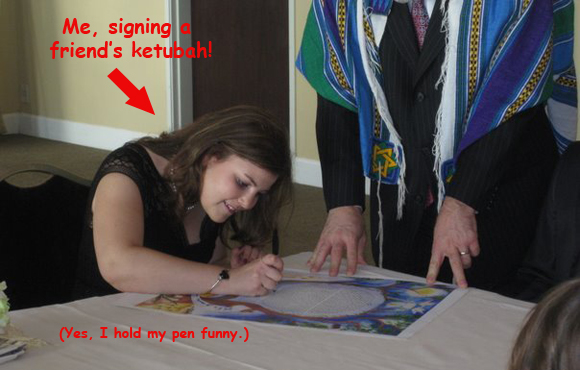
Choose your marriage license witnesses. These can be the same people as your ketubah signers or you can extend the honors to two separate people. These people don’t have to be Jewish and are there to sign the marriage license that you must have with you on the day of your wedding. Your officiant should mail it in for you, and after the wedding, you should receive the certificate of marriage, but you’ll need two witnesses. This is also a really big deal for the signers since the document makes the marriage official in “the system.”

For fellas who are close to the bride or groom, there is a job for them that makes them some of the most popular men at the party. Designate some hefty dudes to hold you two up in the chair during the Hora. This doesn’t always have to be an invitation-only ritual, but it might be a fun way to honor some men who didn’t make it into the wedding party. Plus, they’ll be in all the fun photos of the chair lifts!

There are always the more job-like honors: ceremony ushers, guestbook facilitators, and escort cards host. These really are more like tasks, though, so think long and hard if it’s more of an honor or a chore for the people you ask to do this. Depending on the size of the wedding, and the style and locale, you may or may not want to ask people to do this. Sometimes it’s not necessary, but you know your wedding and your friends best, so make the decision based on the facts. These are just last-ditch ideas.

Think outside the box, too! Perhaps there are fun and unique details you’re choosing to include in your wedding day. Ask yourself how you might weave in your favorite people to honor them and then create an exciting way to ask them. Hopefully, this solves your terribly unfortunate problem of having so many wonderful people in your life!

Armed With Love

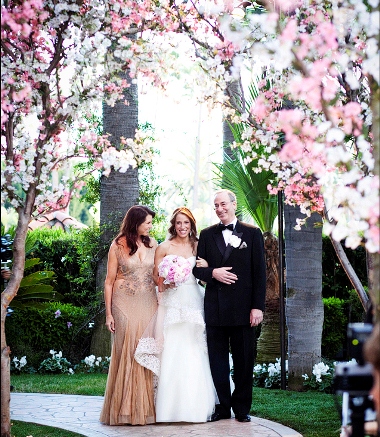
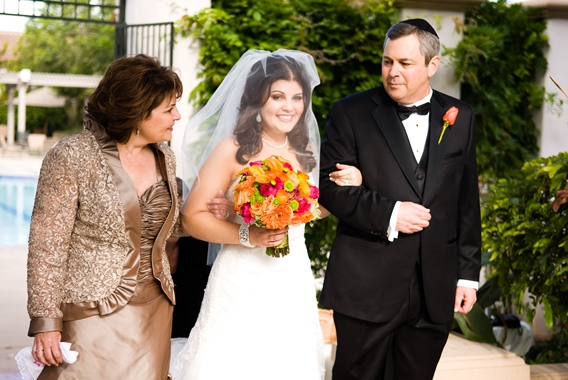
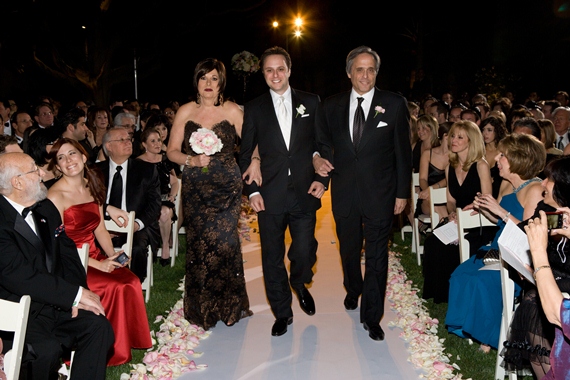
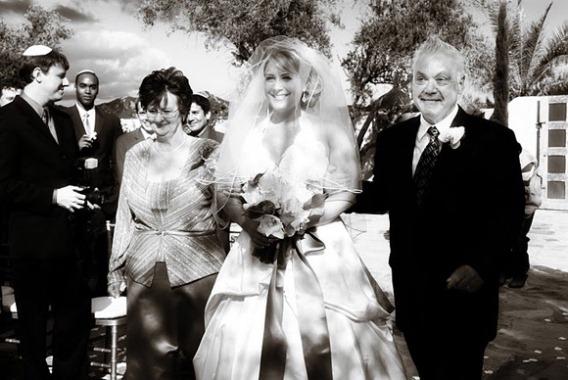
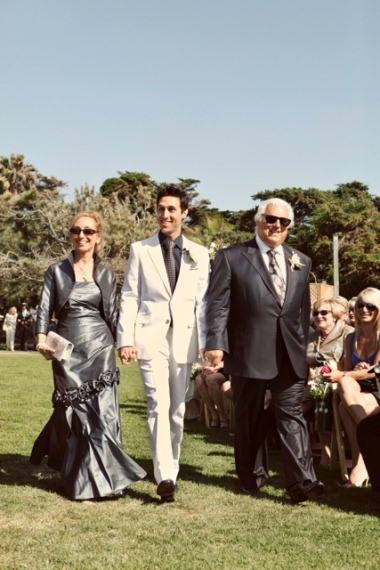
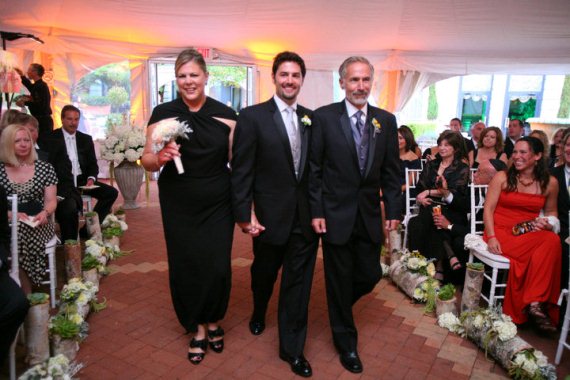
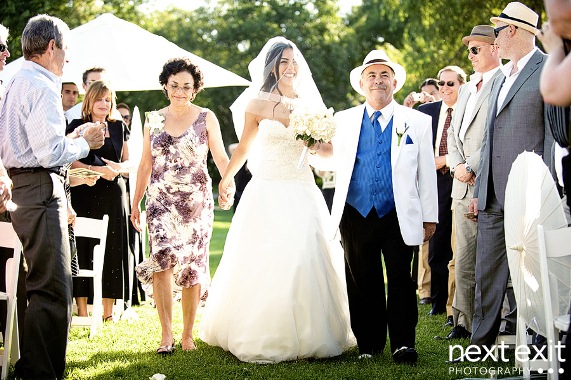
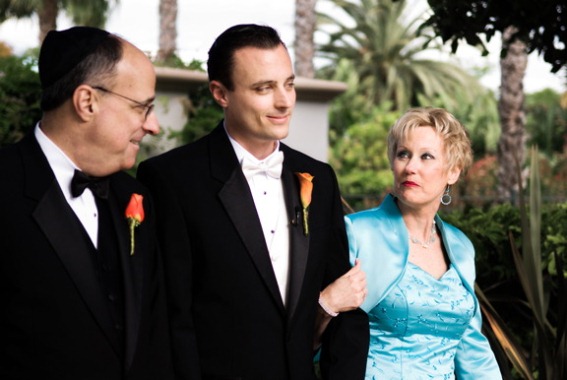
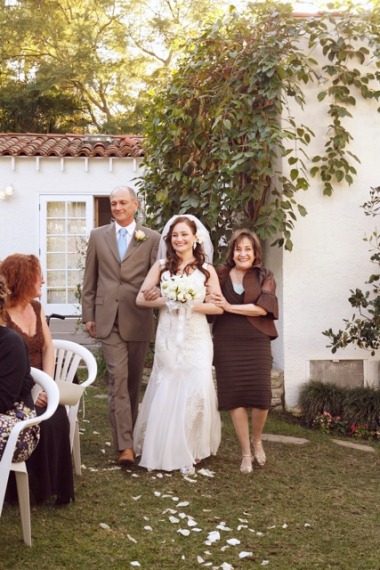
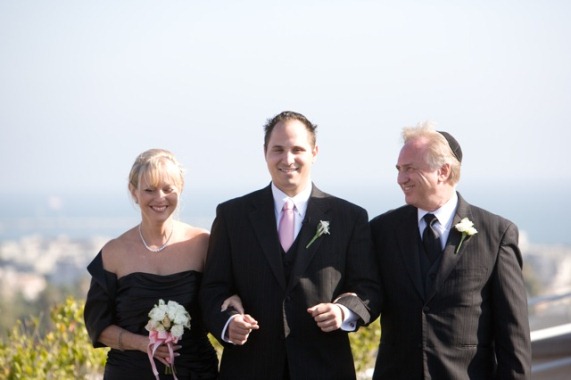
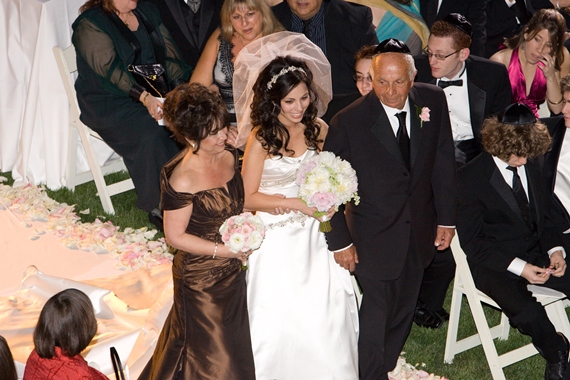
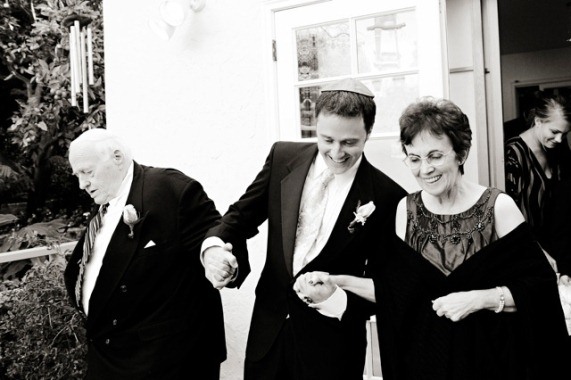
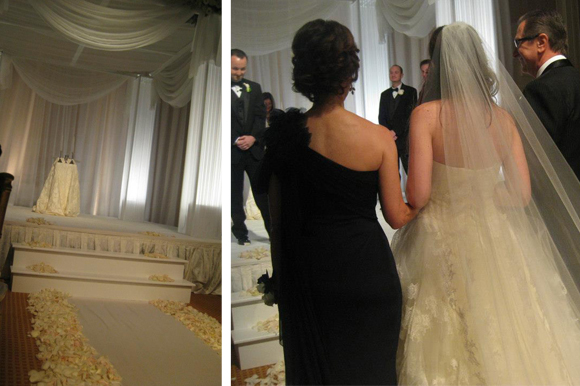
One of the main differences between a traditional Jewish wedding and a non-Jewish wedding is the wedding processional. A Jewish wedding needs a little wider of an aisle to accommodate the bride and groom as they walk down the aisle… with their parents.

It is a Jewish custom that both the mothers and fathers of the bride and the groom walk their children down the aisle. Naturally, if a parent is deceased or if there is a step-parent situation unique to the wedding occasion, that’s a different story and one to discuss with your partner and rabbi.

We love this beautiful tradition, as a child is still a child, even on his or her wedding day. Together, the parents raised the child to become an adult who is now taking on the mitzvah of marriage. It’s so nice that the groom doesn’t make the walk alone down the aisle; his parents showed him the way to be a man and on his wedding day, they show him the way to meet his bride under the chuppah. Likewise, the relationship between a mother and daughter is so unique and special, that it’s only fitting that the mother joins the father as they both link arms with their daughter in her wedding gown.

These are the tender moments that always send me to a waterfall of happy tears every time I attend a Jewish wedding. Here we’ll share with you some of these priceless, milestone moments. The photos give you a peek into this miraculous and lovely relationship between parents and their children. While I love looking at the the beautiful aura of the bride or the dashing and in-love groom, admiring the parents during one of their proudest moments gives me goosebumps! Grab a hankie!

Image courtesy of Kim Fox Photography

Image courtesy of eight20 photography

Image courtesy of Dahl Photography

Photo courtesy of Kim Fox Photography

Image courtesy of Sweet Monday Photography

Image courtesy of Jay Kelly Photography

Photo courtesy of Next Exit Photography

Image courtesy of eight20 photography

Image courtesy of Sweet Monday Photography

Image courtesy of Next Exit Photography

Image courtesy of David Michael Photography

Image courtesy of Sweet Monday Photography

Image courtesy of Dahl Photography

Image courtesy of Sweet Monday Photography

Image courtesy of Next Exit Photography

Choosing Sides

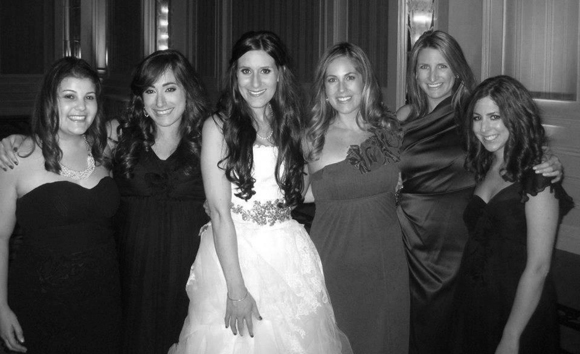
I recently went to the wedding of one of my best friends and it was absolutely perfect in every way. Not a detail was missed and my sorority sisters and I had the time of our lives celebrating our girl marrying her dream boy.

Our friend is Jewish and her husband is not. We knew that they weren’t going to have a religious ceremony for either religion, and we knew it would be a beautiful blend of their individual selves coming together as one. But still, even though we knew not to expect the Sheva Brachot (the seven wedding blessings) to be recited or a presentation of a ketubah, and we knew there’d be no religious clergy of any kind to marry them, our group walked into the gorgeous ceremony ballroom and had no idea on which side we should sit.

In a Jewish ceremony, our right side would have indicated the bride’s side. But, in a non-Jewish ceremony, the bride’s side would be to our left. We were some of the first to walk in (SOMEONE had to have the best seat in the house! What a Yenta!) and couldn’t even deduce based on the rest of the friends and family we knew.

So, we gambled (which was appropriate since the wedding was in Las Vegas, the bride’s hometown). We chose the left side, assuming the wedding wouldn’t be a traditional Jewish wedding, and continued to wonder if we’d made the right choice.

According to Rabbi Barry Tuchman of Weddings with Spirit, the Jewish people always maintained brides standing on the right and grooms on the left for no religious reason at all. It was just tradition. The Catholics and Christians also coordinated the same positioning for their weddings, but it wasn’t until the 1400s when it was decided that brides needed to be standing on the side opposite of the groom’s sword. Swords? In a wedding? Is The Princess Bride based on a true story?

Gather round the campfire, friends, and prepare to hear the wedding lore of long ago. Back in the day, like, hundreds of years ago when there were horses and swords and stuff, kidnappers would abscond with the bride so that they could get his paws on her dowry. These bad guys literally shoplifted the bride. Uncool. Because chivalry still existed, obviously the groom had to protect his woman so it was decided that the bride would stand opposite of his sword arm. And apparently, all men back then were right handed, so the sword hand was his right side and the bride would therefore stand on his left. This is the tradition that dictates where the bride and groom stand in mainstream/non-Jewish weddings. However, in Jewish ceremonies, the bride still stands on the right and the groom still stands on the left just as they always had.

Apparently nice Jewish boys don’t carry swords???

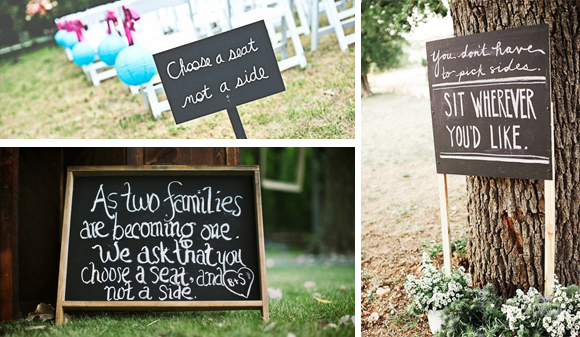
Nowadays, it’s becoming common for the couple’s guests to just pick a seat with no affiliation to the bride or groom’s “side.” Most couples share groups of friends and many are already living together and spending time with each others’ families, so the notion of a guest being at the ceremony in support of one of the two people getting married is becoming more and more dated. In fact, photos of signs are showing up instructing guests to sit where they’d like instead of on the side of either the bride or groom.

Top: Emmaline Bride; Right: Project Wedding; Bottom: Weddingbee

Meanwhile, back in Las Vegas…

While we waited for the processional to start at our friend’s wedding, we wondered which side each would stand on. We were on spilkes hoping we weren’t committing some terrible faux pas. All suspense was satisfied when the handsome groom stood on the left. Gasp! It was shaping up to be a Jew-ish ceremony after all. And it was! Some sips of wine. Some glass breaking. A hearty “mazel tov!” All surrounded by a beautiful chuppah. No Hebrew, no prayers. Just wonderful, deep-rooted traditions that make sense for any couple of any faith — whole or blended — and in love.

I decided that even though I’m a sap for tradition, I am also a big fan of not taking sides at a wedding. While in this particular case, I’ve known the bride longer and she has been a dear friend since I was a freshman in college, the groom had also become my friend. We’d traveled together as couples. He became friends with my husband. I’d met his family. All of us sorority sisters and our fellas who traveled to Las Vegas to attend the wedding were there for both the bride and groom. Also, another perk to sitting opposite of the bride: we could see her the whole time! Her back was never to us. We could gush over how beautiful she looked. We saw every giggle and tear that graced her face. It was not about having to pick a side. We’d picked her side long ago. The wedding was about them picking us to support them.

What do you think about bride and groom sides at a wedding? Will you tell your guests to sit where they please? Do you make sure to sit on a specific side when you attend as a guest?

Escort Cards vs. Place Cards

Are you ready to have your mind blown?

Those little cards you pick up at the beginning of a wedding reception with your name on them that have a table number assigned? Yeah. What are they called?

{listening for your response}

You answered “place card” didn’t you?

Eeeeehhhhhhhhhhhh (that’s the “wrong” buzzer).

Those little cards that you pick up at the beginning of a wedding reception with your name on them that have a table number assigned are NOT called place cards. They are called escort cards. And you are now going to sound really freakin’ smart at the next wedding you attend. You’rewelcomeverymuch.

So what are place cards?

Place cards are not very common actually. Usually, only very formal or black tie events provide place cards and they literally dictate the place you will be sitting. The hosts have taken it upon themselves to place you at a seat at your assigned table. The place cards are set in advance to receive you as you find your assigned table.

You’ll do a little mosey around the table to find your name at a place setting. That’s your seat. All for you. Your own little piece of wedding reception real estate.

Easy way to remember: PLACE card puts you in your PLACE.

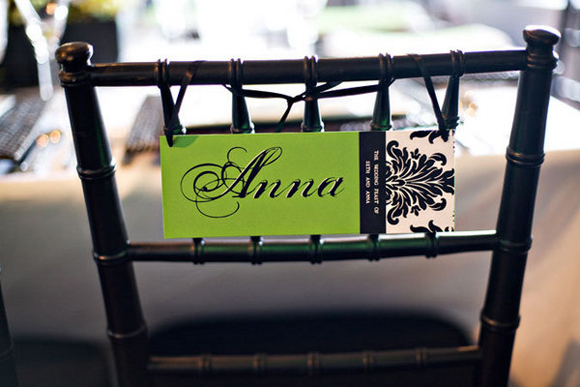
Alexan Events

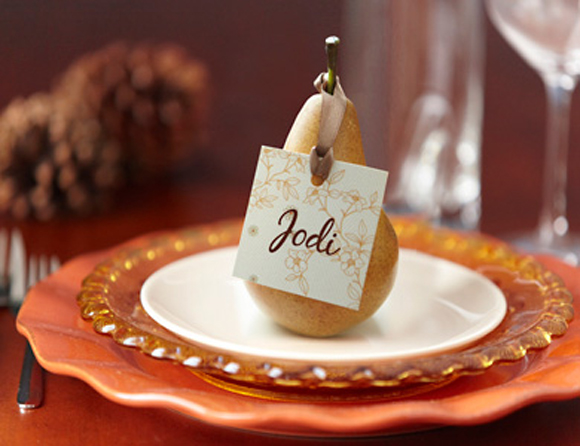
Ann Hamilton Photography

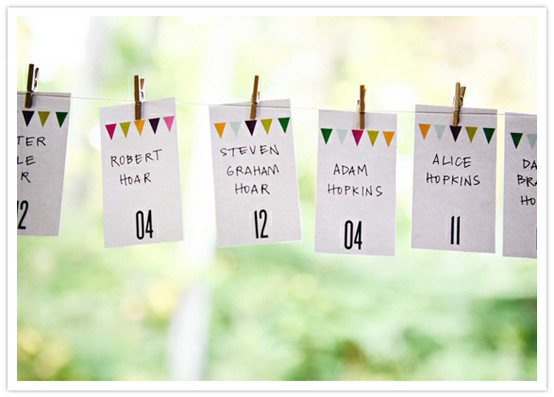
Homemade Simple

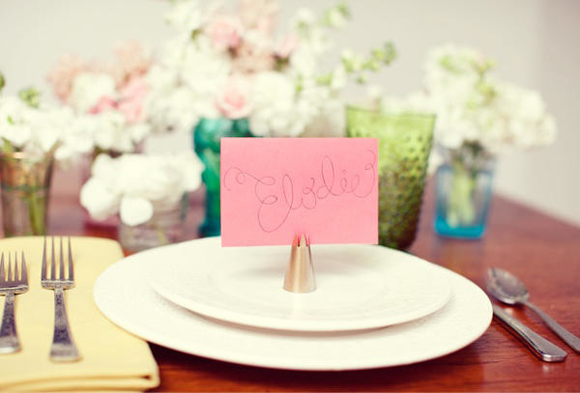
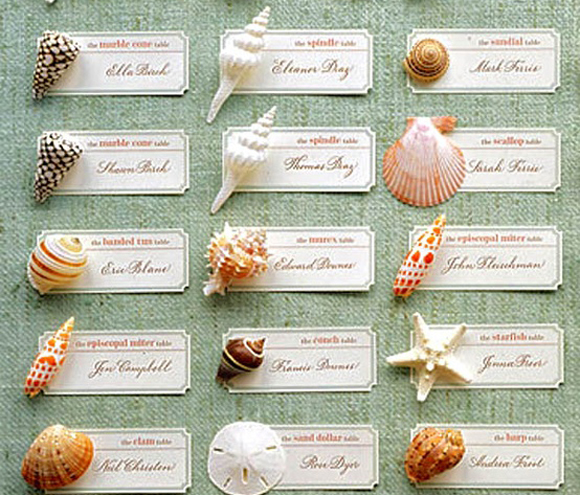
And now that I’ve put you in your place, let me explain escort cards. Escort cards identify the table at which you’ll be sitting. The people frolic into your reception, all giddy and stoked about the glass you just broke and the mazels they just yelled. Then they pass a table with beautifully displayed cards or other items that say their names and table numbers. Then — this part is important — they pick up the card, read it, and walk away, taking it with them. Keyword: Walk away.

The card escorts them to their table. It’s almost as if the card is their friend and whispers in their ear, “Pssst! You! Yes, you! You are sitting at Table 6. It’s near the open bar. Score!”

And that’s how you remember escort cards: they escort you to your table.

Evoke Photography

Martha Stewart Weddings

Christa Kimble Photography

Some weddings may not assign any tables or seats to anyone. Free for all. Grab a seat at any table you like. These weddings will not have escort cards or place cards.

Most weddings will assign you a table. You’ll pick up your escort card, find your table, and choose a seat there.

The most formal weddings will assign you a table and a place card. After you find your table listed on your escort card, you’ll then find your place at the table that’s been preselected.

So next time you’re at a wedding, flex your knowledge and tell your friends, “Let’s go find our escort cards to see what table we’re sitting at!”

Except… your grammar-correcting friend is going to correct you, the wedding term-correcting friend, and say, “No. Let’s go find our escort card to see at which table we’ll be sitting.”

The Sad Tale of a Tuxedo Jacket

Husband Yenta’s Tuxedo
May 25, 2008 – May 25, 2008
Loyal Fancy Suit and Trusted Wedding Costume
RIP

That’s right. Let’s pour a little out for my husband’s wedding tuxedo, which we recently discovered had passed away, most likely, on our wedding night. One wear – and an important one! – but such a short life in Husband Yenta’s side of the closet.

A few months before our wedding, he purchased his Ralph Lauren (ooo! Fancy!) tuxedo from the tux shop that also outfitted the rentals for the groomsmen. Because he wishes he lived in the world of The Great Gatsby, he wanted to own a tuxedo and to wear it to future formal events. Trouble is, we’re not living out our years at speakeasies and garden parties, so Ralph the Tux wasn’t seeing the light of day.

Finally, four years after our wedding, we would have two formal weddings to attend, giving reason for Husband Yenta to unearth Ralph from the avalanche of work polos and khakis to try on for the upcoming nuptials of our good friends and his sister, events that were happening two weeks apart.

The biggest concern was the elephant in the room: would Ralph still glide right on like butta the way it did on our wedding day or had four years of marital bliss also brought on marital bulge?

Well, friends, you’ll have to stay in suspense because the truth is, we don’t know.

(this is probably a good thing).

(except it’s not because there’s more to this story).

When Husband Yenta brought Ralph into the light of our bedroom, he noticed that the jacket did not match the pants. The pants were labeled as Ralph as they should, but the jacket was a random, generic name and was accompanied by [gasp!] a bar code!

It’s a little tricky to replay the series of events that took place four years ago after coming off the high of getting married and a perfect night, but we, Mr. and Mrs. Sherlock Holmes, deduced that upon the scurry of gathering up our items at the end of the night, Husband Yenta’s purchased Ralph Lauren tuxedo jacket got scooped up and piled up with the rentals that the groomsmen were returning the next day. Do not worry, dear ones. The Ralph Lauren tuxedo pants remained on his person.

After a hot and steamy Horah, my dashing groom probably removed his jacket, draped it over a chair, and, never to be worn again, would go back to the rental store from which it was purchased, and live among the coming and going jackets of a lesser caliber. And what my husband took home? One of the groomsmen’s assigned weekend jacket.

Apparently, the tux shop counted units and paid no attention to the labels on the inside of the returned tuxedos. “One, two, three, four? Yup. Got ’em! Thanks for your business! Ta ta!”

So now the lower half of the Ralph Lauren tuxedo has been orphaned without a buddy. The tuxedo shop has changed its entire scanning system since our wedding four years ago – we checked – and the Ralph is long gone. Once worn. Never forgotten.

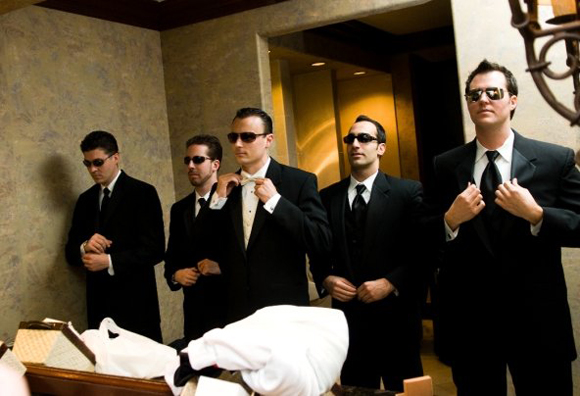
The moral of this sad tale that details the demise of an otherwise perfect penguin suit? At the end of your wedding reception, please do make sure your husband leaves with his jacket. Make sure that the groomsmen all leave with theirs. Menswear isn’t exactly too exciting to the naked eye, and it’s too easy for them to be mistaken for similar versions.

As for the two weddings we will be enjoying in the next two weeks? Well, it’s just too soon to replace the fallen formalwear. Blame it on sentimentality. Blame it on the promise of a diet (did you know marital bliss = culinary bliss?). Husband Yenta will be leaving Ralph behind and joining the ranks of the renters.