Daniel Sroka is the artist and owner of Modern Ketubah. He creates modern fine art wedding ketubahs from his abstract photographs of flowers and leaves for interfaith, Jewish, and multi-cultural couples. The first ketubah he ever made was for his own wedding. He and his then-fiance, Cara, wanted to make sure they loved the artwork to proudly hang it in their home, and they also wanted to be sure that the text and symbolism was meaningful, especially as an interfaith couple. They decided that his fine art photography would be the ideal style to express their marriage, as many other ketubahs they saw while shopping were adorned with Jewish symbols, and did not match their taste or represent them equally. Since then, Daniel has successfully built a ketubah business that honors individual style and spirituality.
Interfaith weddings can be the most beautiful of wedding ceremonies. Of course, being in an interfaith marriage myself, I may be biased! But when interfaith weddings combine the traditions and practices of both the bride and groom, I find that they become something special, transcending rote ceremony and becoming a uniquely personal celebration.
The way an interfaith ceremony gets created is the key to its beauty. Couples who are from the same religion can pretty much take their ceremony for granted. They can visit their priest or rabbi, get the template, make a few tweets, and know they’ll have a 100% legit ceremony. Interfaith couples, on the other hand, don’t have this luxury. They have to creatively blend together the different parts of their traditions to craft a working ceremony.
The challenge of creating a ceremony often makes interfaith couples nervous and full of questions. How do you do it? How do you make it feel “real” enough? Will any of the relatives feel left out? But even though these questions can be nerve-wracking, they are the foundation of what makes an interfaith ceremony so special. Because interfaith couples can’t just take an off-the-shelf ceremony and call it a day, they need to think through every aspect of their wedding, considering every detail. This, I believe, results in a very meaningful and powerful ceremony.

Artist Daniel Sroka and his bride with their interfaith ketubah he created.
In order to combine two different wedding ceremonies, interfaith couples have to review all of the practices within their religions’ ceremonies, and decide what to keep, what to change, and what to leave out. To do this, they first need to help each other learn, teaching each other about their religion’s traditions, symbols, and ideas about marriage. As my wife and I planned our own ceremony, we didn’t just learn about each other’s religion – we rediscovered our own, often surprising ourselves with what really mattered to us and what didn’t. We then went through each wedding tradition, discussed it, and decided if we wanted to include it in our ceremony, and how. Each part of our wedding was therefore a conscious choice. Each part of our wedding was born out of a deep discussion, and reflected a shared value.
The creation of the ceremony helped teach us how to discuss our differences, and find our similarities. Explaining the ceremony to our families helped us better understand our decisions and values. Even the experience of being a part of this blended, shared ceremony helped bring our families closer together. So while creating an interfaith wedding ceremony can take a lot of thought and planning, I believe it is worth it because your wedding becomes a celebration that truly represents who you are.

Left: The Srokas' ketubah and unity candle. Right: One of Sroka's ketubahs called African Lily


 Another “Tales from the Veil” story is brought to us by Rachel Kitt who is the Executive Assistant at the Jewish Federation of San Diego County. She loves to run competitively and for pleasure, bake gluten-free sweets, and hang out with her hubby, a San Diego attorney. After eloping to the island of Oahu in December of 2007, Rachel finds herself looking back on her Jewish destination wedding adventure and laughing out loud. Her story will show you how any bride can take wedding disasters and turn them into wedded bliss. Lemons into lemonade. Grapes into Manischewitz. We’ll be hearing more from Rachel as a regular contributor to The Wedding Yentas.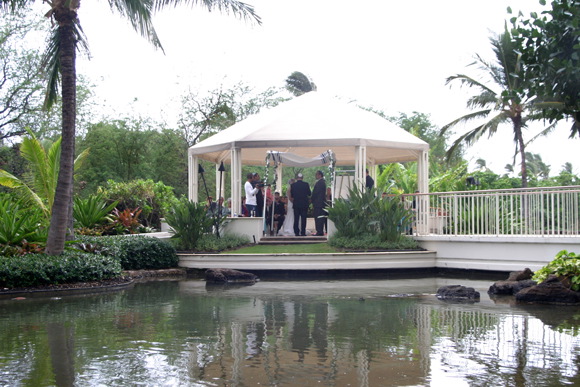
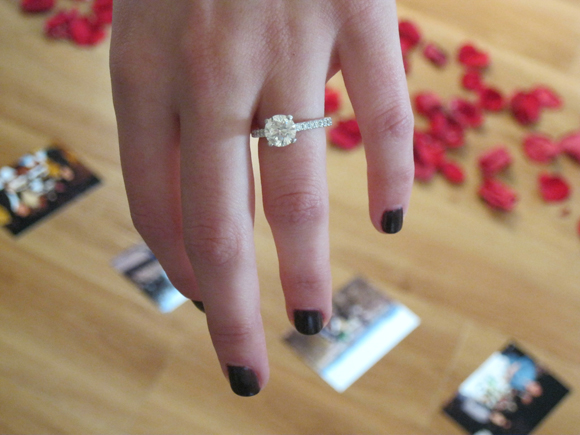
 Today’s Tales From The Veil is a fun proposal from Jordan to Alison! Originally from Chicago, Alison relocated to Los Angeles after years in a long distance relationship with Jordan. They met through a mutual friend, Jordan’s high school pal and Alison’s sorority sister. The couple enjoys going to new restaurants, traveling around the world (recent favorites include Argentina and Italy!), and getting together with friends. Alison and Jordan will have a Jewish wedding and have just begun the planning process.