Wedding Dress Shopping: A Fruity Approach

From-The-Expert

It’s so exciting to have an expert in the house! When it comes to dresses, Mill Crest Vintage knows their stuff! Personally, I’ve always loved antiques and historical items. I may not be a mathematician (when I hear “pi” I think pumpkin and apple), but I do know this: vintage styles + wedding = gorgeous! Today, Mill Crest Vintage is on board to tell us all about which kinds of dresses should go on various body types. Paula Cooperman, owner of Mill Crest Vintage, has spent three decades hand selecting each piece to add to her amazing collection of vintage bridal wear for both the traditional and non traditional bride, so she really knows about the potpourri of styles out there — from vintage to new — that do a body good! She has an amazing eye for detail and a great passion for finding what makes a woman feel the most beautiful on her wedding day. Offering personal and private bridal consultations in her Lambertville, New Jersey bridal salon, Paula has had the opportunity to work with hundreds of brides, gaining both experience and expertise in what goes into selecting a vintage wedding dresses and vintage bridesmaid dresses.
So the big day is almost here and you are now on the hunt for your wedding dress. You’ve scoured the magazines, surfed the web, and perhaps even taken pen to paper with your own designs in mind. Still, you have yet to find the dress that balances your (since you were 12 years old with a towel on your head running around the house singing “Here Comes The Bride”) dress of your dreams expectations, with the reality of your figure. While some very lucky gals out there can truly wear just about anything, the other 99% of us didn’t quite get the luck of the draw. Truth be told, it is not the size that matters (insert joke here) but instead, the shape. Yes lovelies, no matter what the scale says, figuring out one’s shape is much more important than one’s actual size. I hear ya! It’s about time someone finally focused on something other than the scale.

Seriously though, there is a good reason for all of this “figure out your figure” talk. The idea is to create the illusion of balance between the shoulder and the hip. Truthfully, this should be the ultimate goal for any woman when considering any dress. By determining one’s shape, a woman can determine which style of dress will balance out her figure best.

Here’s what we’re analyzing: pears, apples and squashes (yes, evidently squash is a fruit. Who knew?)

Ok, doll, time to get in front of a mirror and give yourself a good once over. Ask yourself: Am I shaped more like a pear (wider at the bottom than on the top)? How about an apple shape (wider in the middle than on top or bottom)? Perhaps I am shaped more like a squash (hourglass shaped)? Determining which fruit you most resemble will be the biggest and most important step in choosing the perfect dress.
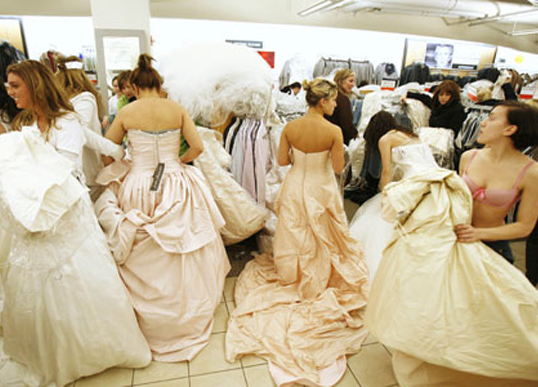
For you pear shaped gals, stick with A-line dresses, as well as, halter style dresses. A-line dresses look great on the pear shaped figure because the A-line dress is narrow at the top and flares gently at the base thus, drawing attention to the upper body, shoulders, and neck while disguising the wider hips and thighs. The halter top style dresses look great on a pear shaped body, too, especially because the desire is to flatter the bust and draw attention away from the problem area (the wider hip). Choose a halter style dress that nips in at the waist, and flares out into a wider skirt. Dresses with thin straps or one-asymmetrical shoulder also look great on the pear shaped figure. This allows the dress to drape over the body in such a way that the shoulder line and hip become more symmetrical with one another. Using detail at the shoulders and/or at the bust line helps to further balance the hip-to-shoulder ratio, giving the illusion of a minimized hip and a more hourglass shape.

For all the pears out there: There are also a few what-not-to-do recommendations. Considering the two styles of dresses recommended, pear shaped women should still avoid busy patterns and embellishments throughout the entire dress and instead opt for embellishments only in the bodice. Beads, ribbons, ruffles, and other decorations on the bust of a form fitting bodice should be chosen over embellishments in the skirt. Avoid tops that have narrow v-necks, heavily-gathered necklines, dolman sleeves and raglan sleeves, which can all reduce the width of your shoulders.

Ok apples, you’re up! For our yummy apple figured gals, empire waistlines are highly recommended. An empire dress in the right material works well to elongate the body, drawing attention away from the midsection, while still managing to show off the good curves. This style narrows at the top and flares slightly as it cascades toward the bottom, which is why it is flattering for apple figures. Choose a material like cotton or cotton blends, which will skim the body’s silhouette, and go for monochromatic color schemes. The illusion of the empire waist line enhances the curves of the bust and hip in such a way that balance is achieved, while the proper draping and the monochromatic color scheme offer a streamlined effect.

As we discussed, the benefit of an empire style dress for apple shaped figures is that it camouflages the midsection offering a slimming effect. However, there are a few things to avoid, such as ruffled shoulders or shoulders with padding. Do not wear dresses that feature a lot of busy detail especially near the waist, like ruffles, ruching, or other embellishments. This calls attention to the midsection, which is the area apple shapes usually try to minimize focus. Also, avoid any rounded flower corsages and instead opt for a corsage with cascading effects.

Finally we have arrived at our squashed shaped ladies. Apologies for referring to this sort of shape as a squash, but it is truly the only hourglass shaped fruit we could find. Hey, squash could have been easily swapped for gourd. But no woman I know would like to be referred to as a gourd. Moving on… As you may have guessed, women with ample bosoms and hips to match are considered hourglass shaped, like a squash. For this figure type, we recommend going with an A-line dress or a wrap dress, as long as the fabric drapes over the curves of the body without cinching or hugging. The idea is not exactly to reduce size, but instead to enhance the curves and achieve overall balance. These two styles of dress work best for this figure type because both of them cinch at the waist, while revealing the already balanced ratio between bust and hip. In other words, these two styles of dress complement the curves of the curvy hourglass shaped woman. For more full figured hourglass shaped gals, we also recommend V-cut necklines and some sleeve, even if only capped, to conceal any spill over from the bust.

Some don’ts for our beautiful squashes include dresses with a straight style and sleeveless dresses. Also, as some of us know, larger arms sometimes accompany a larger bust-line. Adornments and embellishments are fine, but avoid any at the arms, because too much “bling” at the arm can add width and throw off the balance of the body. On a side note, please be sure to wear a proper-fitting plus-size bra that gives the breasts optimal support when wearing any style.

Follow these guidelines and your Jewish wedding will star a beautiful bride in the most perfect dress!

So there it is in nutshell (wait… nuts?). Sorry. There it is in a fruit bowl: The fruity approach to wedding dress shopping.

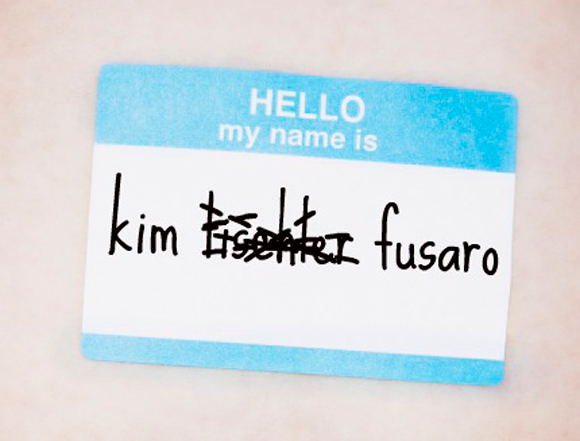
Your Jewish Wedding Is Over! Now What? Oh Yeah, Changing Your Name

All of you spring and summer brides are now good and married, so your next step is to make it official. Well, after you make it Facebook-official, of course.

Making it official means dealing with the government. Shudder. DMV… Social Security… You’re just so excited to deal with these fine institutions, aren’t you? It’s exactly how you want to spend your lunch break, right? Eye roll.

If only your name could magically change as soon as the first “mazel tov!” is cheered if that’s on your agendas (not everyone changes their name, and that’s fine!). Interacting with the cast of characters in this name-change process may sound tedious and even a bit overwhelming.

But really, it’s not that bad if you just break down all the steps. Yes, steps. Unfortunately, going to the Edit box and typing it in on your Facebook profile doesn’t make it a done-deal across the board of all your other important credentials (what?! Facebook doesn’t hold the reigns of official information?!). But still, a lot of women get overwhelmed with the idea of going through the name change. If you’re planning on taking on your new spouse’s last name, just know that it’s not so difficult after all, and The Wedding Yentas makes it easy for you with a how-to, step-by-step name change guide!

You can always access this helpful tool on the Planning Tools tab of the web site. But, in case you haven’t seen it, here it is in blog form:

Dealing with bureaucratic agencies to change your name after the wedding sounds about as fun as shoving bamboo shoots up your finger nails. And while it’s not exactly as pleasurable as inhaling a hot fudge sundae, it’s really not as difficult as you may think.

Here we’ll walk you through the steps of what you need to go from a Miss to a Mrs.

1. Order at least 4 copies of your marriage certificate from the county clerk’s office.

2. Download the form from the Social Security office and fill out the form before you go to the office in person. Bring the completed form, your identification, and an original copy of your marriage certificate to the Social Security office near you.

3. Next you’ll change your name on your driver license. Another official copy of your marriage certificate should help you in this process when you arrive at the DMV. You’ll also need to bring a form of identification like your driver license, passport, or birth certificate. Sometimes, certain DMVs in certain states also require you bring your new Social Security card, which means you may have to wait until it arrives. Check with your local DMV first. Also, make an appointment in advance if your DMV offers this convenient feature!

4. Don’t forget to change your name on your credit cards, insurance companies, your employer, banks, 401k and retirement plans, doctors, frequent flyer memberships, utilities companies (gas, phone, electricity, garbage, HOA, etc.). Usually, a simple phone call will do the trick or a quick log-in to their online portals.

5. Go buy new monogrammed towels to celebrate! Mazel tov!

How To Write Your Own Ketubah Text For Your Jewish Wedding

From-The-Expert
By Anna Abramzon of Anna Abramzon Studio

Ketubah text has been a hot topic lately, with the custom of a ketubah (or a decorative marital contract) becoming more and more popular among couples from all different backgrounds and faiths. A good way to think about your ketubah is as a “marriage” between visual art and written word. So, you found the perfect art that speaks to you, but what next? If you are getting married with an Orthodox or Conservative rabbi then the choice is easy, at least for the Hebrew portion of your ketubah — there is a standard Orthodox Aramaic text and what is known as the Conservative text with Lieberman Clause. If you have a rabbi from one of the more liberal movements then you have more decisions to make. Either way, most rabbis don’t mind if you pair the Hebrew or Aramaic with an English text of your choice, especially because the Orthodox and Conservative texts are pretty cut and dry. Ketubah websites and shops usually have a variety of texts for you to choose from, but what if none of them fully express what you want to say to each other? After all, it’s a very personal conversation between you and your fiancé!

Here are some tips for writing your own ketubah text:

The Basics:

A ketubah is a contract, so there is some information that it traditionally includes:

The date of the week of the wedding — if you are having the ceremony on a Saturday before sunset, some rabbis prefer that you list your wedding as Sunday so you are not getting married on Shabbat. This is something to check with your officiant.

The English date of the wedding

The Hebrew date of the wedding: remember, Hebrew days start at sunset, so if your chuppah is after sunset then you should list the next day’s Hebrew date. Here is a great site that will convert the date for you.

The location of the wedding: Definitely the city and state, some rabbis also like to add the country.

Your names and your parents’ names: traditionally the names are written in this form: “Jennifer daughter of Jacob and Elizabeth/Sam son of Michael and Rachel.” Of course whether or not you want to include the parents’ names is ultimately a decision for you and your rabbi. Most Orthodox rabbis prefer to just have the fathers’ names, while Conservative rabbis are often times more open to including both parents’ names.

A sample first paragraph of a ketubah text:

On the _________ day of the week, the _________ day of the month of _____________, corresponding to the __________ day of the month of ______________ in the year _________________, here in __________, ____________, the bride ________________ daughter of ____________ and ____________, and the groom ______________ son of _______________ and _____________, come together before family and friends to affirm their commitment to one another as partners in marriage.

Now the fun part:

Think of ketubah text as vows you are making to each other. A good way to get started is to brainstorm your values as a couple. Some good starting points: respect, kindness, support, love, faith, nurture. Do you plan to have kids? You can include some values for raising children, such as “we will pass on our values to our children”.

Don’t be afraid to get personal. Want your partner to bring you a glass of water before bed every night? Here’s your chance to get it in writing!

It’s OK to be funny. Some amazing clients of mine wrote a truly unique ketubah text that included that the bride “always gets a maid.” and “In return the (groom) will always have a microwave (lest he find himself stirring his oatmeal over an electric stove like some early-American pioneer);” Another favorite of mine was a couple who were both teachers and ended their text with “I vow to always be your greatest teacher.” Remember, that humor is never bad for a relationship and is as old a Jewish value as the 10 commandments. 😉

You can write the paragraphs as vows you are saying to each other:

“The bride and groom declared to one another: ….”

Or divide them:

“The bride, _______, said to the groom_________: ….”

“And the Groom,__________, promised his bride__________: …”

Be true to your spirituality: If religion is an important part of your lives, then by all means include that in your text. You can draw on biblical passages, or mention conditioning ancient traditions. But if religion is not your thing, then don’t feel pressured to mention it. This is your ketubah and it should reflect who you are as a couple.

Ask for help: If you get stumped, ask for help! Studying others’ ketubah texts can help you get ideas, but your rabbi, officiant, or ketubah artist could also be great resources. Remember, they deal with ketubahs all day long and you can’t beat that kind of experience!

Make it meaningful: When my husband and I were getting married, our rabbi said to us that engagement is like a microcosm of the rest of your lives together. You deal with all the big issues: budget, family, personal taste, etc., at once. Your ketubah text is a great opportunity to start a conversation and set a precedent for how you will work together as a couple.

Don’t forget to proof read: Because wouldn’t you hate to stare at a typo on your wall for the rest of your lives?

Enjoy the journey. Remember, your ketubah will stay with you forever, so let this process be a wonderful memory that accompanies you both into old age. Mazel tov!

AA1

***********************************

Anna Abramzon StudioToday, Anna Abramzon of Anna Abramzon Studio chimes in as a ketubah expert on The Wedding Yentas! They say she started drawing before she started walking, but that may be an exaggeration. As soon as she did start walking though, Anna started traveling, sketchbook in hand. She has lived all over the place and her travels have infused her artwork with color and life. Anna specialize in mixed media, combining collage with gouache, watercolor, pencil and ink. Anna met and married her husband in Jerusalem, Israel, and thought their wedding was a wonderful opportunity to create some love-inspired art, so she painted their ketubah, their invites, their thank you notes, and pretty much everything else that she possibly could for their wedding. Next thing she knew, other people started asking her to create artwork for their weddings. And that’s how Anna became a ketubah artist. She lives in Houston, Texas with her husband and daughter. Shop for your ketubah and keepsake art at Anna Abramzon Studio.

Jewish Wedding Royalty

Ever been told you’re acting like a Jewish American Princess? (But you really DID need to have the new Louis bag!)

One great perk to getting married: It’s OK to be a Jewish princess. In fact, on your wedding day, you’re a real and true queen!

Did you know that on the day of your wedding, the couple is considered royalty? It’s true! Finally, your chance to be Kate Middleton!

So here’s how this breaks down: A Jewish wedding is a sacred event. It’s basically like the couple’s own personal Yom Kippur day; there’s spiritual atonement, forgiveness, and that whole turning-over-a-new-leaf feeling as you start a brand new life. All sins from before are forgiven and since the vows the couple take bind them together, they take on a new life and everything begins fresh and they start over, with all past transgressions null and void. Good deal, right? Just like a new baby, the lovebirds have no track record or file of wrong doings, and they are truly righteous. Because of this, Jewish law actually mandates — MANDATES! — that the couple be treated like royalty. Aw sucks, do we have to? YES!

This royal treatment goes on from three days before the wedding until one week after. A girl could get used to this.

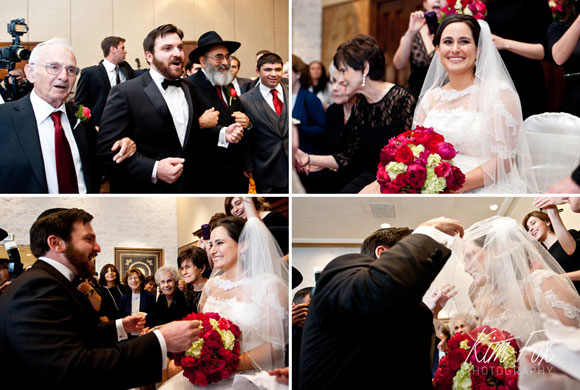
A traditional bride will spend time with the other women of the wedding before the chuppah ceremony. She receives her guests while sitting in her own kind of throne. As they celebrate her and sing to her, she relaxes in comfort in a large and ornate chair. Sometimes it’s even decorated with ribbons and flowers. This is a special way to acknowledge that the bride is the queen and that she is to stand out as such.

Kim Fox Photography

Kim Fox Photography

Meanwhile, in a man cave far, far away that I always picture to be laden with maroon leather-bound books and the smell of dark beer wafting in the air is a groom and his loyal subjects who treat him like a king. They sing and dance and cheer. They might even be reading Torah. They do really fancy, Jewishy things because — on this day, a wedding — everything is sacred.

Later, at the reception, the finest food is served for the couple’s kingdom and the guests entertain and dance for them during merrymaking. It’s spirited. It’s rambunctious. It’s a par-tay! All the guests want to be sure that the newlyweds are having the time of their lives as they are the ones to be treated like royalty.

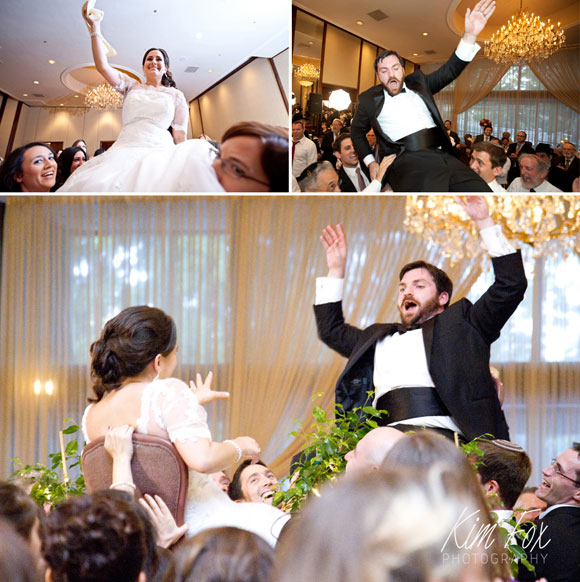
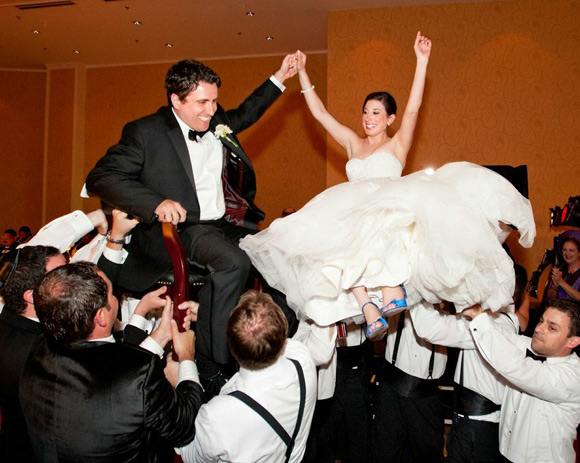
And those famous chairs that the newlyweds go up in? That’s no coinkidink. That’s not the doing of a wedding DJ who also likes skydiving. When the couple goes up in the chairs, their guests are raising joy. Literally. They are saying that the individuals who, moments before, united as one are royalty and no one can reach their level of joy. The guests are thrilled to look up at the faces of truly righteous people. It’s like they are sitting on pedestals made with pogo sticks, going up an down, above the crowd, all to the festive soundtrack of music and cheering.

Kim Fox Photography

Kim Fox Photography

So, Kings and Queens-to-be, you may feel like a slave to your wedding day as you work hard to make it all that you want it to be. But just remember, no matter how traditional or mainstream your Jewish wedding day is, YOU are the beautiful Queen and you must enjoy your reign!

{Real Jewish Weddings} New Orleans, LA

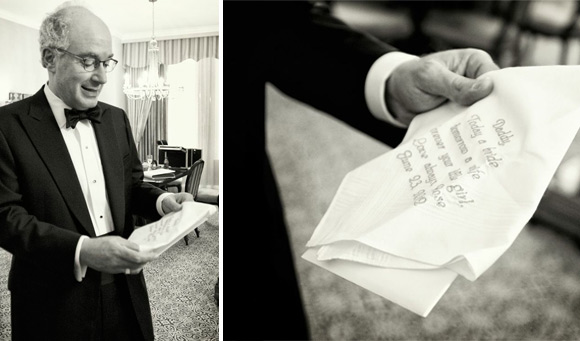
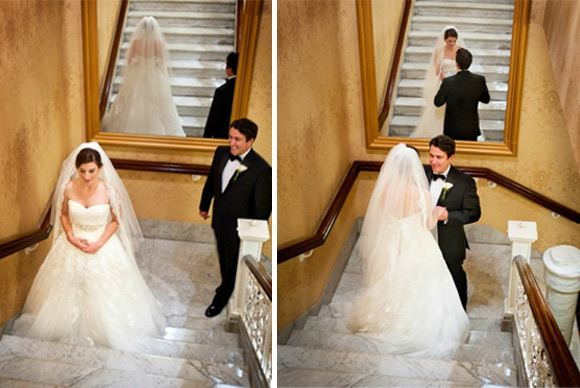
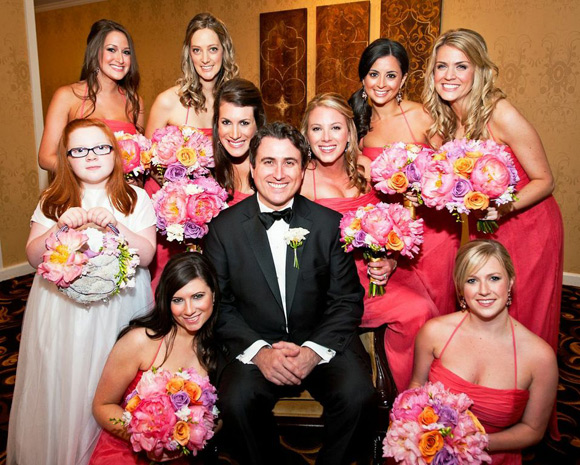
Jeremy and Rose were both students at Tulane Law School in the Spring of 2008 and met while Rose was interviewing for an internship at Jeremy’s law firm and it should be illegal how cute their story is! The first night Rose and Jeremy hung out, they stayed up until 6 a.m. talking. On their second date, Jeremy invited Rose to his apartment to watch a movie. The movie he had rented for them to watch was Across the Universe – not knowing that Rose was (and is) a huge Beatles fan. Because of that date, Rose and Jeremy decided that their first dance as a married couple should be to the song “Across the Universe” and they also chose “I want to Hold Your Hand” as their recessional song at the end of their ceremony.

Rose and Jeremy wanted to have a traditional Conservative Jewish Wedding. Since Rose is born and raised in New Orleans, Jeremy’s mother is originally from New Orleans, and Rose and Jeremy reside in New Orleans, they also wanted to incorporate as many traditional New Orleans wedding elements as possible. To achieve both goals, Rose and Jeremy’s wedding included the following:

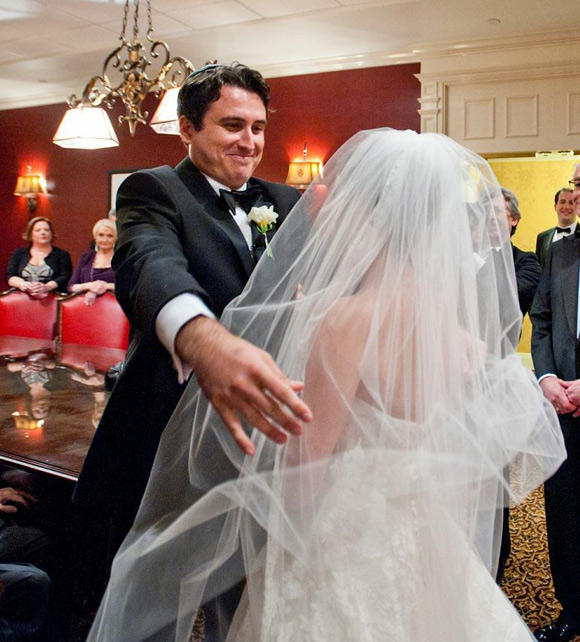
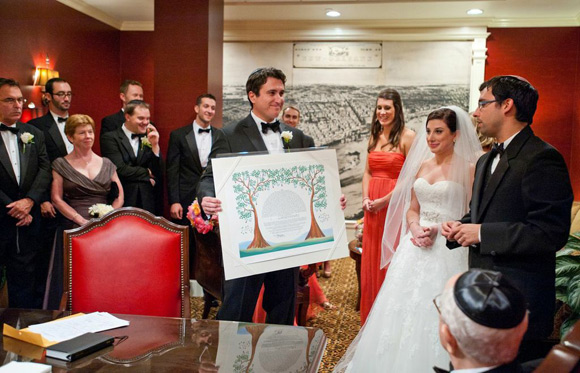
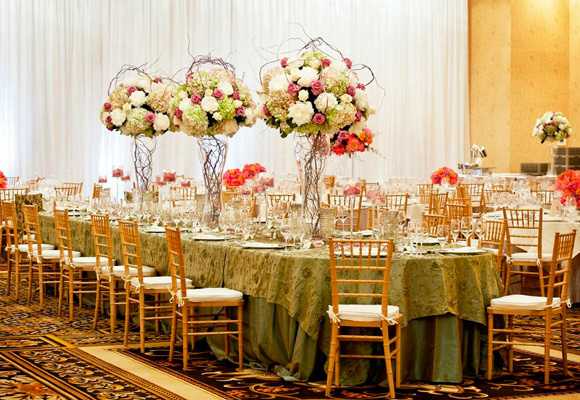
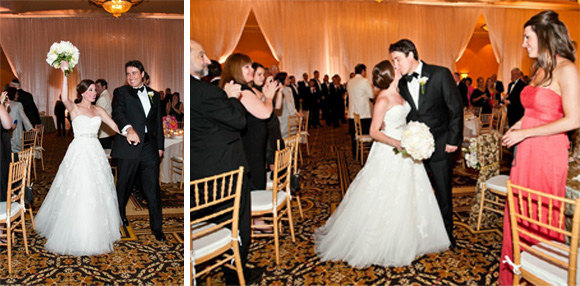
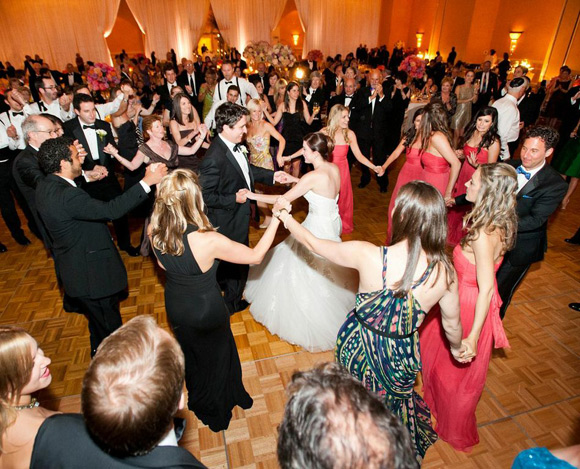
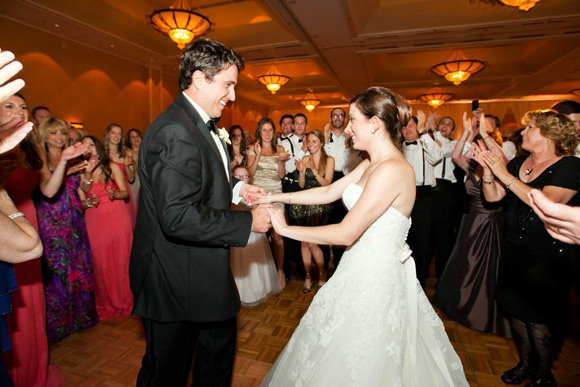
Jewish: Rose and Jeremy chose to get married on Saturday, June 23, the second-longest day of the year. Therefore, the bride and groom walked down the aisle at 9:30 p.m., one hour after sunset (and Shabbos). The wedding ceremony was preceded by a cocktail reception in the beautiful Waldorf-Astoria Ballroom. The cocktail reception began at 8:30 p.m. – a few minutes after sunset. Once the Rabbi arrived, Rose, Jeremy, their immediate family members and the wedding party had the Bedecken and Ketubah signing while the wedding guests enjoyed the cocktail reception. Immediately following the wedding ceremony, the curtains surrounding the Chuppah opened and the wedding guests found their seats for the wedding reception. The newlyweds spent that time in Yichud. Rose’s grandparents said Ha’motzi and then Rose and Jeremy made their entrance to the USC (Rose’s Alma Mater) fight song. The beginning of the reception also had an exciting, acrobatic, and lengthy Hora!

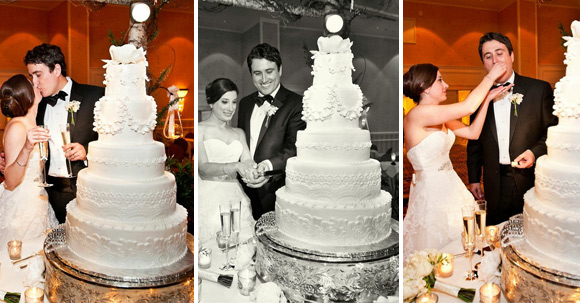
New Orleans: Rose and Jeremy had a groom’s cake, cake pulls in the actual wedding cake, a second line with umbrellas and handkerchiefs, and a “cocktail reception”-style wedding reception.

Sharing the special day with family, including and especially Rose’s three grandparents. Rose’s grandfather, Zeidy, who was 96, sang “Chozzan Kallah Mazel Tov” (a Yiddish wedding song) to the Bride and Groom under the Chuppah at the conclusion of the wedding ceremony (it was a surprise).
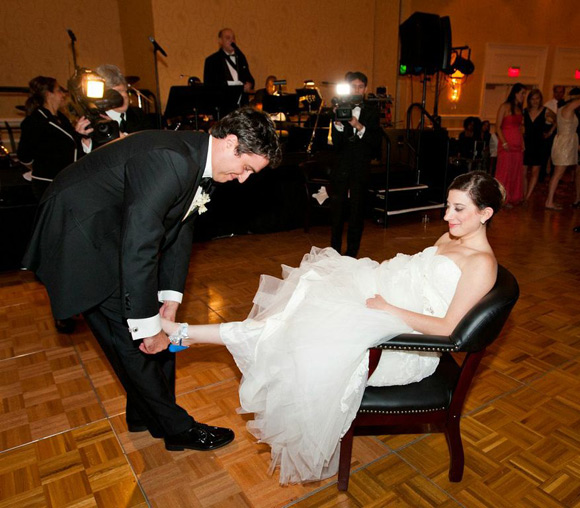
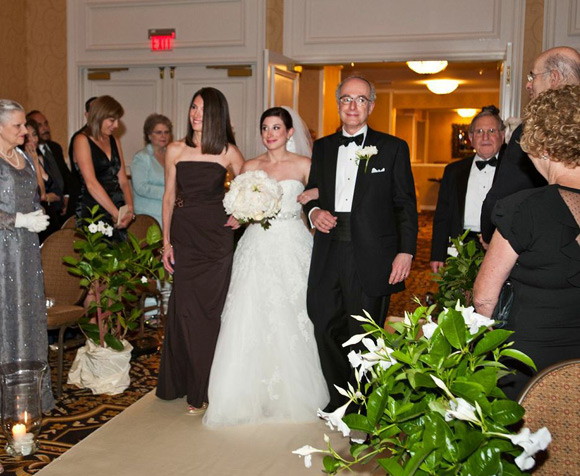
Rose and Jeremy selected special music for their wedding ceremony. Rose’s maternal grandparents walked down the aisle to their song “Always” by Irving Berlin, Zeidy, Rose’s paternal grandfather, who is a Holocaust survivor, walked down the aisle to a Yiddish wedding song “Chosson Kallah Mazal Tov,” the bridesmaids walked down the aisle to “Canon D” by Pachelbel, and Rose walked down the aisle, flanked by her parents, to the song they walked down the aisle to at their wedding, “Sabbath Prayer” from Fiddler on the Roof. As mentioned before, Rose and Jeremy recessed to the Beatles song “I Want to Hold Your Hand.”

Around 2 a.m., after Jeremy and Rose’s exit in a “bubble tunnel” with bubbles blown from mini-wedding cakes, Jeremy and Rose joined at least 20 or so of their wedding guests at the Goldmine Saloon (a late-night bar in the French Quarter) after their wedding reception, and partied with them well into the next morning.

Mazel tov, Rose and Jeremy!

New Orleans Jewish Wedding

RJ2

RJ3

RJ4

RJ5

RJ6

RJ7

RJ8

RJ9

RJ10

RJ11

RJ12

RJ13

RJ15

RJ16

RJ17

RJ18

RJ19

RJ21

RJ22

RJ23

RJ24

RJ26

RJ27

RJ29

RJ30

RJ31

RJ33

RJ34

RJ35

RJ36

RJ38

RJ39

RJ40

Photographer: Oscar Rajo
Band: Deacon John & The Ivories
Ceremony Music: Harry Hardin
Florist: Urban Earth
Cake: Royal Cakery
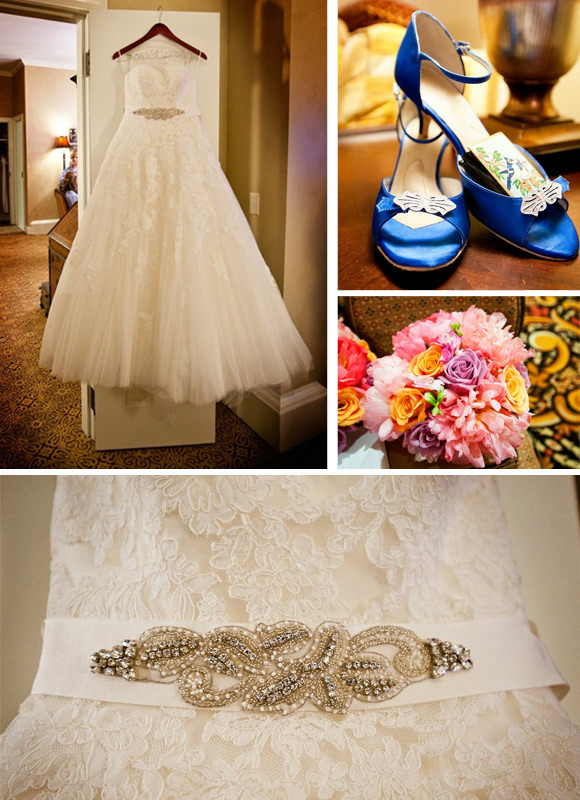
Dress: Pronovias
Bridesmaid Dresses: Amsale
Shoes: Angela Nuran (cobalt)
Officiant: Rabbi Ethan Linden
Invitations/Stationery/Programs: Scriptura
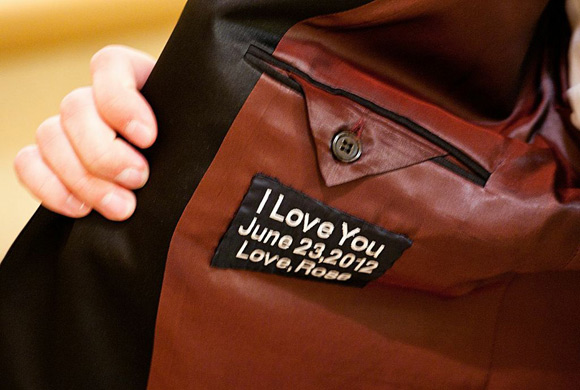
Groom’s Tuxedo: George Bass
Groomsmen’s Tuxedos: Perlis
Ketubah: ketubah.com