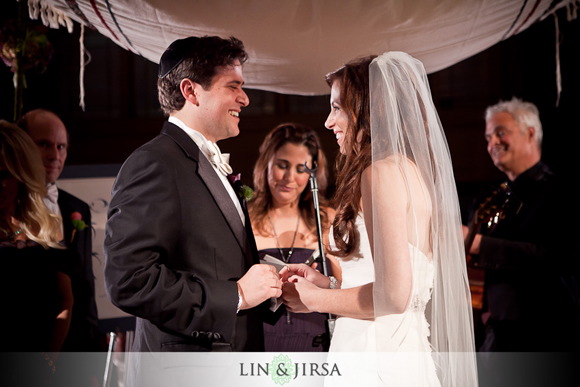
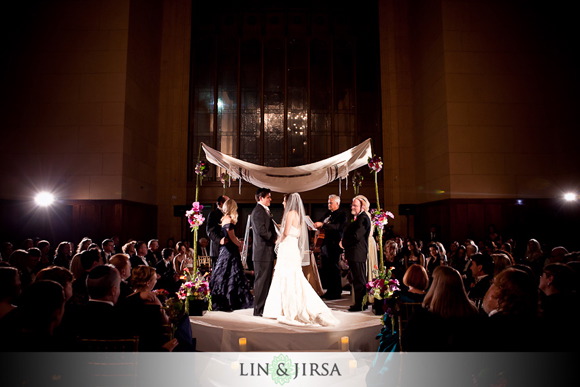
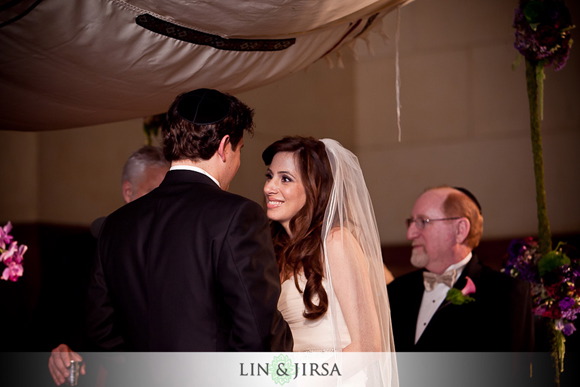
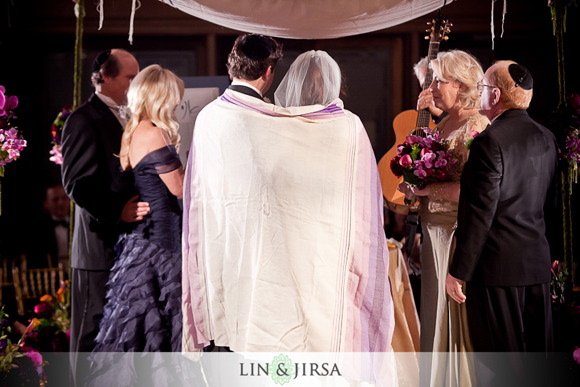
Wedding Veils and All The Details

Let’s talk about veils. To wear one or not to wear one? If you choose to wear a veil, then which kind of veil should you were? There are, like, a zillion styles. So what should you go with? What’s the terminology? Does the veil have to match the dress?

There’s so much to think about for an accessory that’s pretty to look at and serves a cultural purpose. Read on for information… unveiled.

Camo is a No No
If you choose to wear a detailed wedding gown that sparkles with beading or has serious texture like lace, consider wearing a veil that doesn’t clash or hide those elements. What a shame it would be to select your dream dress and then cover it up with a veil that hides jewels or fancy buttons. An elbow-length veil will still serve its purpose but then also not upstage your dress.

Caw! Caw! Wear a Birdcage
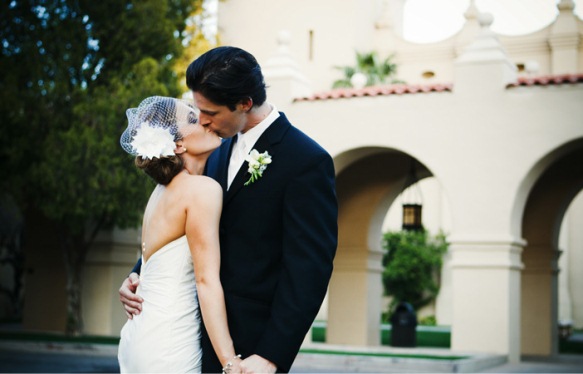
For serious drama or a vintage look, the birdcage veil is a classic. If you want a more traditional veil for your ceremony, you could always model a birdcage piece for photos or the reception. It’s a super-chic look that many brides love, but think they can’t pull off!! Just make sure your dress is in the same category of style. A very full and conservative gown might not mesh (haha, get it?) well with a birdcage veil, so go with a dress that’s sleek or sexy or vintage.

Image courtesy of Holladay Photo

Can’t We All Just Get Along?
Don’t let your dress fight with your veil. Instead, they should complement each other! If your dress has beading or pretty, sparkly doodads on it, then your veil should lean toward the plain side. If your dress provides simple beauty without jewels or lots of lacy additions, then your veil can have elaborate extras. But if you combine both, the veil and the dress will end up in a one-upping competition and you’ll lose the splendor altogether. This goes for your jewelry, too. The more detailed your veil is, the softer and simpler your jewelry must be. All three elements should definitely play well together, and not against each other. There is definitely such thing as too much of a good… bling.

Color Me Bride
Make sure to color coordinate! While you don’t want your dress and veil details to be too matchy-matchy, you definitely have to make sure your colors are! If you are wearing an ivory dress, it would be no bueno to wear a diamond white veil. Many bridal salons will offer you swatch samples to compare and be sure that both items match. There is no wrong color — it’s up to you to decide what works for your style and skin tone — but you definitely want to be sure that the color is consistent for both beauties.

Veil Types
You’d think that a drapey piece of mesh would be a no-brainer shopping experience. Wrong! If you’ve just started shopping for a veil, you’ll start to hear lots of body part-centric lingo that you didn’t know could describe a wedding day accessory. Basically, many veils are described by the body part they reach. There’s shoulder length, elbow length, fingertip length, knee length, and floor length (not a body part, but toe-length just sounds weird). Then, there’s church lingo that describes two other varieties of veils and let’s face it, Hebrew school didn’t prepare you for that kind of information. Chapel length veils extend to the floor, about seven feet from the top/head piece. A cathedral length veil trails anywhere from one to three yards behind the dress. The most formal style of veil is the cathedral length.

Bride, Groom… and Veil Photos?
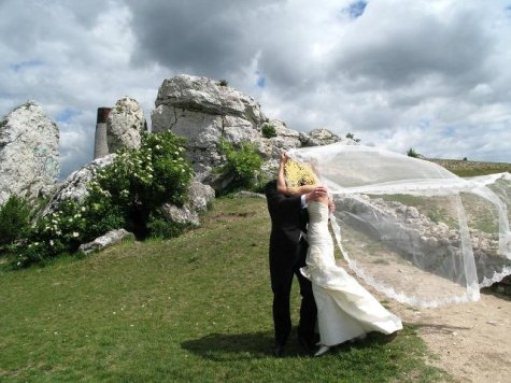
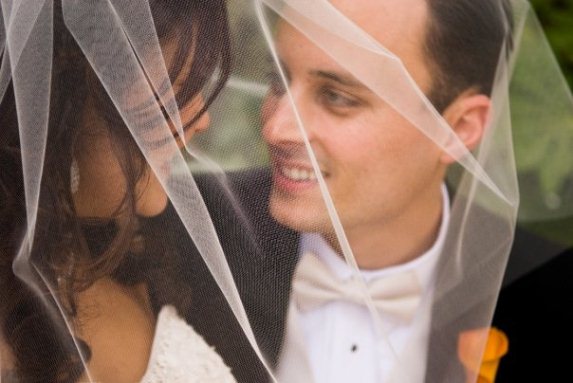
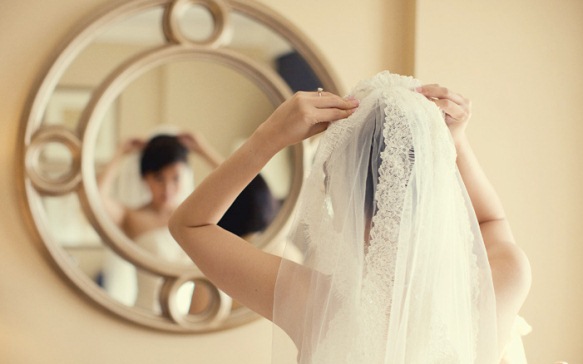
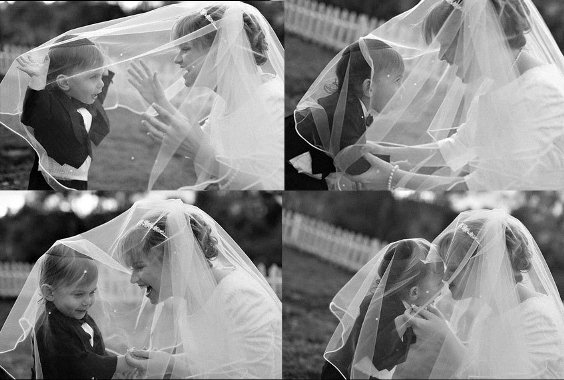
You and your beloved will be taking a day’s worth of photos together. From posed shots to candid snaps, the two of you will get total paparazzi treatment and it’s your big opportunity to be fierce! Your veil can be a character in your photos, too! From romantic to playful, make sure to include your veil in your happy day. You’ll be happy you did… from head to toe. Here are some camera must haves to run by your photographer.

Image courtesy of eight20 photography

Image courtesy of Meghan Aileen Photography

Image courtesy of Jessica Claire

Image courtesy of Jessica Claire

Image courtesy of Brian Dorsey Studios

Image courtesy of Jennifer Bowen Photography

From the Expert: Vintage Wedding Gowns

It’s so exciting to have an expert in the house! Personally, I’ve always loved antiques and historical items. I may not be a mathematician (when I hear “pi” I think pumpkin and apple), but I do know this: vintage styles + wedding = gorgeous! Today, Mill Crest Vintage is on board to help us all out in a Q&A series all about how to shop and wear vintage wedding styles. Paula Cooperman, owner of Mill Crest Vintage, has spent three decades hand selecting each piece to add to her amazing collection of vintage bridal wear for both the traditional and non traditional bride. She has an amazing eye for detail and a great passion for finding what makes a woman feel the most beautiful on her wedding day. Offering personal and private bridal consultations in her Lambertville, NJ bridal salon, Paula has had the opportunity to work with hundreds of brides, gaining both experience and expertise in what goes into selecting a vintage wedding dress.
The Wedding Yentas: First thing’s first. We’ve got to know: What does “vintage” really mean? The term is “vintage” is thrown around a lot, but let’s get technical about it.Mill Crest Vintage: For something to truly be considered vintage, it would have to be made between 1920 and 1980. Anything made prior to the 1920s, such as garments from the Edwardian or Victorian era, is often referred to as antique.

TWY: I’ve never really shopped for anything that wasn’t brand new and it’s overwhelming to stray from what’s familiar. So, what’s the best way to shop for a vintage wedding dress?
MCV: The journey to finding the perfect vintage wedding dress often begins with a clear vision of the look and feel of the wedding day and a little bit of inspiration. Brides considering vintage, typically have an idea of what sort of look they want for their wedding and are looking for the dress to set the tone for the rest of the day. They often look to old movies, magazines and books to find inspiration and taking into consideration their own body type, venue and time of year, the hunt commences for the perfect vintage wedding dress.

TWY: What about measurements? If something is already made, how can it be tailored to a bride’s body?
MCV: This is my favorite question and one that I am asked often. One of the very best things about vintage is that nearly every piece can be altered to achieve a customized fit. We all know that a dress can be made smaller. However, what many don’t realize is that a dress can also be made bigger! A professional seamstress, like the one we have on staff at Mill Crest Vintage, can make the appropriate alterations. To keep the integrity of the dress, we recommend the use of vintage fabrics and whenever possible, use fabric from the dress itself. With the extra fabric, gussets can be added under the arm to allow for additional room in the bust. In some instances, it is necessary to think a bit outside of the box to achieve the desired fit. By changing the cut of style of the back of a dress, the shoulder line or the neckline, additional room can be achieved. The most important thing to remember is that it is always best to work with someone who is familiar with bridal or better yet, someone familiar with vintage textiles.

TWY: When I think about vintage dresses, I think about old and delicate materials that were handmade. Is a vintage dress more fragile? How can a bride let loose, dance, and enjoy her day in a vintage dress without having tsuris that her dress won’t fall apart?
MCV: Fragility really depends upon the age of the dress and the quality of design. Most vintage dresses have stood the “test of time” due to their sturdiness of construction and the quality of the materials used. With that said, there are a few types of materials that are a bit more fragile than others. Lace is the perfect example of a fabric known for its fragility, especially if it is hand lace. To add strength to a dress, we recommend starting with the foundation. Adding a lining can fortify a dress. Having a professional seamstress strengthen the construction by adding some stitching to the seams is also a good idea. The most important thing to remember is to choose the right dress for the venue and allow for a bit of wiggle room in the fit of the dress so the seams do not endure too much stress.

TWY: What kinds of materials would a bride most likely see in a vintage dress?
MCV: What a vintage dress is made of will largely depend upon in what era the dress was created, as nearly every decade carries its own distinction. For instance, dresses from the 20’s are typically done in silk velvets, tape lace (also known as Battenberg lace) and needle lace, while vintage dresses from the 30’s are typically done in organza, organdy, cotton eyelet and liquid silk satins. Dresses from the 50’s tend to be done in silk, organza, lace, tulle and voile. In some cases, dresses from the 50’s have a paper lining and the bodices are layered and boned for added structure.

TWY: How do you complete a vintage ensemble? What kinds of shoes and accessories would a bride wear to finish the look?
MCV: Depending upon what look and feel the bride is trying to achieve, really anything goes. Vintage really does allow for the freedom of self expression. Fabulous head pieces from nearly all eras are available. Lovely clutches, shoes, jewelry and veils are also a great way to accessories and complete the overall look.

TWY: Okay, let’s take this to the next level that some Yentas readers might wonder about. For a bride who’s having a very traditional Jewish wedding, how would you suggest she cover her shoulders?
MCV: For the Jewish bride that wishes to cover her arms for the ceremony, but would like to bunk tradition for her reception, she might consider wearing a fabulous cashmere sweater with beading or a simple shrug during her ceremony that can be shed for the reception. Faux fur wraps and caplets are another wonderful option. For the bride who wishes to have full coverage for the entire affair, sleeves can be added to just about any style of dress.

TWY: Covering the shoulders is one thing. There are plenty of options there. But when you’re wearing a vintage dress, don’t you have fewer options? What kinds of shoulder coverings would look appropriate with a vintage dress?
MCV: The appropriate shoulder covering for any vintage dress will largely depend upon the style and silhouette of the dress itself. For instance, a 60s style sheath style wedding dress would look fabulous with a longer cardigan style lace jacket, while an A-line 50s style vintage wedding dress would pair well with a bolero or cropped cashmere and beaded sweater or faux fur stole.

TWY: Oooo! Cashmere! Yum. So stylistically speaking, is it okay to mix and match vintage with modern pieces?
MCV: Absolutely! Have fun with fashion, even on your wedding day!
TWY: Okay, I’m loving the vintage dress idea. So, if I got to have a do-over and I came to you for my vintage wedding ensemble, tell me what the shopping experience is like when exploring vintage dresses at Mill Crest Vintage?
MCV: Being a bride is truly special and nothing is more important, except for the person she will marry, than choosing the perfect dress for one of the most special days in her life. With that in mind, we offer personalized private bridal consultations on Mondays and Tuesdays, when the boutique is closed to the public and we can focus all of our attention on each individual bride. Each appointment is set for 2-3 hours in our fabulous bridal salon.

Upon setting an appointment, we like get to know our brides a little bit prior to meeting each of them in person. We ask about each bride’s vision for her special day. Style, color and measurements are also discussed, so that we are sure to pull the best selection of dresses from our vast collection, which will best fit the style and flatter the figure. During the consultation, we work closely with each bride, as we narrow down the selection and find “the one”. Shoes, hats and other bridal accessories are also available to complete the ensemble. An appointment is then set up with our professional vintage costume restoration specialist for fittings, when needed.

TWY: Wow. Very thorough. I don’t think most brides get that kind of attention at corporate-y stores and salons. What about alterations? And can you ship anywhere?
MCV: We are proud to have an in house vintage costume restoration specialist who is available for fittings and alterations on Saturday by appointment in our bridal salon. We do ship throughout the US and to Canada, the EU, Australia and Japan, but alterations are only offered in our Lambertville boutique.

TWY: Does Mill Crest Vintage carry shoulder coverings, hair pieces, shoes, jewelry, and handbags?
MCV: Our vintage bridal collection includes a wonderful array of bridal accessories and shoulder coverings from nearly every era to complete the ensemble.

TWY: Wearing things that have belonged to other people can be concerning. When shopping vintage, how does a bride know if the dress and other ensemble pieces are clean and in good condition from its previous life?
MCV: To ensure that we bring only the finest in authentic vintage fashion to our clientele, each individual piece is hand selected and scrutinized with exquisite attention placed on every detail from the cut and fabrication of the item to its overall design. We also take great care in offering a full and accurate description of each piece. An explanation of our rating system is provided on our website and we also are available to answer any questions.

TWY: Since you’re the pro of all things vintage, you’ve got to share! What is your favorite vintage look and era?
MCV: My favorite would have to be the strong, sultry and sexy look of 30’s/40’s. I find that dresses from those eras really celebrate a woman’s curves, while offering an aura of strength and confidence. I think it is all in the cut of the fabric used in both eras, especially the bias cut liquid silk satin and the strength pulled from Victorian influences in the design that brings it all together.

Real Weddings | Los Olivos, CA

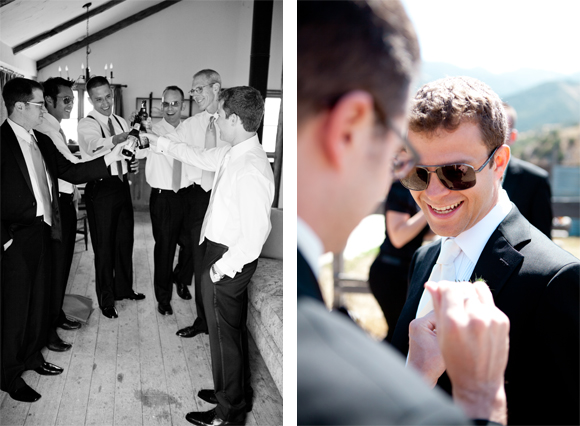
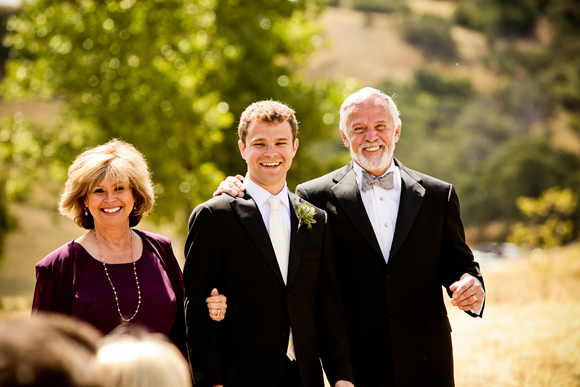
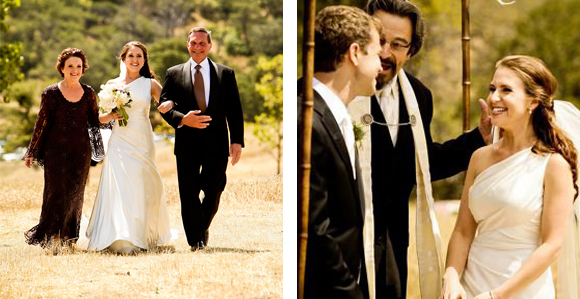
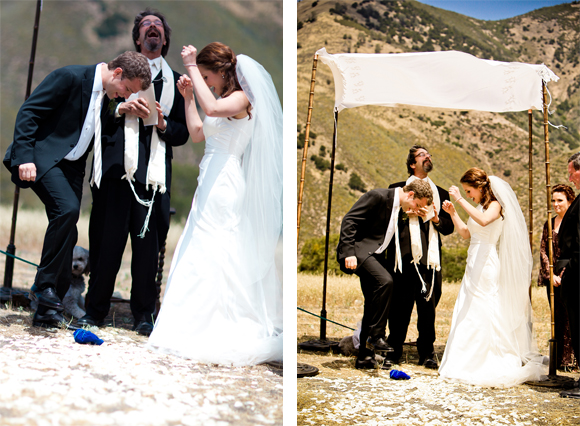
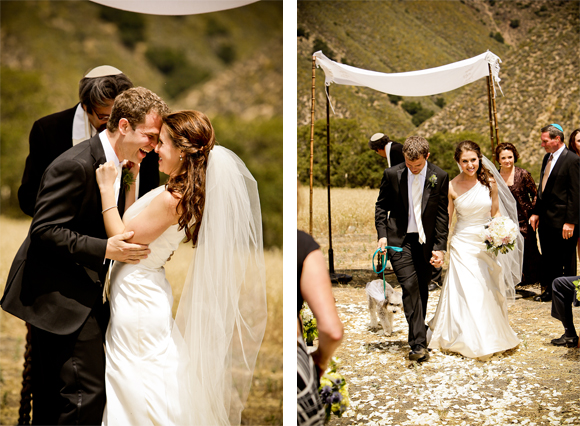
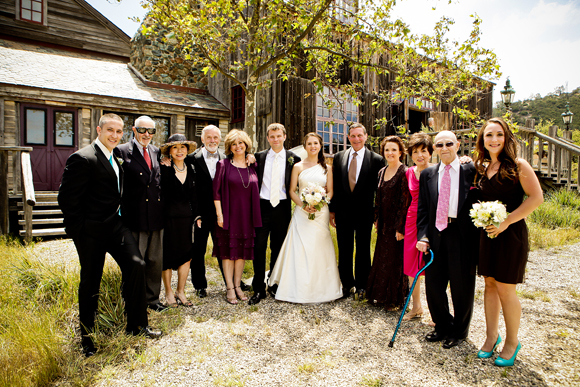
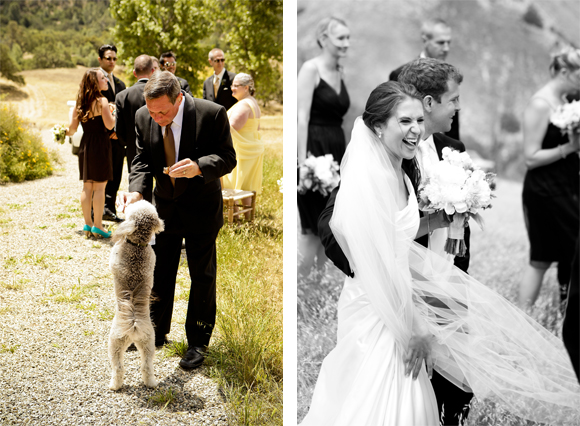
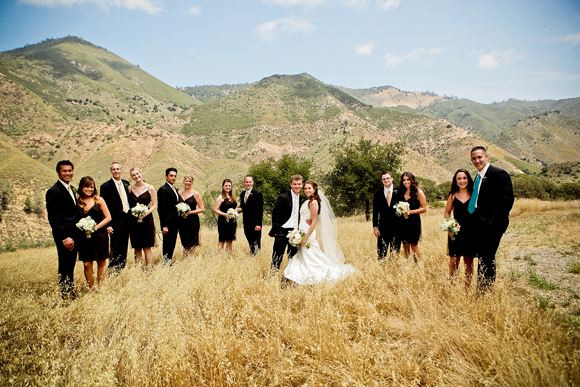
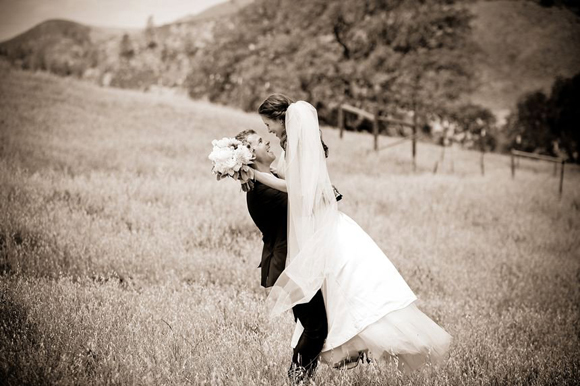
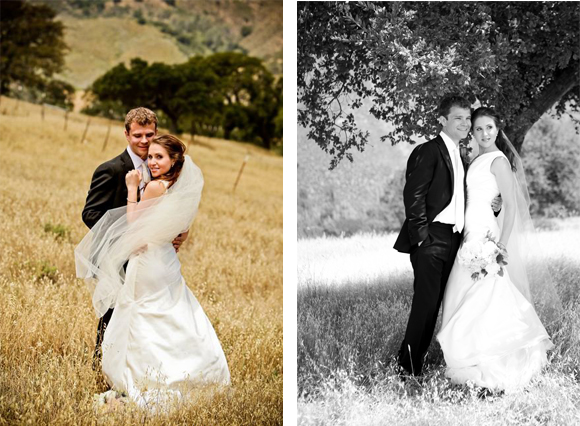
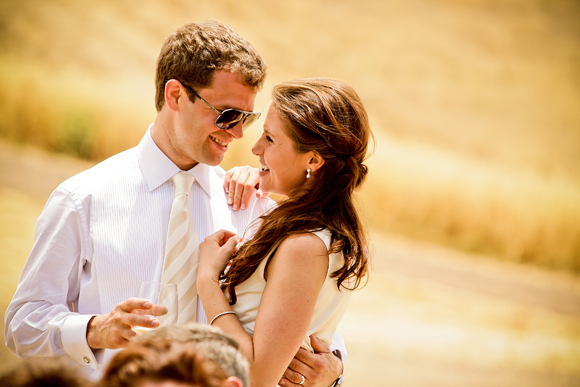
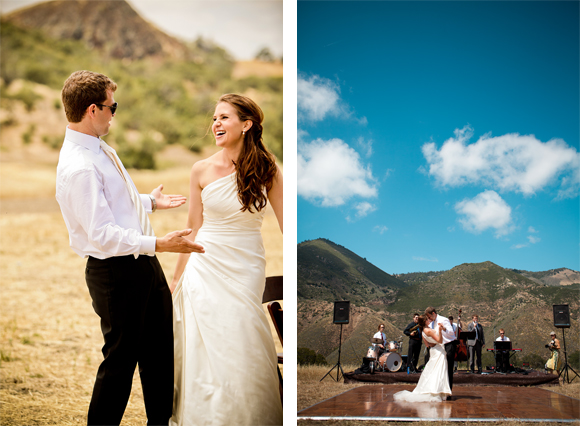
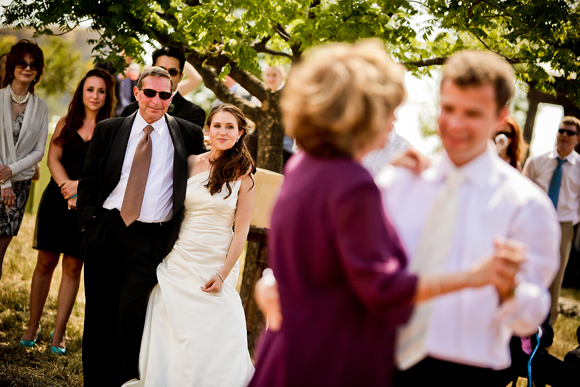
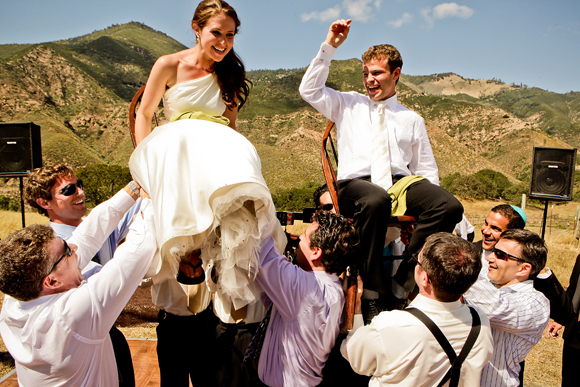
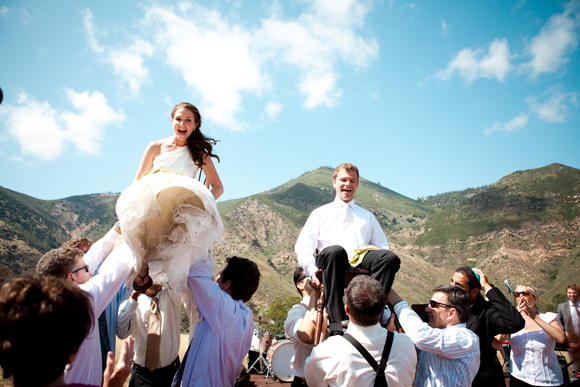
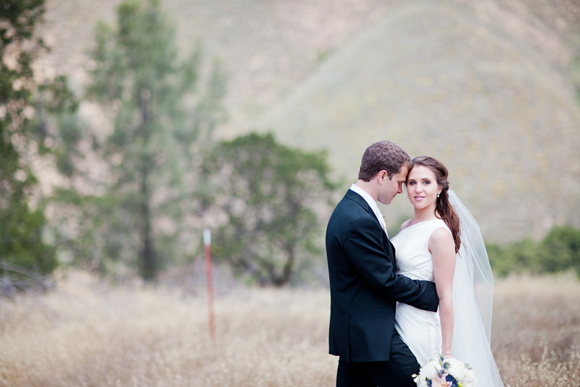
Mike and Mia met through Match.com thanks to both of their mothers, who were tired of hearing how their son and daughter could never find anyone worth dating out and about. Mia had pretty much given up on the whole thing after a bunch of nice dates with great guys that she just didn’t really get excited about. Just by chance, Mia happened to notice an email from Mike. He was funny, clearly intelligent, and just plain interesting so she responded. On their first date, she dropped a piece of raw fish on her face, and Mike broke all her date rules and then got violently ill with swine flu on the drive home. Still, they both turned up for the second date and 9 months later Mia and Mike were engaged.

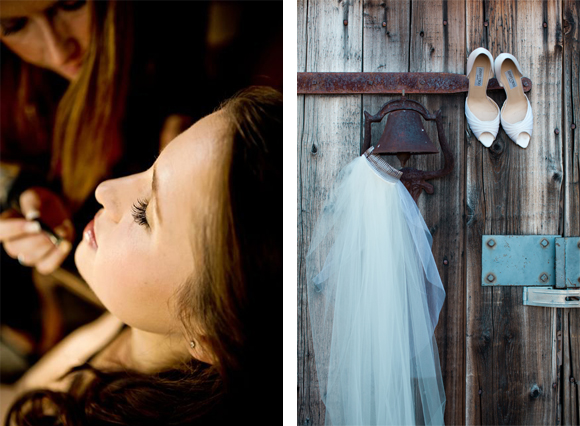
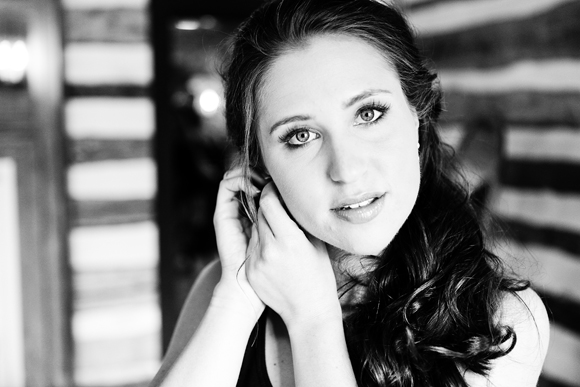
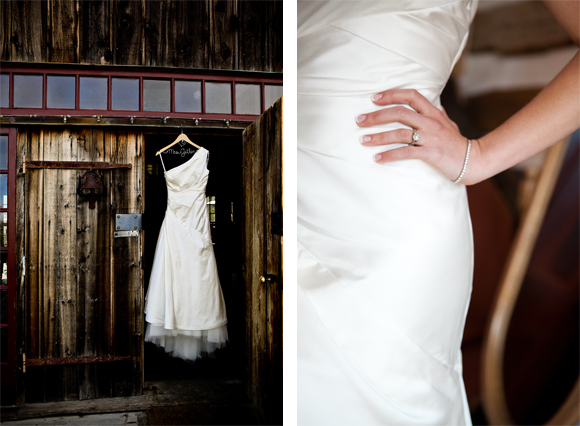
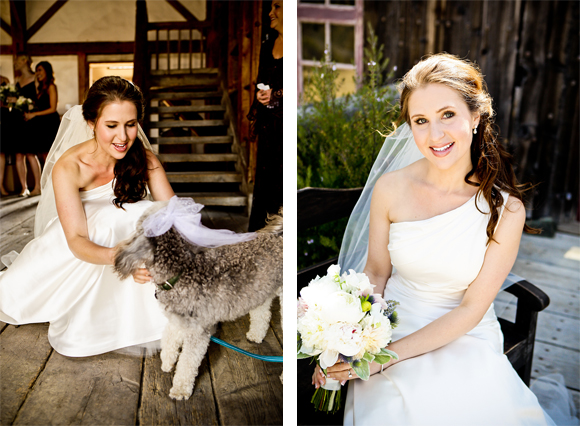
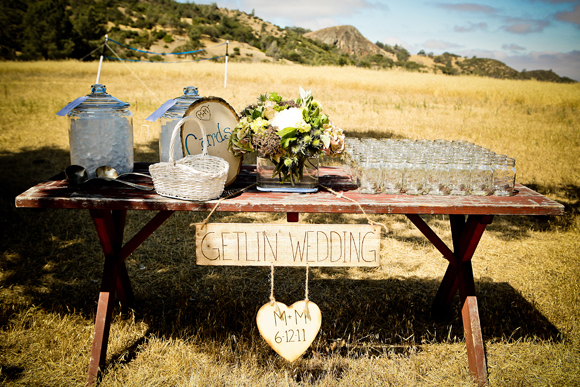
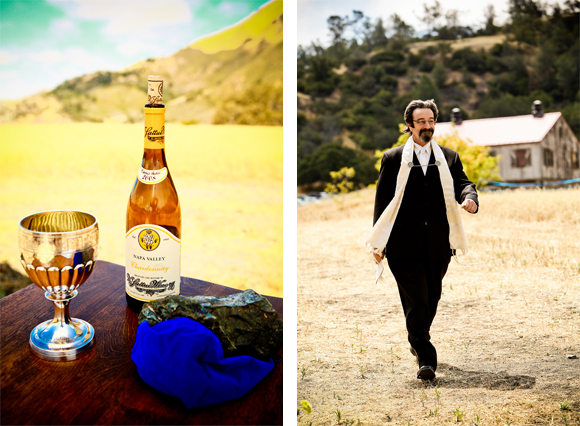
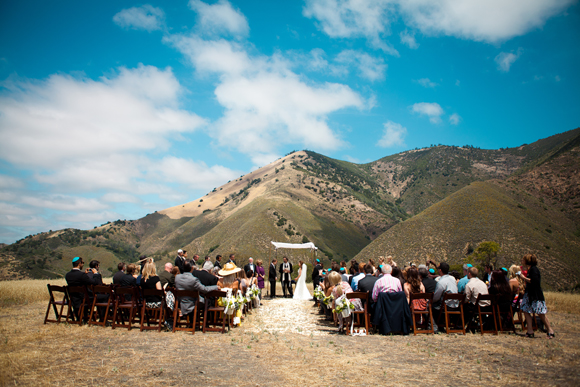
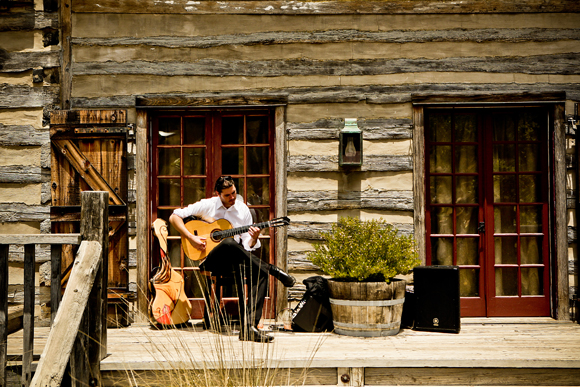
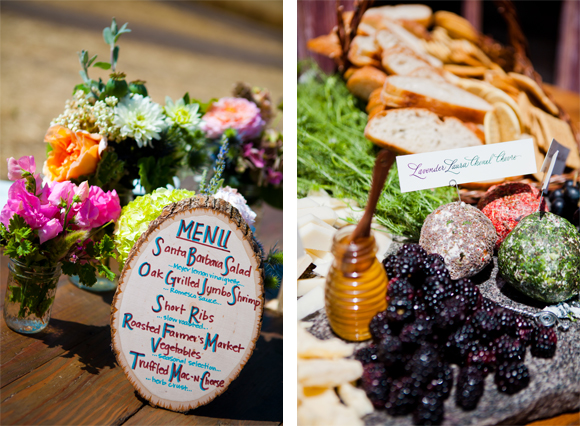
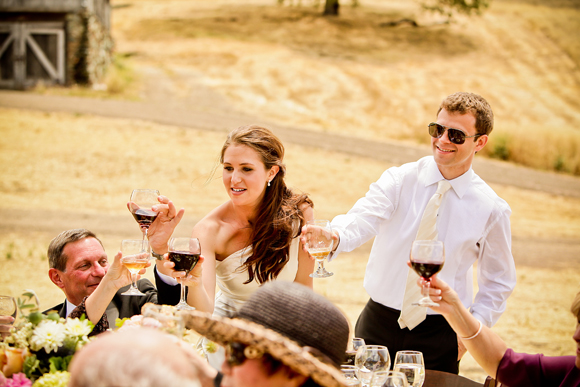
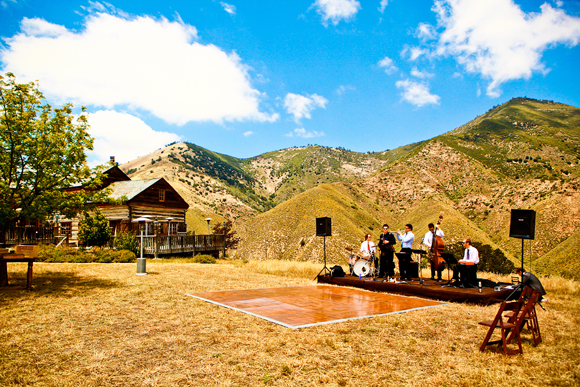
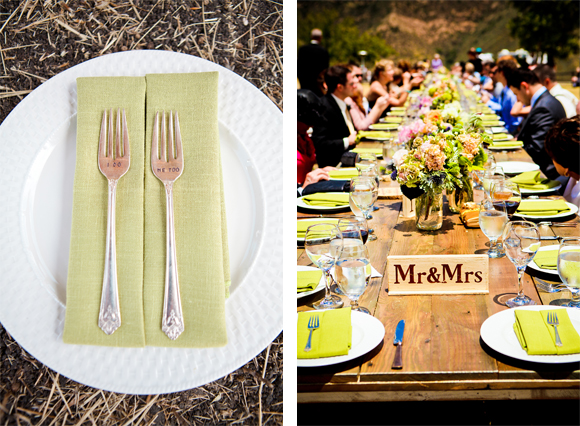
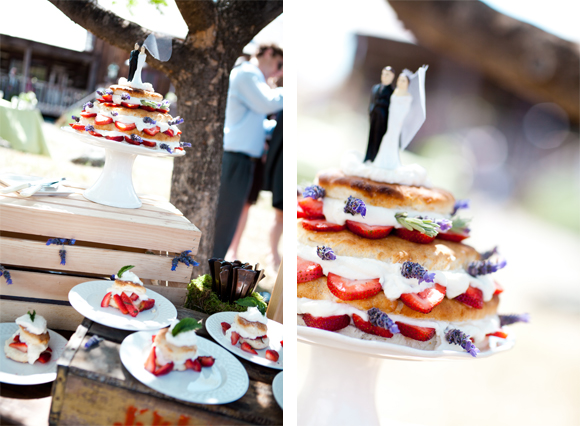
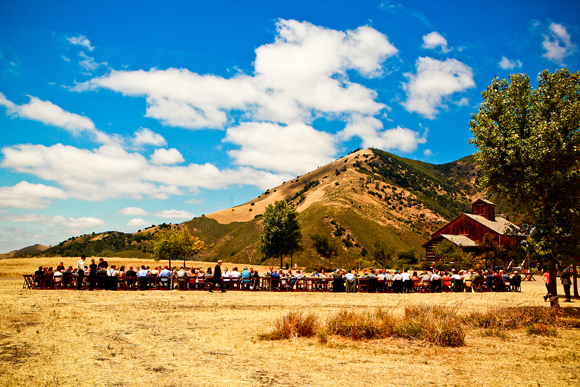
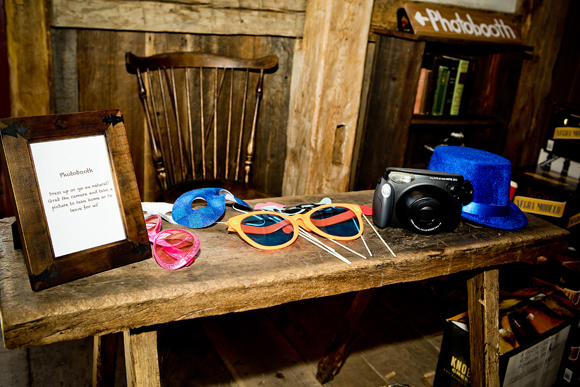
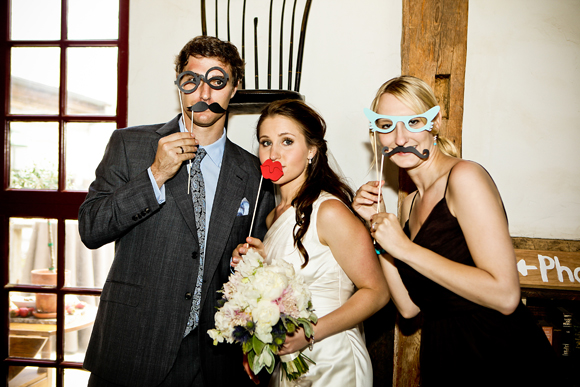
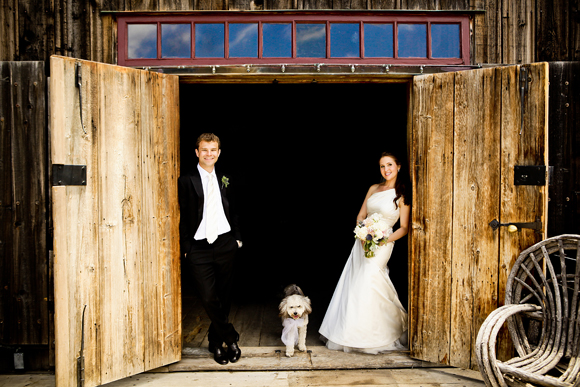
They wanted a rustic wedding that still felt sophisticated. Mia and Mike really wanted their wedding to feel intimate, which they accomplished by curving the ceremony seating slightly and creating one long head table for everyone to sit at. The intimate seating was contrasted by the big openness of the venue. For the backdrop, they had the gorgeous hills and the farmhouse, which is an actual West Virginian farmhouse that was deconstructed and rebuilt in California wine country. Most of the decor and little touches were made by Mia or Etsy vendors, aside from the pieces they used from their parents’ homes and weddings.

Mazel tov, Mia and Mike!

Venue- Figueroa Mountain Farmhouse
Caterer and Cake- Santa Barbara BBQ Gourmet Catering
Photographer- Beautiful Day Photography
Florist- Renae’s Bouquets
Month-of Wedding Coordinator- Donna Romani Events
Rentals- Town and Country Event Rentals
Gown and Veil- Monique Lhuillier
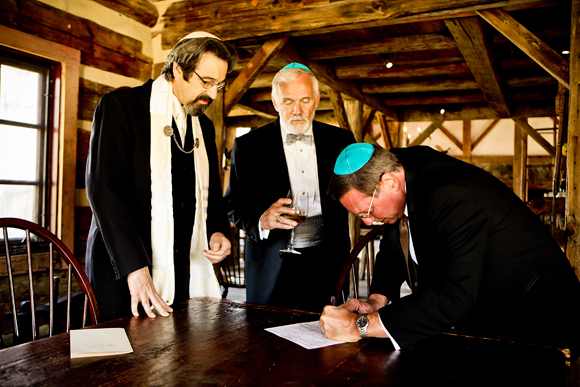
Officiant- Weddings with Spirit, Rabbi Barry Tuchman
Hair and Makeup- TEAM Hair and Makeup
Classical Guitarist and Jazz Band- JSH Music

real-jewish-weddings-|-los-olivos-santa-barbara

real-jewish-weddings-|-los-olivos-santa-barbara

real-jewish-weddings-|-los-olivos-santa-barbara

real-jewish-weddings-|-los-olivos-santa-barbara

real-jewish-weddings-|-los-olivos-santa-barbara

real-jewish-weddings-|-los-olivos-santa-barbara

real-jewish-weddings-|-los-olivos-santa-barbara

real-jewish-weddings-|-los-olivos-santa-barbara

real-jewish-weddings-|-los-olivos-santa-barbara

real-jewish-weddings-|-los-olivos-santa-barbara

real-jewish-weddings-|-los-olivos-santa-barbara

real-jewish-weddings-|-los-olivos-santa-barbara

real-jewish-weddings-|-los-olivos-santa-barbara

real-jewish-weddings-|-los-olivos-santa-barbara

real-jewish-weddings-|-los-olivos-santa-barbara

real-jewish-weddings-|-los-olivos-santa-barbara

real-jewish-weddings-|-los-olivos-santa-barbara

real-jewish-weddings-|-los-olivos-santa-barbara

real-jewish-weddings-|-los-olivos-santa-barbara

real-jewish-weddings-|-los-olivos-santa-barbara

real-jewish-weddings-|-los-olivos-santa-barbara

real-jewish-weddings-|-los-olivos-santa-barbara

real-jewish-weddings-|-los-olivos-santa-barbara

real-jewish-weddings-|-los-olivos-santa-barbara

real-jewish-weddings-|-los-olivos-santa-barbara

real-jewish-weddings-|-los-olivos-santa-barbara

real-jewish-weddings-|-los-olivos-santa-barbara

real-jewish-weddings-|-los-olivos-santa-barbara

real-jewish-weddings-|-los-olivos-santa-barbara

real-jewish-weddings-|-los-olivos-santa-barbara

real-jewish-weddings-|-los-olivos-santa-barbara

real-jewish-weddings-|-los-olivos-santa-barbara

real-jewish-weddings-|-los-olivos-santa-barbara

real-jewish-weddings-|-los-olivos-santa-barbara

real-jewish-weddings-|-los-olivos-santa-barbara

real-jewish-weddings-|-los-olivos-santa-barbara

real-jewish-weddings-|-los-olivos-santa-barbara

Suiting Up

Five days before Rosh Hashanah, Yenta Husband Bryan realized he needed a new suit for the holidays. It seems as though pregnancy had added a few extra pounds to both of us (but he’ll lose it fast! Oy! Men!), so we took a trip to Men’s Wearhouse to purchase a new get-up that would be appropriate for the High Holy Days as well as future dressy events like weddings, of course!

We were super impressed with the Men’s Wearhouse outfitters and the selection in store that was ready to wear. My husband is pretty traditional when it comes to suits. Tim Gunn would probably be bored by his taste. And I have a hard enough time picking out which socks to wear on a day-to-day basis, so I’m definitely no expert in the men’s suits department. We both learned a lot about current styles for young men. Ladies, if your groom is clueless about suiting up for the wedding day, here are some things you both should know if you’re going for a classic, modern look.
Eye on Ties
To the untrained eye, ties may all look the same, but since you and your honey are about to tie the knot, it’s only appropriate that he decides exactly how he wants to tie the knot — the tie’s knot!

The size of the knot should increase as space between collar points increases, so the groom should keep this in mind as he decides how he is going to wear the tie. There are three main styles to wear the tie, each with a different level of formality.

The Windsor Knot
The most traditional knot is called the Windsor knot. This style, which is named after the Duke of Windsor looks best for the businessman in a professional environment, but can also be an option for a less formal wedding. The Windsor knot has a triangular knot that’s most appropriate for wide-spread dress shirt collars.

The Half Windsor
The half Windsor piggybacks on the general Windsor look, but has a small triangular knot. Therefore, consider wearing the half Windsor with a dress shirt that has a more regular spread collar. Formal to business casual are good looks for the half Windsor.
The Four-In-Hand
For a quick-to-tie look, this knot is smaller and narrower and looks great for a modern and fashion-forward man who likes to keep up with the most current trends. A narrow collar opening works for this knot and can be anywhere in the range of casual to modern formal.

It’s A Shoe In
When it’s time to step on that glass, you want to make sure that the groom’s footwear is as exciting as the big fat “mazel tov!” that will come from your guests.

Typically, when we think of footwear for formal attire, we think of patent leather shoes. Patent leather is the standard style for tuxedos. These shoes are usually plain toe, lace-ups that look appropriate with a tux.

If patent leather is a little too fancy shmancy for the groom, it’s easy to decrease the formality of the look with a sleek shoe that’s not as shiny.

No matter what, though, dress shoes for a formal wedding should be black, have a plain toe design (which means no wingtips, split-toe, or cap-toe styles), and be able to be shined with high gloss.

The “It” Jacket
Tuxedo jackets aren’t much different than a regular suit jacket when it comes to general fit. First, decide on a single or double-breasted look, and then choose the style of the lapel. Usually the lapel is made out of satin which guarantees a formal and traditional look.

Typically, the lapels are notch or peak styles, but there’s also the classic shawl collar which doesn’t have any notches at all and rounds from the shoulders to the bottom of the chest. A super formal wedding might call for coat with tails or a cutaway, but this isn’t as common and we don’t see a lot of these styles at modern Jewish weddings. However, you as a couple must decide what works for you! You two make the rules!

Rent or Buy?
It may take a toll on a wallet, but if there are a lot of upcoming formal events that would require a tuxedo, it’s usually more economical to buy a tuxedo. Typically, buying a tuxedo saves money in the long run — same reason we buy in bulk, right? — and it’s always nice to know that there’s something tailored and ready to go hanging in the closet for each occasion to come.

Arranging rentals for the wedding party is easy! Visit Men’s Wearhouse or your local tuxedo shop to pick out favorite styles for the VIP guys of your wedding. You’ll want to decide if you want the look to include vests, suspenders, cufflinks, bow ties or long ties, shoes, and the pattern on the pants and coat. Have your groomsmen send you their sizes to liaise with the rental vendor who will reserve the tuxedos for pick up before the wedding. Remind the guys to try them on before leaving the shop to be sure everything fits, but they shouldn’t have to do much work beyond that. Easy!

Real Weddings | Los Angeles, CA

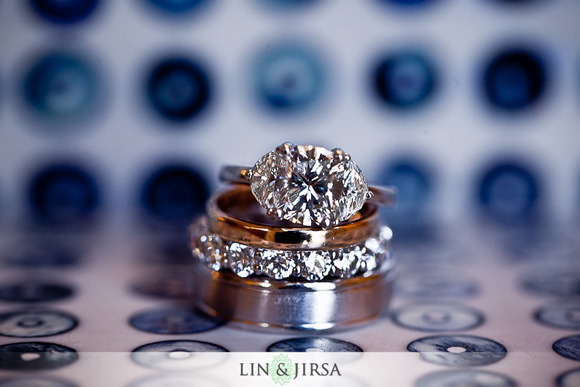
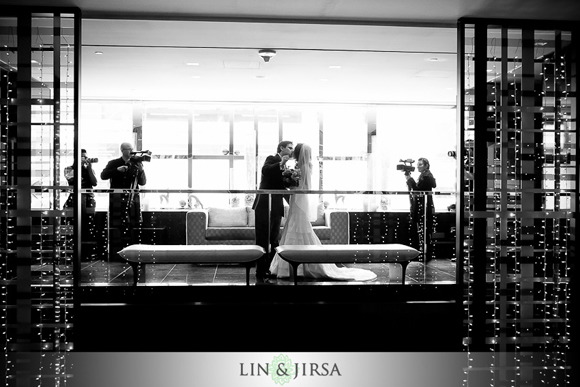
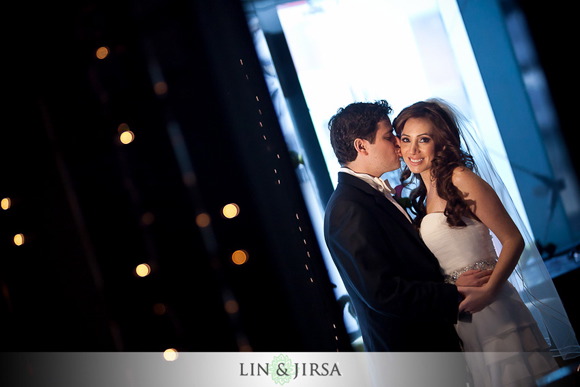
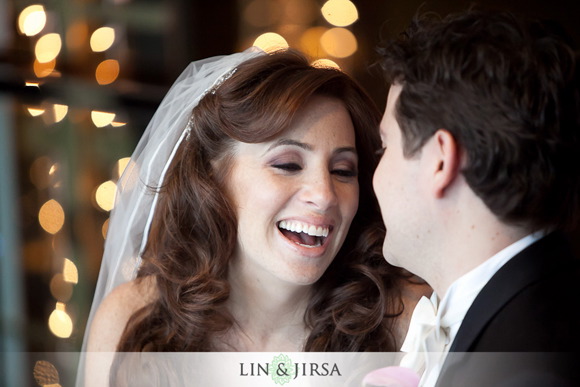
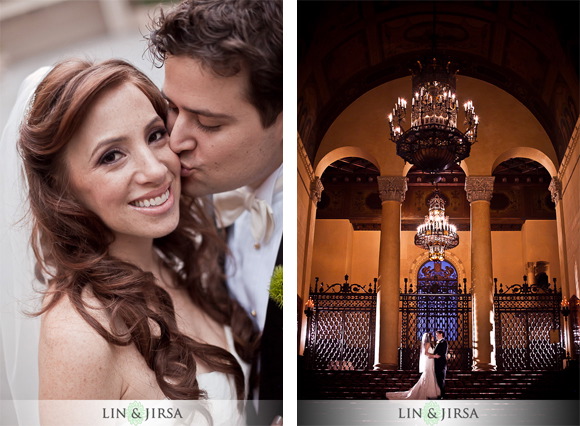
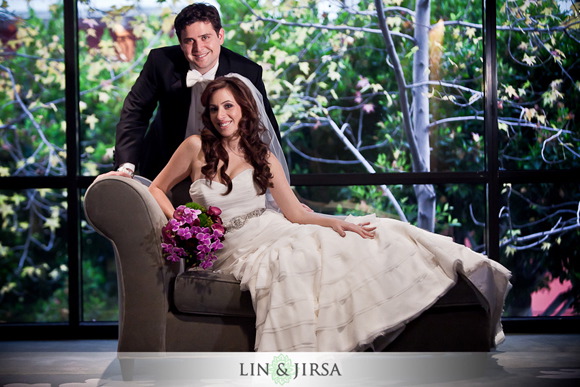
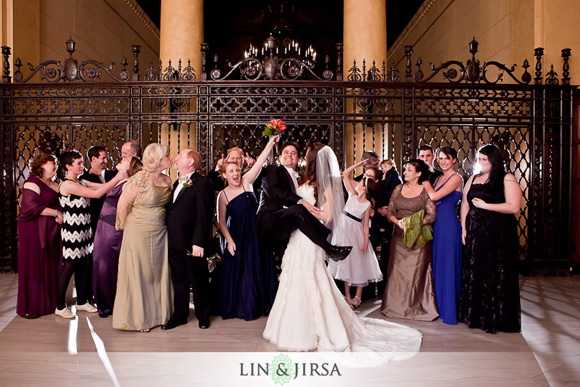
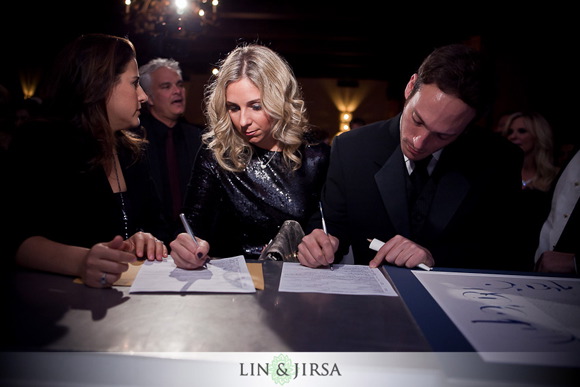
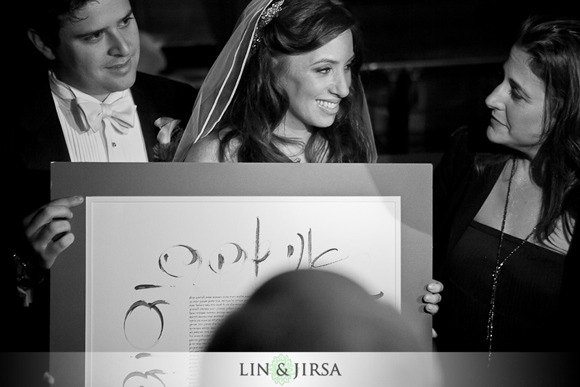
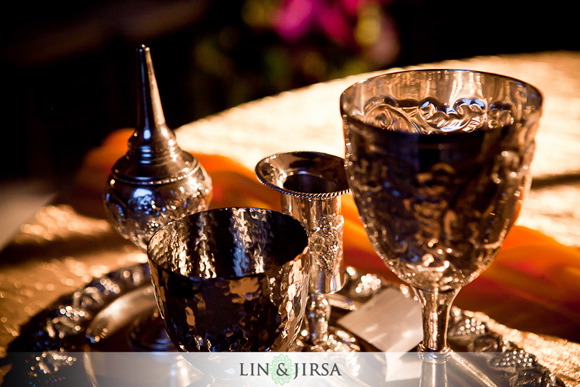
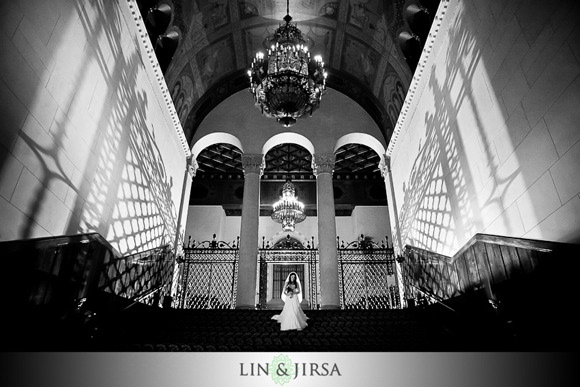
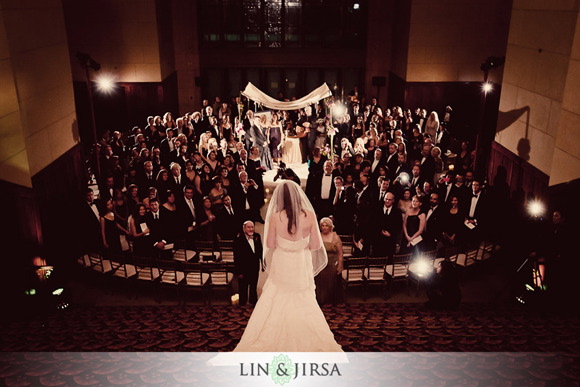
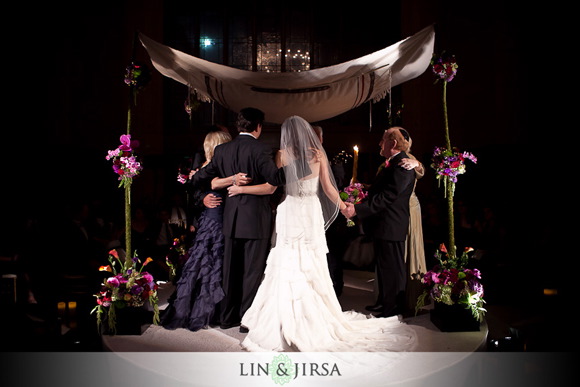
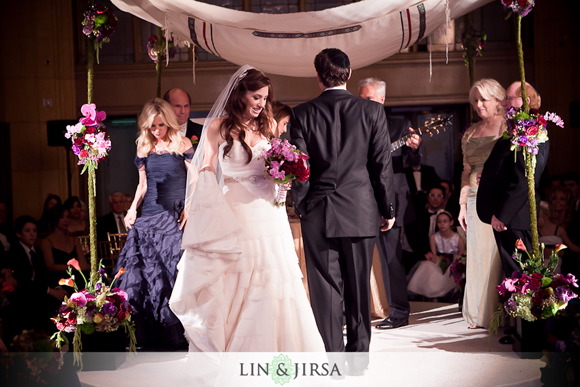
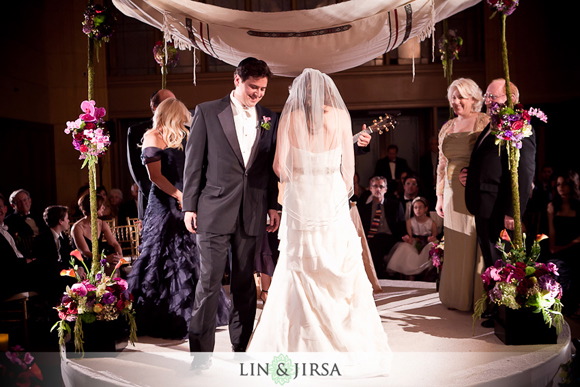
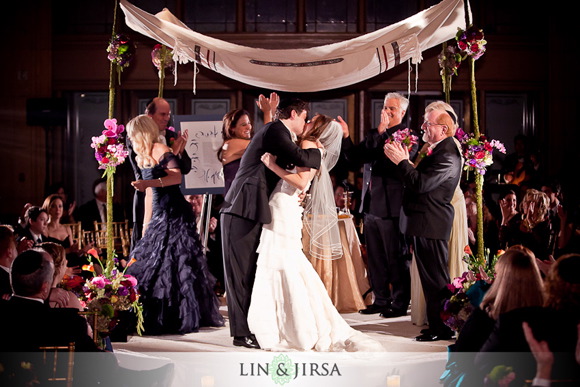
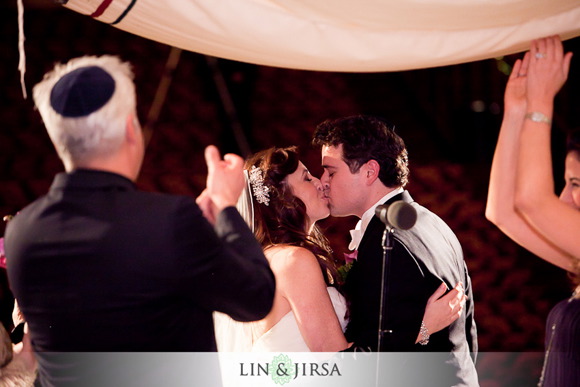
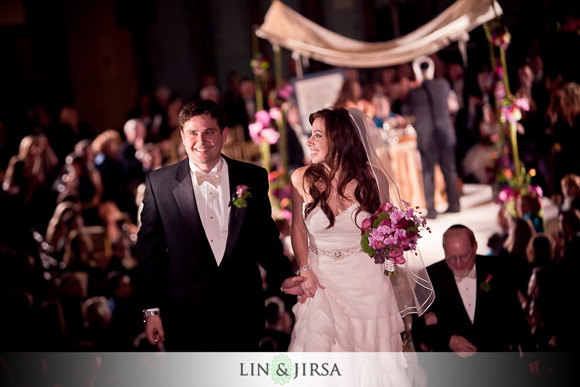
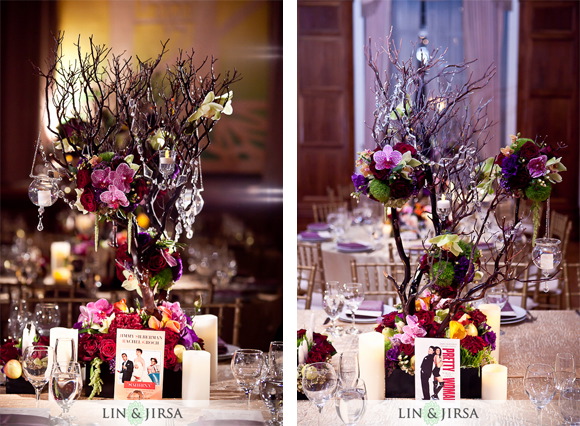
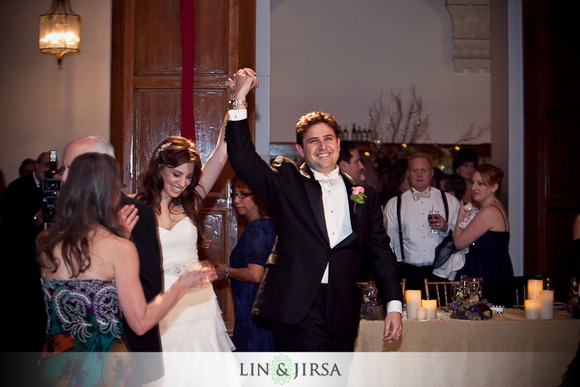
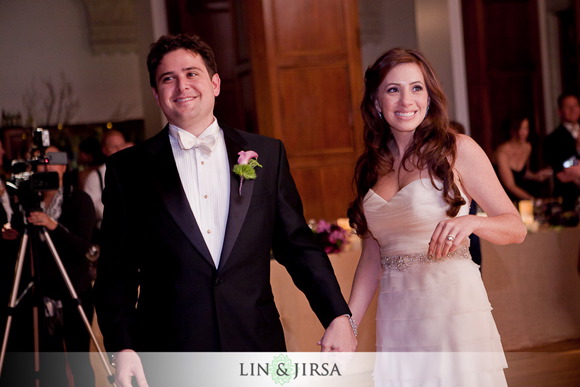
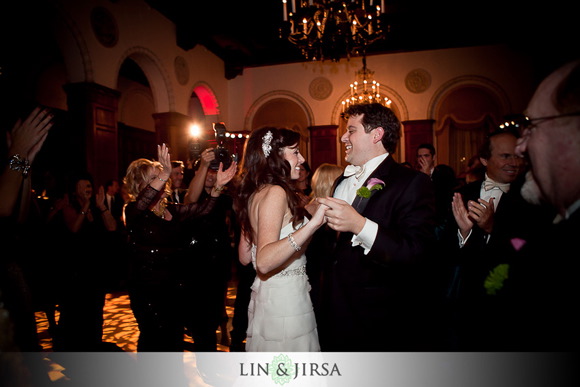
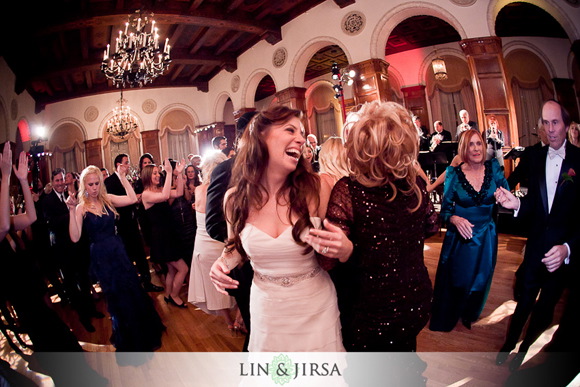
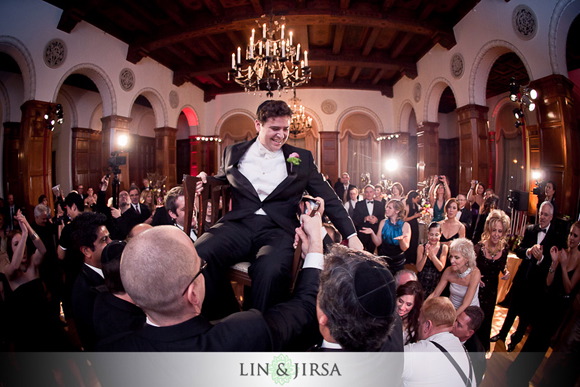
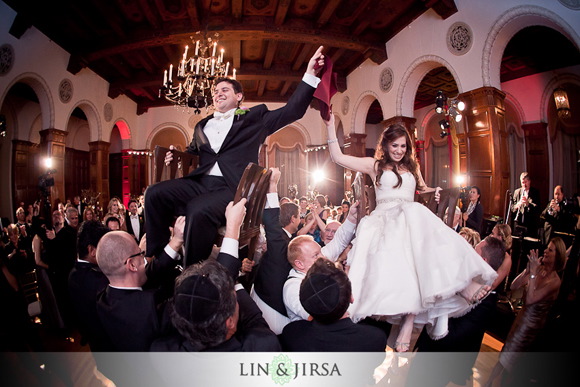
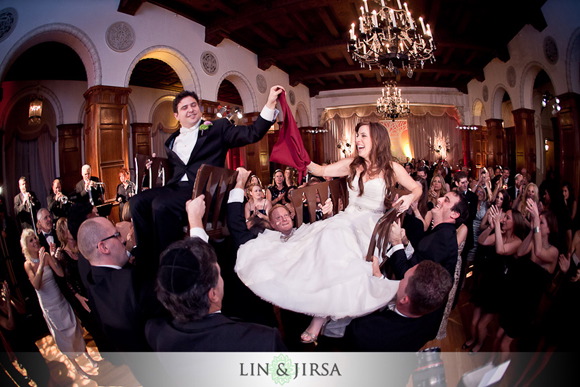
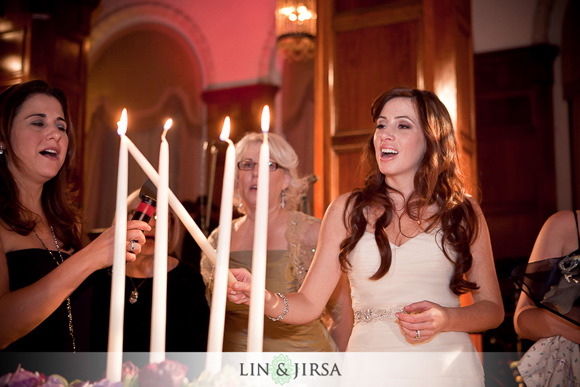
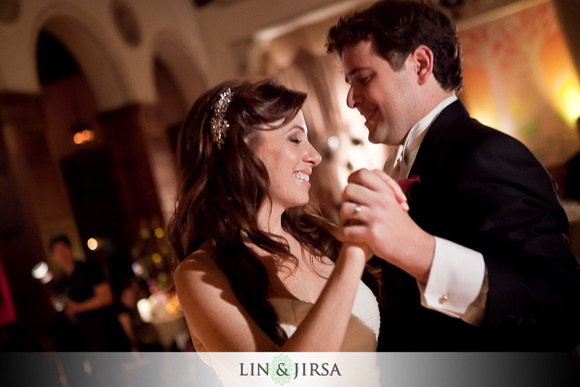
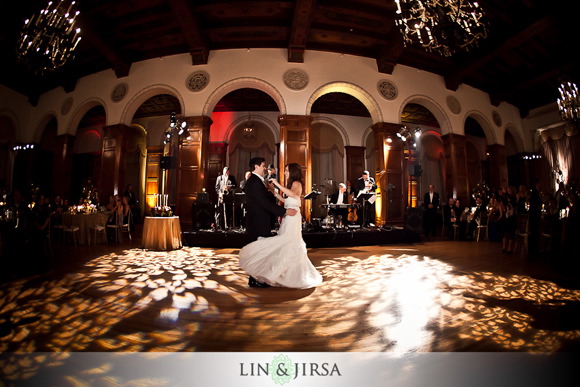
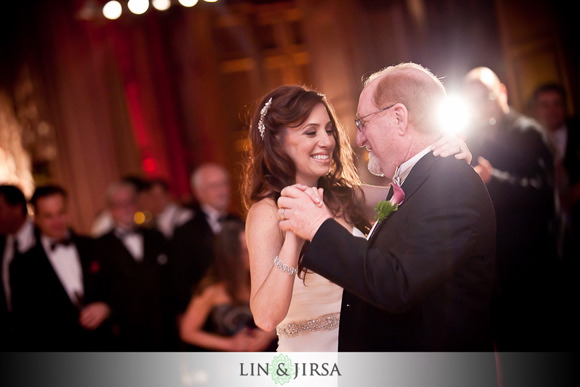
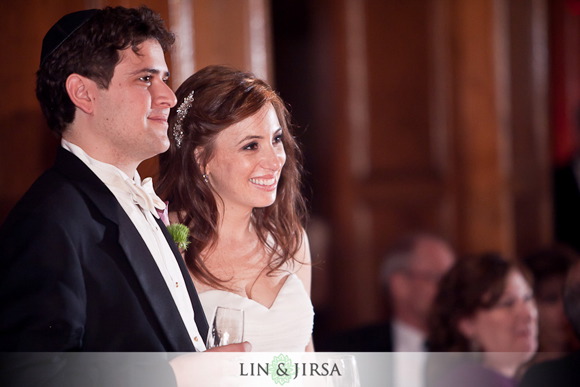
The festival of lights took on a whole new meaning when Rachel and Jimmy’s wedding landed on the fourth night of Chanukah. Their ceremony was in the round at the foot of the grand staircase. We love ceremonies held in the round because it feels like the bride and groom are receiving a big hug from all of the guests!

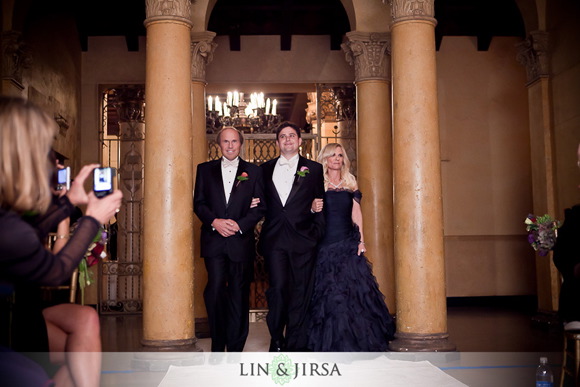
When guests arrived they were greeted by champagne and latkes and after delighting in these festive treats, a shofar blew to signal guests to their ceremony seats. The bride’s reveal was dramatic and romantic. First, Rachel’s parents appeared as the processed down the aisle and then a light came on at the top of the stairs, spotlighting the bride as she took the steps down toward her parents to the song “I Am That I Am” from The Ten Commandments.

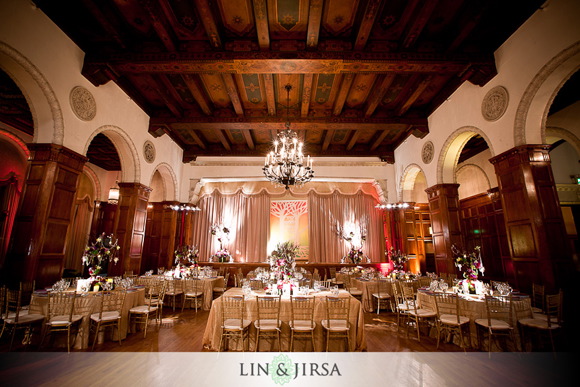
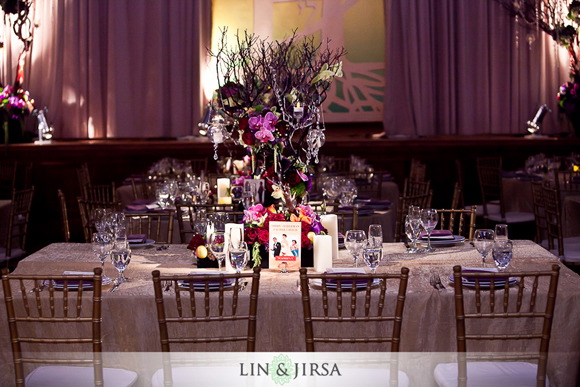
The wedding reception continued in a bold and celebratory fashion with a night of dancing, candelight, and fabulous decor.

Mazel tov, Rachel and Jimmy!

Venue – Park Plaza
Coordination – Amber Events
Rabbi – Rabbi Sherre Hirsch
Photographer – Lin and Jirsa Photography
Videographer – Tom Buckley
Catering – Summit Event Catering
Floral Design – Designs by David
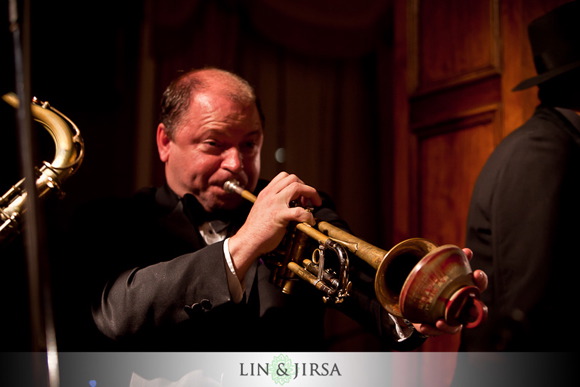
Entertainment – Dale Schatz Music
Hair Stylist – Aline Cholakian
Makeup Artist – Rebecca Netzel
Cupcakes and Brownies – Babycakes
Transportation – CCC Tours
Guest Gifts – Poppies Dough

plaza-downtown-la-real-jewish-wedding

plaza-downtown-la-real-jewish-wedding

plaza-downtown-la-real-jewish-wedding

plaza-downtown-la-real-jewish-wedding

plaza-downtown-la-real-jewish-wedding

plaza-downtown-la-real-jewish-wedding

plaza-downtown-la-real-jewish-wedding

plaza-downtown-la-real-jewish-wedding

plaza-downtown-la-real-jewish-wedding

plaza-downtown-la-real-jewish-wedding

plaza-downtown-la-real-jewish-wedding

plaza-downtown-la-real-jewish-wedding

plaza-downtown-la-real-jewish-wedding

plaza-downtown-la-real-jewish-wedding

plaza-downtown-la-real-jewish-wedding

plaza-downtown-la-real-jewish-wedding

plaza-downtown-la-real-jewish-wedding

plaza-downtown-la-real-jewish-wedding

plaza-downtown-la-real-jewish-wedding

plaza-downtown-la-real-jewish-wedding

plaza-downtown-la-real-jewish-wedding

plaza-downtown-la-real-jewish-wedding

plaza-downtown-la-real-jewish-wedding

plaza-downtown-la-real-jewish-wedding

plaza-downtown-la-real-jewish-wedding

plaza-downtown-la-real-jewish-wedding

plaza-downtown-la-real-jewish-wedding

plaza-downtown-la-real-jewish-wedding

plaza-downtown-la-real-jewish-wedding

plaza-downtown-la-real-jewish-wedding

plaza-downtown-la-real-jewish-wedding

plaza-downtown-la-real-jewish-wedding

plaza-downtown-la-real-jewish-wedding

plaza-downtown-la-real-jewish-wedding

plaza-downtown-la-real-jewish-wedding

plaza-downtown-la-real-jewish-wedding

plaza-downtown-la-real-jewish-wedding

plaza-downtown-la-real-jewish-wedding

plaza-downtown-la-real-jewish-wedding

plaza-downtown-la-real-jewish-wedding

plaza-downtown-la-real-jewish-wedding