Monthly Archives: March 2012

A Bride’s Involvement with Her Bridesmaids

A couple weeks ago, the post about the Maid of Honor’s role in the wedding party was a hit among Yentas readers and helped explain the duties for women waiting in the wings to fill those shoes.

The article talked about her MOH as the bride’s personal heroine of the wedding — the one who helps saves the day should anything go wrong or requires assistance. What the article did not touch on was a bride’s role in the wedding party as a whole, and how much of a role, if any — other than showing up, looking pretty, and saying “I do” — she should have with the other gals.

The post received a comment that is worth addressing for all to read as it is something I wondered as well when I was a bride.

The comment from Bride-to-Be:

This is quite a job! Why do I feel such guilt about putting so much work on a friend’s shoulders? How much involvement should a bride have with the bridesmaids beyond choosing them?

Thanks, Bride-to-Be, for your question and sharing your thoughts with the rest of the Yentas.

It’s not easy to be waited on, hand and foot, without any guilt. Even if it’s someone’s job — as it is the MOH’s — it’s difficult to accept such generosity and good intentions.
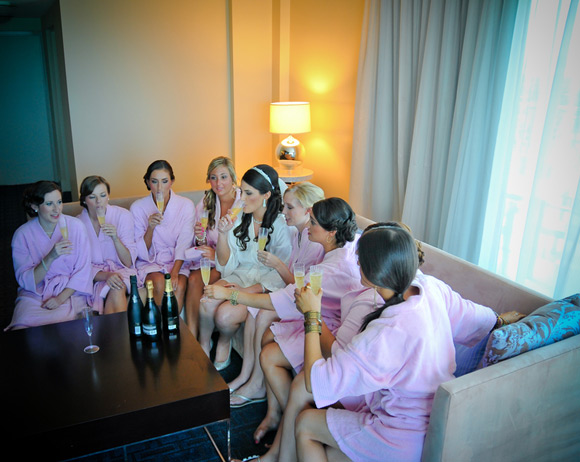
I say, accept it with grace! This is an appropriate time to count on your best girlfriends, especially your MOH, for anything. The day only happens once and the months and events leading up to it are a snapshot in time. The year-ish of wedding planning is not forever so the generosity and good intentions are really, actually, short lived.

Also, a bride picks these special women not because they’re pretty and make great arm candy to the wedding scene. Okay, maybe that, too! But, really, a bride picks these special women because she knows she can count on them, she has a history of happy memories with them, and considers them to have long term presence in her life. If they were fleeting friends or unreliable women, a bride would — hopefully — not have picked them. Most likely, each friend serves a purpose. Maybe there’s the quiet listener who will provide the platform you need to share your ideas and feelings. Maybe there’s the funny one who will distract you when you’re stressed. Maybe there’s the crafty one who will help you sort out your creative ideas. Maybe there’s the knowledgeable one who’s been a bride before or has an inside understanding of weddings.

The Maid of Honor is the one you can count on, no matter what. And of course she doesn’t mind doing her job. In fact, it’s an honor. It’s in her title, after all.
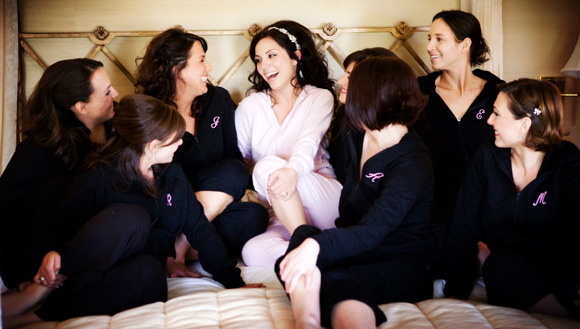
So how much involvement should the bride have with her bridesmaids other than choosing them? Well, that depends on the type of wedding, girlfriends, and bride. Generally, I would say that the bride can give input to her MOH who is the Commander in Chief. For example, if a bride wants to make sure that her bachelorette party is not a chippendale’s fling fest and would prefer a tame and more G-rated spa day, then that would be a good reason for the bride to get involved. Should she plan the whole spa day down to the last cucumber water and hot stone? No, no! It’s okay to hint at what she wants, but it’s not okay for her to take charge and plan everything herself. Otherwise, what’s the point of having the support system?

When it comes to bridesmaid wardrobe or dates for events, the bride can again assume that her MOH will liaise with the rest of the party. The bride can tell the MOH the information about which shoes to purchase or the hair stylist’s rates, but she can just as quickly tell the MOH the information and then forget about it because her trusted confidant and partner in wedding crime will deliver the messages to the other gals so the bride can focus on her other lists, decisions, and ideas.

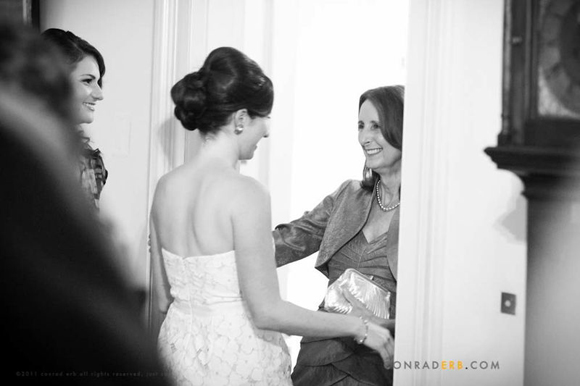
The bride can be involved, however, to show gratitude and appreciation. Thanking them through emails and words on the day of the wedding will always be welcomed. The positive experience that the bride creates for her bridesmaids will provide a positive experience for everyone.

So, brides, do not feel like you need to be busy with bridesmaid business. You chose these girls because you can count on them. Therefore, count your way to the chuppah and they’ll be there to greet you with smiles and love.
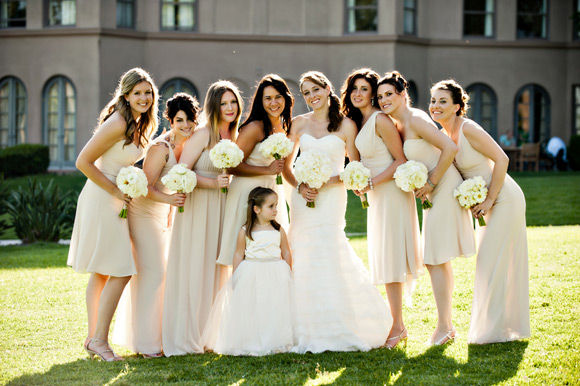
Real Jewish Weddings | Philadelphia, PA

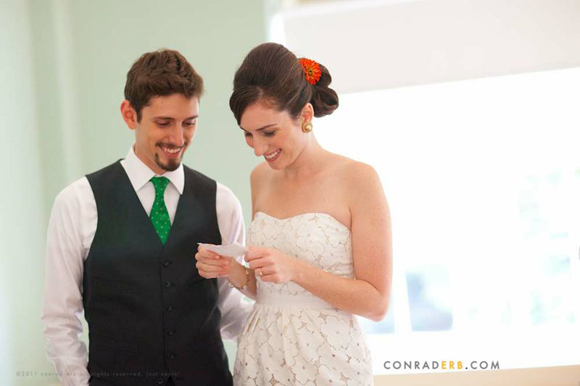
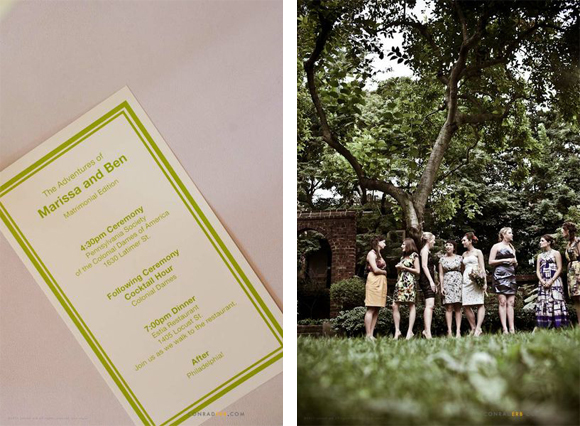
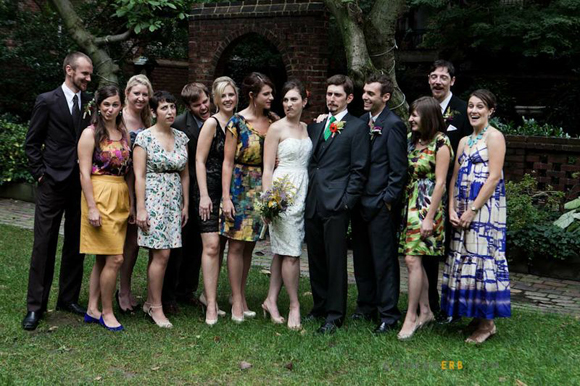
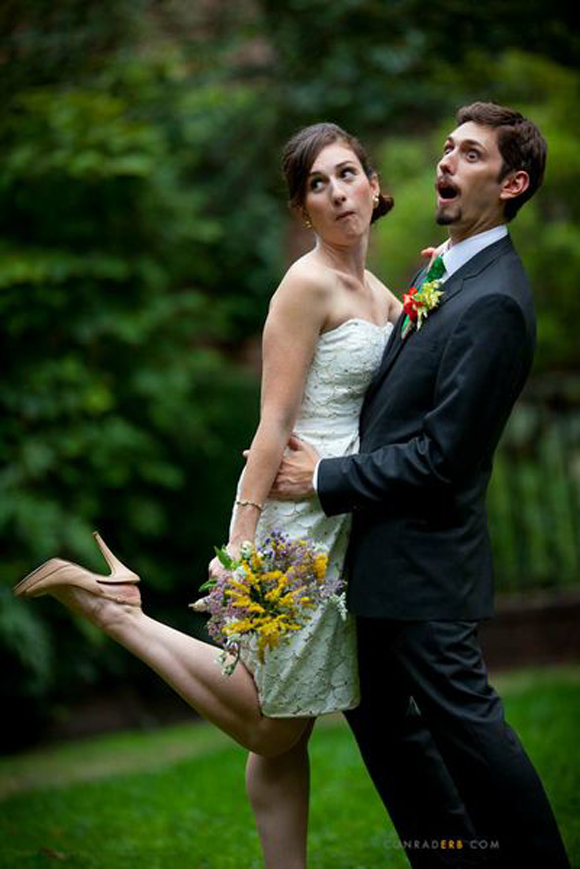
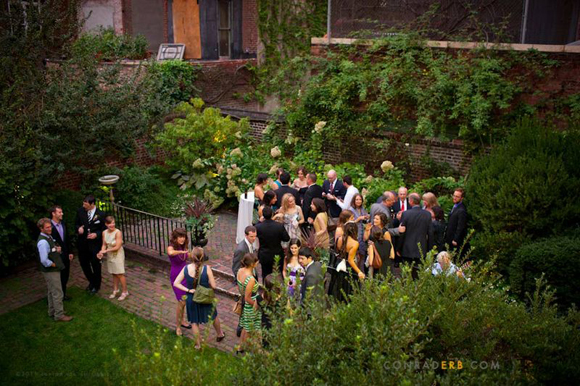
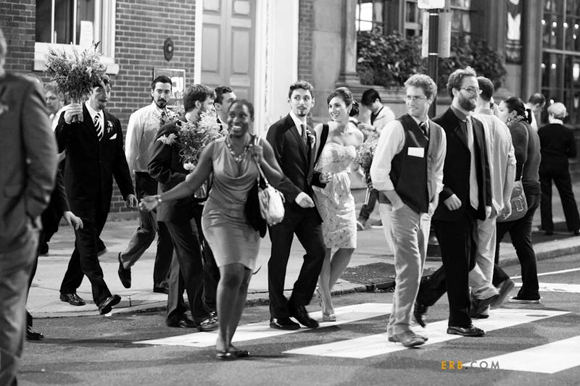
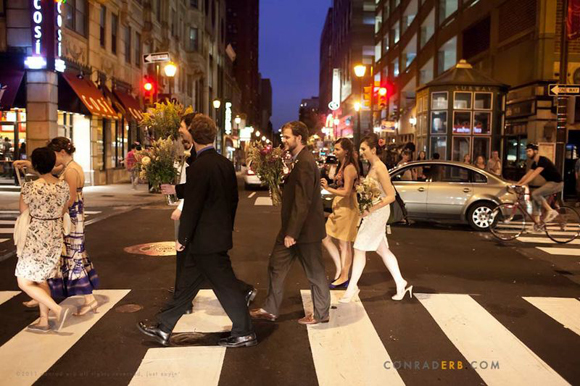
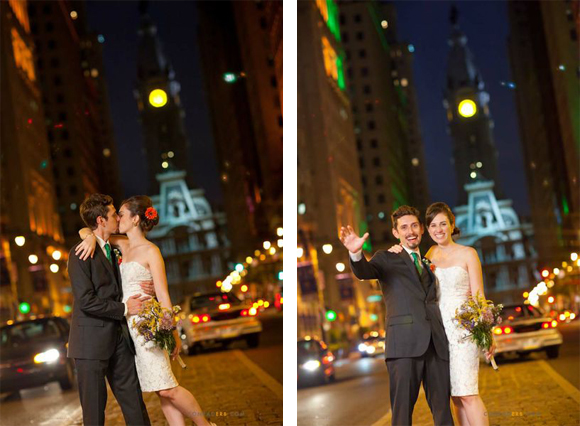
During junior year of college, Marissa’s good friend Georgia met Ben in a Philosophy class. Georgia was attached but felt that Ben was just too awesome not to date, so she made it her mission to set Ben up with one of her nearest and dearest. Though her set-up attempts were unsuccessful, Marissa and Ben did become friends along the way. After graduation, Marissa and Ben found themselves living just blocks away from each other in Philadelphia and with similar work schedules, which included Fridays off every week. Those Fridays turned in to standing lunch dates, which turned in to 7th grade style flirting, and soon enough, a full- fledged relationship.

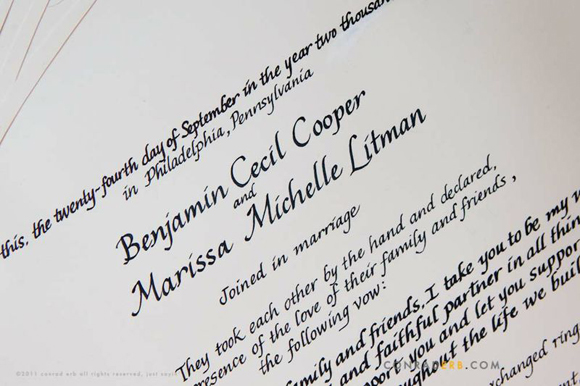
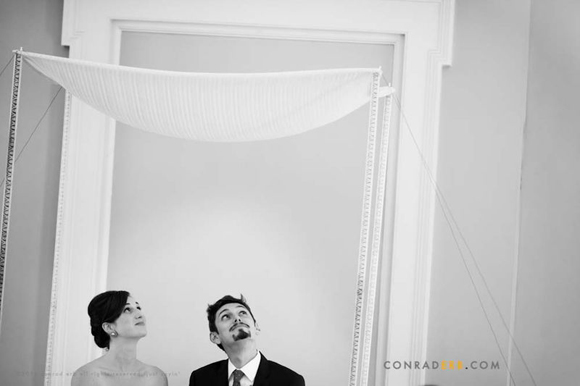
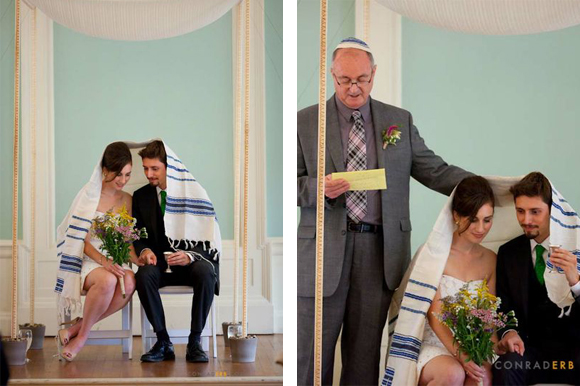
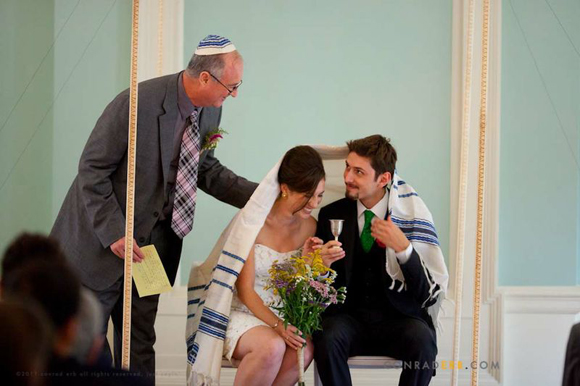
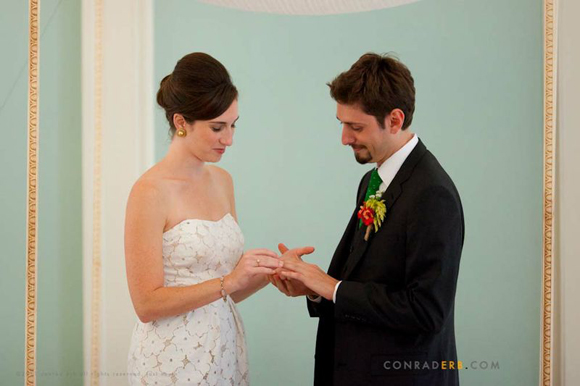
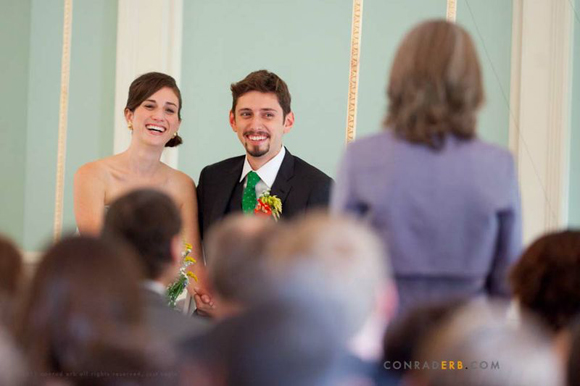
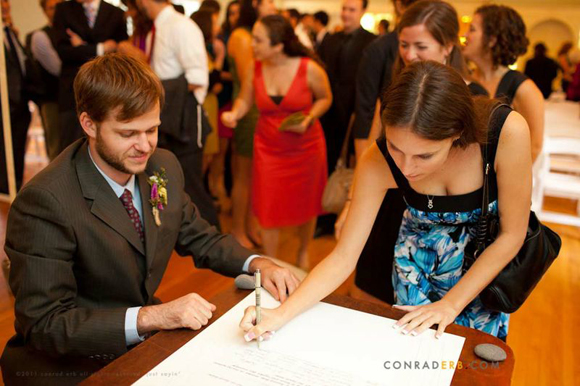
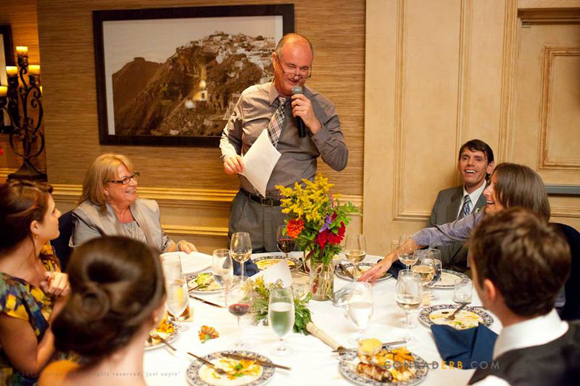
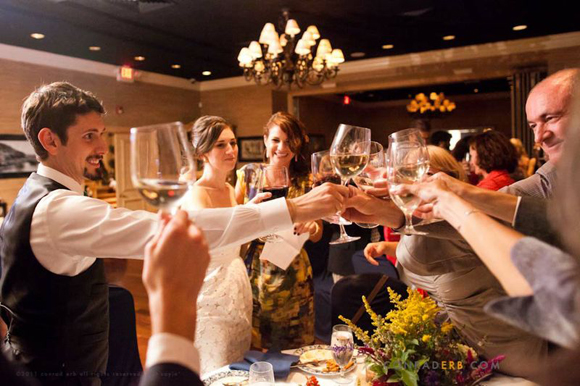
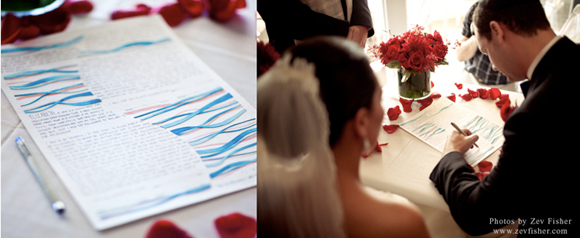
For their wedding, Marissa and Ben were excited to share their Philadelphia home and their family traditions. Marissa is Jewish and Ben is Quaker. The ceremony included a chuppah (which Ben built himself), Jewish wedding prayers (performed by Marissa’s dad with the Kiddush cup from his own Bar Mitzvah), and the breaking of the glass (courtesy of ModernTribe, recommended by the Wedding Yentas), all within a Quaker silent meaningful worship. As part of the Quaker ceremony, Marissa and Ben exchanged their own vows without an officiant, also known as “self-uniting” marriage and then there was a period of silence in which attendees were invited to speak if they felt moved to do so. The silence was then broken along with the glass and a hearty “Mazel Tov” from the crowd! Marissa and Ben also mixed traditions with a Quaker wedding certificate decorated with Ketubeh-like embellishments. Similar to the Ketubah, the Quaker certificate is signed by the bride and groom, but in addition to the signatures of two additional loved ones, every attendee of the wedding signs it as everyone in attendance is considered to be part of upholding the marriage.

Mazel tov, Marissa and Ben!

real-jewish-weddings-|-philadelphia,-pa

real-jewish-weddings-|-philadelphia,-pa

real-jewish-weddings-|-philadelphia,-pa

real-jewish-weddings-|-philadelphia,-pa

real-jewish-weddings-|-philadelphia,-pa

real-jewish-weddings-|-philadelphia,-pa

real-jewish-weddings-|-philadelphia,-pa

real-jewish-weddings-|-philadelphia,-pa

real-jewish-weddings-|-philadelphia,-pa

real-jewish-weddings-|-philadelphia,-pa

real-jewish-weddings-|-philadelphia,-pa

real-jewish-weddings-|-philadelphia,-pa

real-jewish-weddings-|-philadelphia,-pa

real-jewish-weddings-|-philadelphia,-pa

real-jewish-weddings-|-philadelphia,-pa

real-jewish-weddings-|-philadelphia,-pa

real-jewish-weddings-|-philadelphia,-pa

real-jewish-weddings-|-philadelphia,-pa

real-jewish-weddings-|-philadelphia,-pa

real-jewish-weddings-|-philadelphia,-pa

real-jewish-weddings-|-philadelphia,-pa

real-jewish-weddings-|-philadelphia,-pa

real-jewish-weddings-|-philadelphia,-pa

real-jewish-weddings-|-philadelphia,-pa

real-jewish-weddings-|-philadelphia,-pa

real-jewish-weddings-|-philadelphia,-pa

real-jewish-weddings-|-philadelphia,-pa

real-jewish-weddings-|-philadelphia,-pa

real-jewish-weddings-|-philadelphia,-pa

real-jewish-weddings-|-philadelphia,-pa

real-jewish-weddings-|-philadelphia,-pa

real-jewish-weddings-|-philadelphia,-pa

Photographer: Conrad Erb Photography
Ceremony and Cocktail Venue: National Society of The Colonial Dames of America
Reception Venue & Caterer: Estia Restaurant
Cocktail Hour Caterer: Diverse Catering
Dress: Saks Fifth Avenue
Hair Stylist: Charlie Salon
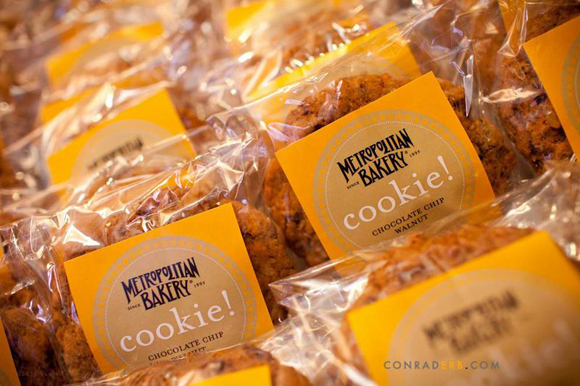
Favors: Metropolitan Bakery
Invitations / Stationery / Wedding Certificate: Sarah Atwater Bourne
Groom’s Suit: J. Crew
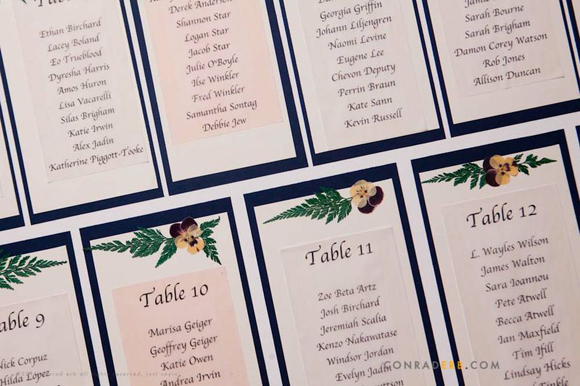
Seating Chart: Marisa Geiger, friend of the bride

Another Wedding Tradition Unveiled

You’ve heard of wedding horror stories. You’ve probably even had wedding nightmares.

The flowers were dead.
The bride’s dress didn’t fit.
The food was inedible.

While planning my own wedding, I kept having this recurring bad dream that we forgot to send out the invitations and no one showed up on the day of the wedding! What a random worry to have. And this dream kept happening even after I actually did send out the invitations. Of course, everything was fine and we didn’t even have any RSVP issues! Phew!
But the worst wedding faux pas happened long ago. The bad news is not that the chair covers were the wrong color or that the DJ was a drunk… but the groom married the wrong bride!

It was the wedding of Jacob and Rachel and the groom thought he was marrying the right gal, but it turns out he didn’t check whose punim was hiding under the veil and, oops! It was Leah, Rachel’s sister, instead!

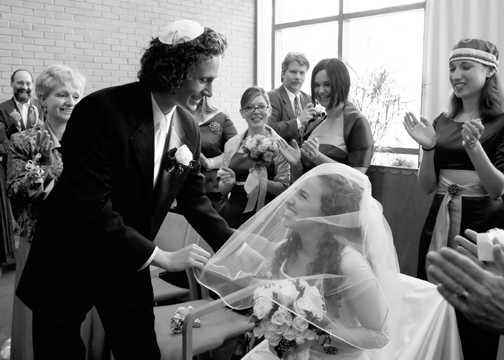
And this is why one of the oldest Jewish wedding traditions calls for a bedeken, or veiling. This ceremony occurs after the ketubah has been signed and before the chuppah portion. The groom approaches the bride and places the veil over her face to personally guarantee that yes, that is the face of the woman he intends to marry.

The bedeken ceremony is also a happy time! The bride sits in a throne-like chair and everyone around her dances and sings. The other women admire the bride for her beauty and offer her words of advice. Sounds like fun, right? A few umbrella drinks and a pedicure, and you have yourselves a real party!
The veil over the bride makes her “hekdesh,” which translate to, literally, “set apart in holiness.” Beauty may fade in time (although, future Chanukah presents to the bride’s self may be a lunch time trip to Dr. Botox…. shh, don’t tell), but a woman’s spiritual appreciation is a quality that never leaves. The veil physically separates the bride from the groom, which is a little way of noting that even in marriage, the two partners still remain unique, distinct individuals. Remembering this helps the couple work as a team as they aim for success in whatever they do.
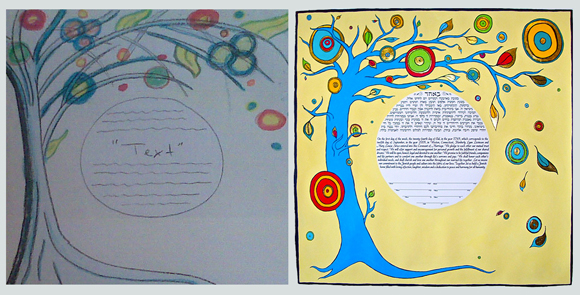
Image courtesy of Stacy Newgent

Ketubah As Fine Art: Part II

Today is Part II of a 2-part series by Ketuv, the website behind fine art ketubahs. Yesterday, the ladies of Ketuv discussed the importance of personalizing ketubah art to fit a couple’s style, history, and home. Today, Part II is all about how to commission an artist to create your perfect memento of your marriage.

Whether you go with a Ketuv artist or not, here are some tips on choosing an artist and finding a style.

There is no special formula to finding the right artist. Look around. You don’t have to know about art to have an experience with it. When you like something, listen to yourself. Try to notice what about the work you like. Is it the color? The composition? The content? The medium (that is, what the artwork is actually made out of)?

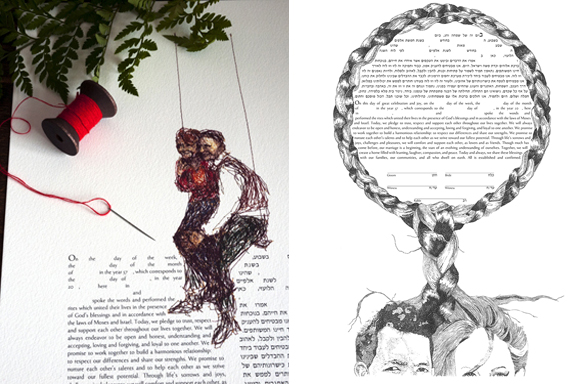
Collect images of the artwork you and your partner like, and look at all the images together. Is there a pattern emerging? Are you finding that you’re more attracted to abstract work, or something more realistic? Are you finding that you like collage work, or pen and ink? Detailed work, or something simpler and more elegant? Colorful or black and white? Once you find your artist, these images and what you like about them will be invaluable information.

Remember, when you are considering commissioning a specific artist, you should imagine that your ketubah, while made especially with your ideas in mind, will look stylistically somewhat like the other work in the artist’s portfolio. That is, if you ask an abstract artist to draw a realistic portrait of you and your partner, it probably isn’t going to work out. When you like an artist, go with their strengths and you will get the best results.

Text
This can sometimes be the trickiest part about commissioning an artist to make your ketubah. At Ketuv, we feel that “ketubah artists” might not always fit the bill for the kind of artwork you’d like to hang in your home, which is why we created Ketuv in the first place. In our custom process, we take care of the text, and the artist takes care of the artwork.

If you’re going with an artist friend, or any artist that can’t provide the ketubah text, several ketubah companies, including Ketuv, offer text-only ketubot. You should also be aware that while many ketubah companies copyright their texts, Ketuv’s texts are open source and available for use, whether you work with us or not.

Communicate!
Let your artist in on the details of the conversation you had with your partner, and share your little folder of inspiration images, taking him/her through your vision for your ketubah. In one case, a couple even sent me a crude version of what they wanted, which they sketched out themselves in crayon!

Once you and the artist feel secure that you have come to an understanding regarding the content and style of your ketubah, you’ll have to hammer out the nuts and bolts:
1. The price of the artwork
2. How much time the artist will have to complete the artwork
3. How many updates the artist will provide for you before you receive the finished product (i.e. Will s/he have to send sketches? Photos of the work in progress? How many?)

Even if the artist is a friend, it might be best to write this down somewhere, just so everyone is clear.

This may sound like a lot of work, but we believe that you and your partner can figure out the basics of what you’re interested in over the span of a dedicated afternoon. It might also be fun, an opportunity to literally “visualize” your relationship. Don’t forget that your artist will also bring something to the table. You don’t have to have everything figured out in order to start the conversation!

What’s more, you’ll be investing in an heirloom, a symbol of your love that will stay in your family for generations.

———————-

Your love is unique. We think your ketubah should reflect that.
With the plethora of generic printed ketubahs available on the Internet, couples with a discerning eye have a hard time finding something that speaks to them. We formed Ketuv to provide couples with a fine art option in ketubahs, and to create an opportunity for innovative artists, with dynamic careers outside of the commercial and Judaica spheres, to create fresh, quality ketubah art.

Founded by artists Arielle Angel and Maya Joseph-Goteiner, Ketuv is committed to creating new opportunities for artists in the marketplace, with the ultimate goal of allowing artists to pursue their craft sustainably and with integrity.

Ketuv is also committed to honoring the diversity of the Jewish people, as well as people influenced by the Jewish tradition. While providing quality wedding and anniversary ketubahs for Jewish couples of all denominations, we also pride ourselves on offering progressive options in wedding artwork for same-sex, interfaith, non-denominational and non-Jewish couples.

From the Expert: Ketubah As Fine Art: Part I

Today is Part I of a 2-part series by Ketuv, the website behind fine art ketubahs. The ladies of Ketuv discuss the importance of personalizing ketubah art to fit a couple’s style, history, and home. Not sure what to think about? No fear! Ketuv offers a lesson in ketubah art 101. Take it away, Ketuv!

You’re engaged. Mazel Tov! So begins the saga of wedding planning. You want to make sure it’s personal, that you and your partner are expressing yourselves in every little detail. And yet, when it’s time to choose a ketubah, you figure you’ll just find something with trees on it and call it a day, right?

Hold up. Long after the flowers wilt, and the bunted garlands come down, long after all the little details of your wedding day are preserved in photographs and sealed in an album on the shelf, your ketubah will still hang on your bedroom wall.

At Ketuv, our motto is that your love is unique, and your ketubah should reflect that. The ketubah is the first piece of artwork you and your partner will purchase together as a couple — the piece of artwork that makes you a couple, by Jewish law — and that’s a very special thing.

So why not go beyond the generic tree landscapes and watercolor Jerusalems and instead commision a real work of art by a contemporary artist?

For most people, the prospect of commissioning a work of art is an intimidating task. Here are a few tips for commissioning an artist to make your ketubah.

What’s Your Ketubah About?
Talk to your partner about what aspects of your relationship you would like your ketubah to highlight.

What do you feel is truly special about your relationship? For some couples, it might be the incredible way you balance one another. For others it might be a set of shared values. Be specific. You may or may not know how these ideas will translate into symbols or visual cues, but either way, don’t be afraid to write them down. These ideas are likely to become touchstones for the artist as they create your artwork.

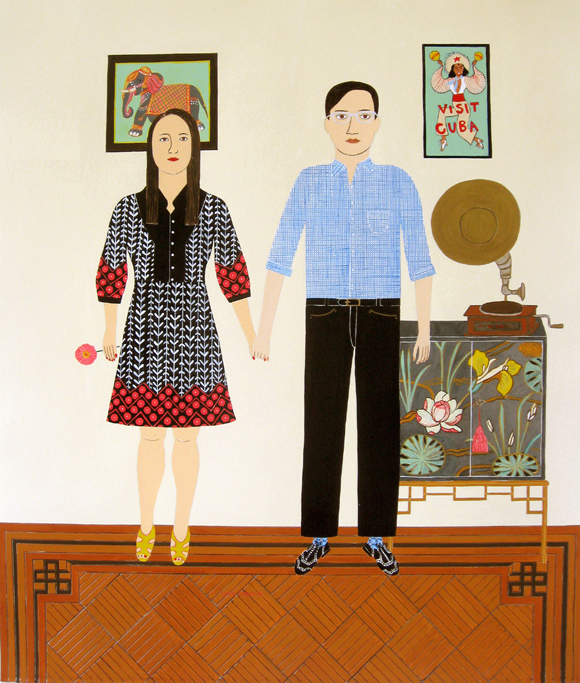
You may want to think about the stories that are important to you as a couple: how you met, the moment you “knew,” a trip you took together. Your ketubah can depict, say, the park bench where he proposed, or a map of all the New York City apartments you both lived in before you met one another. At Ketuv, we have artists who specialize in everything from maps to portraits to family trees.

Start Thinking About Color
This could be as basic as wanting the ketubah to echo your wedding colors, or the colors of your home, or it could be more symbolic. I once had a couple who wanted their ketubah in red and blue because she was fiery and he was more calm. They wanted to highlight that balance in their color choice. Don’t be afraid to get creative!

How should my ketubah look? How do I choose an artist? This is often the hardest thing for most couples who aren’t themselves artistically inclined. At Ketuv, we like to think we’ve made this easy, as we work with more than 20 artists from around the globe, with a range of different styles. We’ve included portfolios of the artists’ personal work, so couples can browse and get a sense of the artists’ capabilities.

How do you even commission an artist to create your ketubah art anyway? Swing by tomorrow for Part II of the series!

———————-

Your love is unique. We think your ketubah should reflect that.

With the plethora of generic printed ketubahs available on the Internet, couples with a discerning eye have a hard time finding something that speaks to them. We formed Ketuv to provide couples with a fine art option in ketubahs, and to create an opportunity for innovative artists, with dynamic careers outside of the commercial and Judaica spheres, to create fresh, quality ketubah art.

Founded by artists Arielle Angel and Maya Joseph-Goteiner, Ketuv is committed to creating new opportunities for artists in the marketplace, with the ultimate goal of allowing artists to pursue their craft sustainably and with integrity.

Ketuv is also committed to honoring the diversity of the Jewish people, as well as people influenced by the Jewish tradition. While providing quality wedding and anniversary ketubahs for Jewish couples of all denominations, we also pride ourselves on offering progressive options in wedding artwork for same-sex, interfaith, non-denominational and non-Jewish couples.