Author Archives: Alison

Jewish Wedding Tradition of Circling

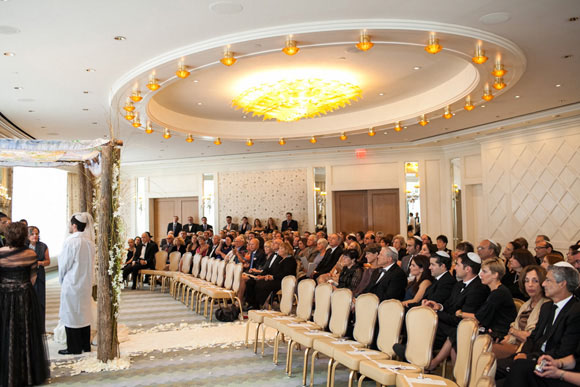
While at dinner with friends who are just two weeks away from their wedding, we were talking about the final details of their ceremony and they couldn’t decide on the ritual of circling.

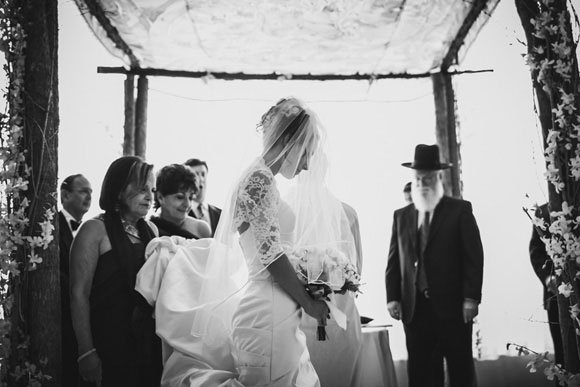
In case you’re not in the inner circle and you’re confused, the casual and informal term of “circling” refers to the tradition of the bride literally walking in circles around the groom during the chuppah ceremony.

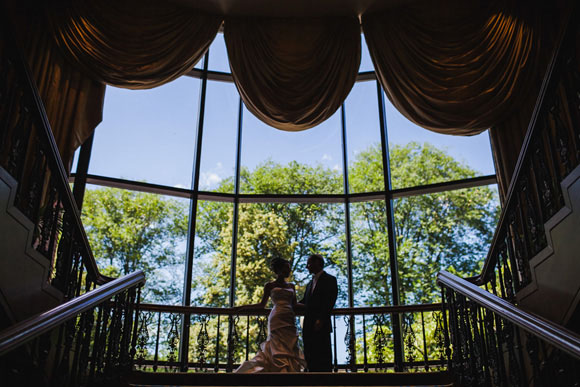
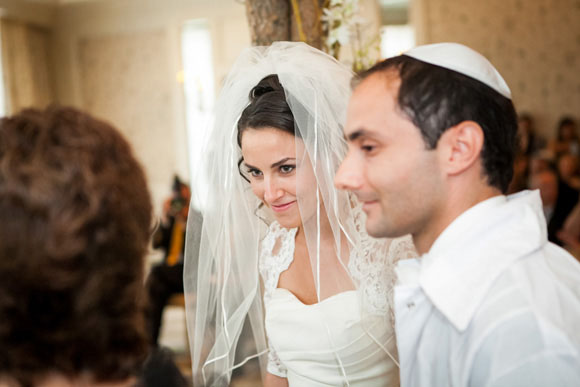
Sandor Welsh Photography

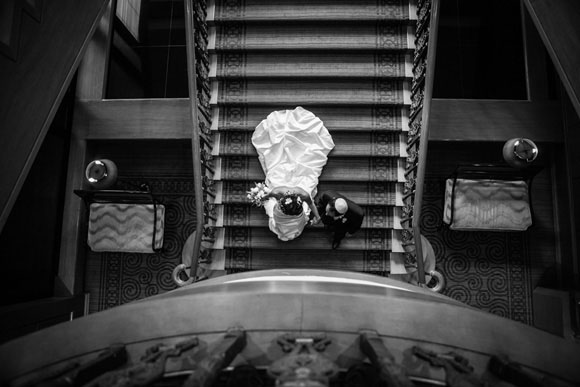
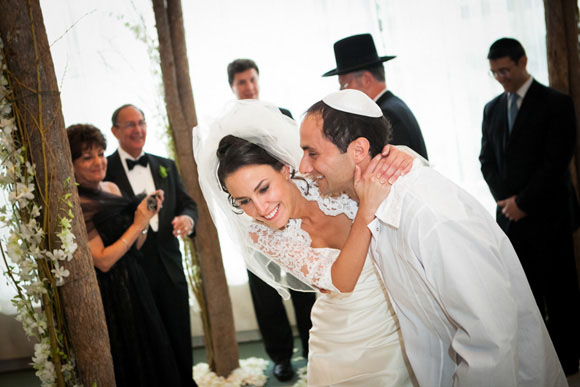
Sandor Welsh Photography

Some do it. Some don’t. Some do a variation on the circling.

Still deciding what you want to do? Maybe a little more info will help shape your decision on circling. It’s an Ashkenazi tradition and has been interpreted the bride creating seven or three circles around the groom. Seven is usually considered to be more traditional. As with most concepts in Jewish religion and culture, there are many reasons and symbols for this tradition. I imagine a bunch of really smart rabbis sitting around a table filled with lox and bagels and caawww-fee all discussing the traditions and trying to agree on one explanation and then finally one stands up, bangs his fist on the table, and says “Fah-get about it! Let ’em pick! They all sound good, yes? Of course yes!” and then it’s up to the people. So, here we are, with a few different explanations, open to interpretation depending on your movement and level of observance.

So, the reason for the circles? In the book of Jeremiah, it is said that “a woman encompasses a man.” Therefore, she literally encompasses him, physically, by walking in a circular border around him.

Another explanation is that by circling her groom a number of times, a bride creates a sort of invisible wall to make a sacred space for them in the chuppah.

Also, numbers play a big part in Jewish traditions, and seven happens to be a biggie. Seven is the number of days of creation and, in theory, the couple is creating a new world together. Also, the phrase “a man takes a wife” is mentioned seven times in the Torah. Another one I’ve heard is that Joshua circled the walls of Jericho seven times to take it down, and, therefore, by the bride circling her groom, she is taking down any walls between them.

Three circles are considered to be a more reform practice. And again, it’s a numbers thing. God says “I will betrothe thee unto me” three times in reference to himself and Israel. So some couples decide three circles are enough and like the derivation of that number.

Then, there’s what more modern couples are doing: they’ll take turns circling the other an even amount of tmes — so either 3 or 1 each, and then circle each other at the same time for the final round. This is seen as more equitable practice since modern couples treat their marriage, and therefore the chuppah ceremony, as an equal partnership. That is, it’s not just the bride making the groom her world, but the groom making the bride his world as well.

Talk to your rabbi, cantor, or officiant about the option that would be best for you two and your system of beliefs. You may even choose to skip it altogether. But if you do end up circling, some tips: hold your bouquet with one hand and your dress’s skirt with the other to avoid tripping; Don’t look down the whole time because your face won’t be as available for photographs, so alternate between looking straight ahead at your partner and then at the ground; when you’re finished, make sure your maid of honor re-fluffs your dress once you’re settled in position.

No matter what you choose, your ceremony should be a reflection of your love and values. It’s less about the circles and more about your hearts!

{Real Jewish Weddings} Boston, MA

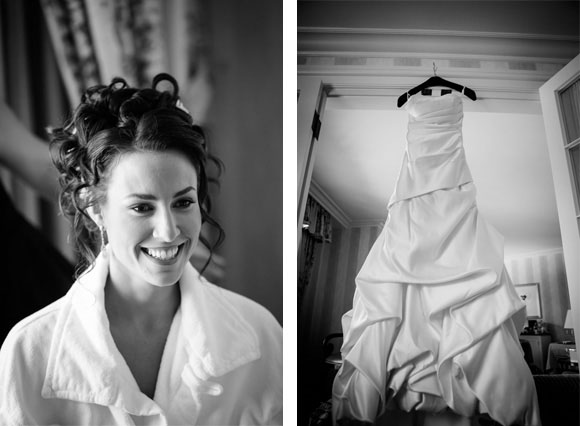
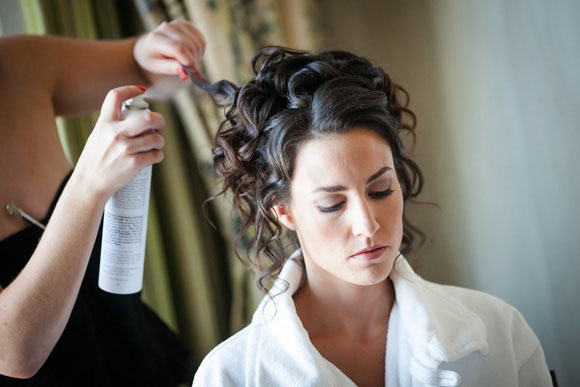
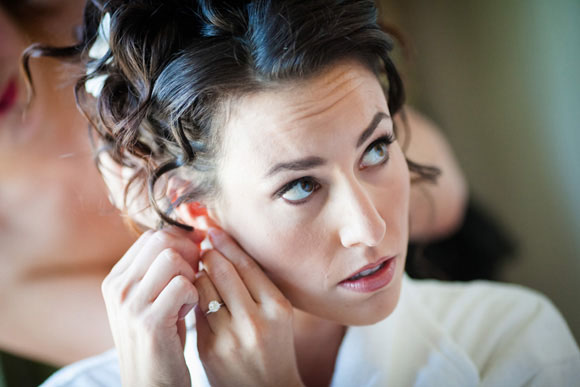
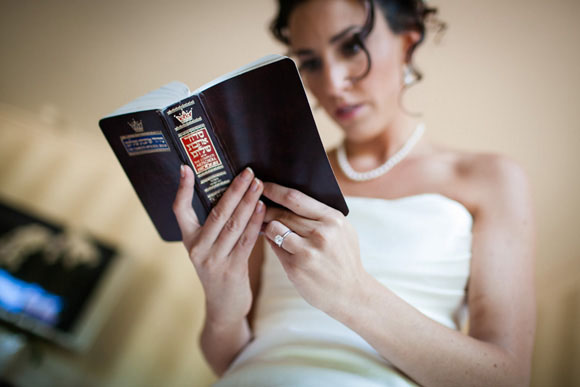
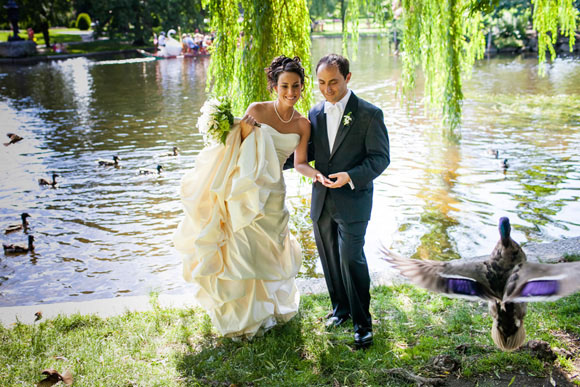
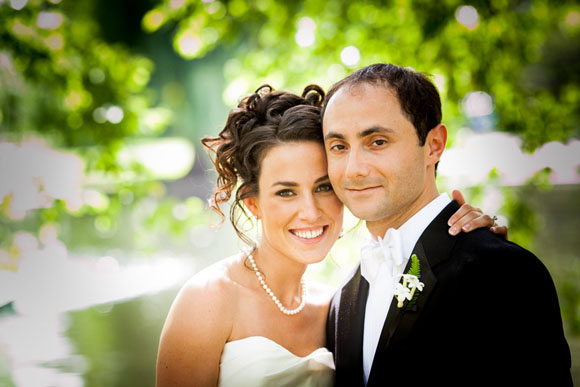
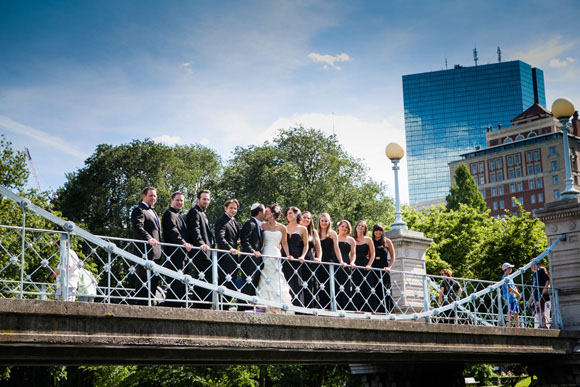
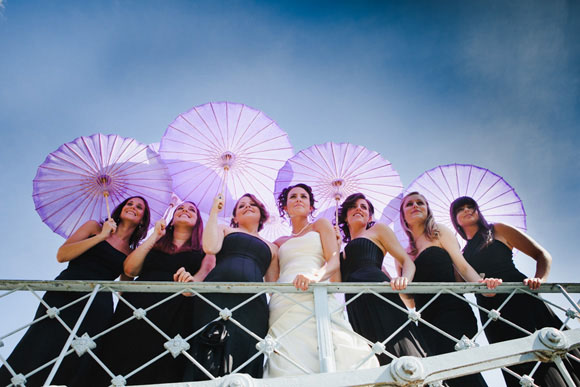
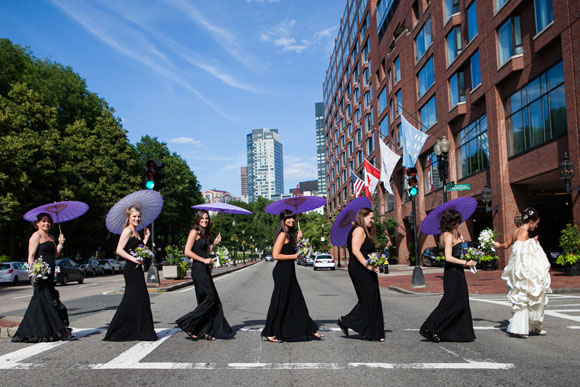
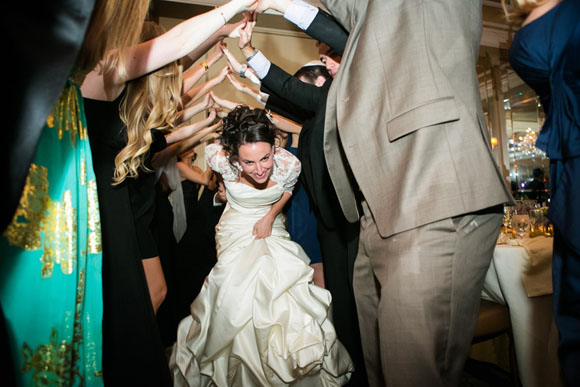
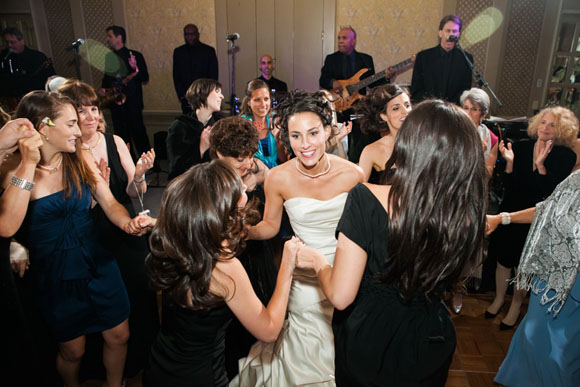
Vicky and Eric were married on a beautiful Sunday in June at the Boston four Seasons hotel. After a tough decision, Vicky decided that her bridesmaids would wear black dresses and added a simple prop: purple parasols. Including a prop like parasols is great for photos, adding a splash of color and personality!

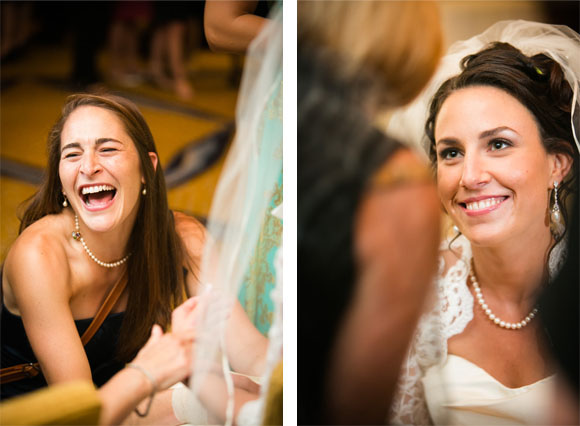
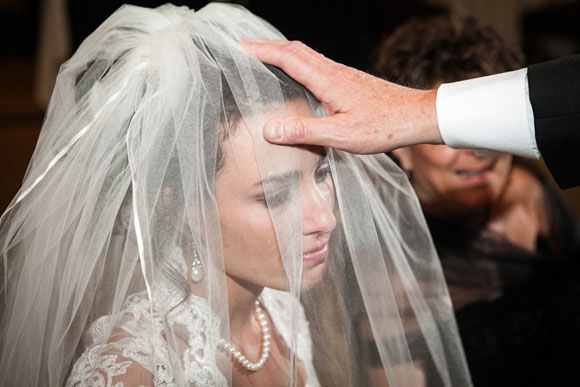
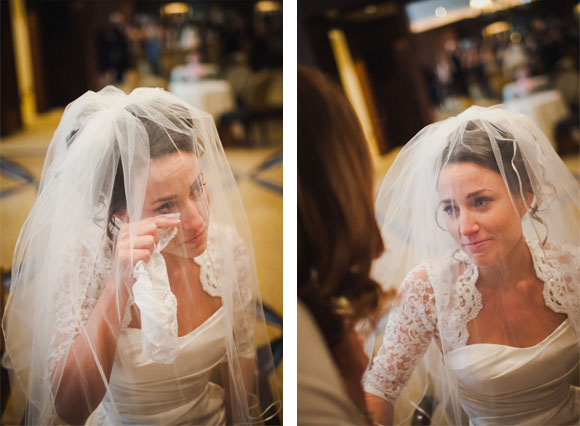
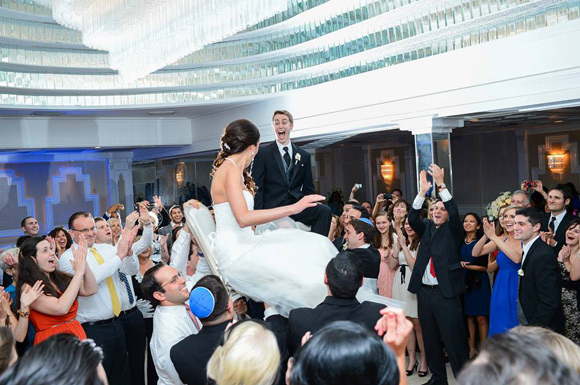
The Jewish details all come together to convey the beautiful traditions. The Bedeken was very emotional and when Eric danced toward Vicky she couldn’t hide her tears. At the beginning of the ceremony when Vicky circled around Eric seven times, there was a beautiful singing of a Jewish chant and the atmosphere was mystical.

Mazel tov, Vicky and Eric!

Boston Jewish Weddings

vicky&eric-1

Vicky&eric-2.1

vicky&eric-2

vicky&eric-3

vicky&eric-4

vicky&eric-5

vicky&eric-6

vicky&eric-7

vicky&eric-8

vicky&eric-9

vicky&eric-10

vicky&eric-12

vicky&eric-13

vicky&eric-14

vicky&eric-16.1

vicky&eric-16

vicky&eric-17

vicky&eric-18

vicky&eric-19.1

vicky&eric-19

vicky&eric-21

vicky&eric-22

vicky&eric-23

vicky&eric-24.1

vicky&eric-24

vicky&eric-25.1

vicky&eric-25

vicky&eric-26

vicky&eric-27

vicky&eric-28

vicky&eric-29

vicky&eric-30

vicky&eric-31

vicky&eric-32

vicky&eric-33

vicky&eric-34

vicky&eric-35

vicky&eric-36

vicky&eric-37

vicky&eric-38

vicky&eric-39

vicky&eric-40

vicky&eric-41

vicky&eric-42

vicky&eric-43

vicky&eric-44.1

vicky&eric-44

vicky&eric-45

vicky&eric-46

vicky&eric-47.1

vicky&eric-47.2

vicky&eric-48

vicky&eric-49.1

vicky&eric-49.2

vicky&eric-49

vicky&eric-50

vicky&eric-52

vicky&eric-53

vicky&eric-54.1

vicky&eric-54

vicky&eric-55

vicky&eric-56

vicky&eric-57

Photography: Nir Landau Photography
Venue & Caterer: Four Seasons Hotel
Benchers and Yarmaluke: skullcap.com
Wedding Bands and Engagement Ring: Levy Jewelers
Hair Stylist: Sharon Mcardle at Tete a Tete Salon
Dress Store: Le Dress
Floral Designer: Winston Flowers
Band: Wilson Steven’s Productions
Make-up: Stacey Frasca, Studio 28

4 Wedding Cake Trends We Love!

Designing your wedding dessert isn’t always a piece of cake!

You may be taste-testing for the best flavors and textures, but don’t forget about creating a work of art that wows your guests and stands out in photos. When and where else will a dessert be such a center piece than at your wedding reception? So take advantage of beautiful trends and ideas that showcase your cake with unique concepts and details.

Pearl Cakes
Nothing is more bridal than pearls. NOTHING! So, how much more weddingish can a wedding cake get? Pearly details! Whether included frosted beaded details or using frosting or fondant that has a pearly shimmer, this kind of cake is just about as elegant as it gets. Too pretty to eat? Yes! But… that’s not stopping anyone!

Pearl cakes

Wedding Cake Cakes
That’s right, plural cakes. Why have one when you can have more? Instead of one multi-tiered wedding cake, disassemble the tiers and display individual cakes. This plan takes up more cake real estate, making for a beautiful spread of confectionary goodness. That also means more opportunities for cute and creative cake toppers! By the way, speaking of cake toppers, don’t forget to add some bling to your spread with Bling Diva Designs. No one’s ever disliked a little sparkle, ya know?

Multiple Wedding Cakes

Rustic Cakes
Having a rustic wedding? It’s only natural to have a nature-themed cake. Nothing seals the theme more than a wedding cake to tie in the style of your day. And if you want to get all deep about it, your wedding day is the first day of new growth for a new family tree and you’ll those branches grow over the years. And the best part? The cake will look woodsy without tasting like wood!

Rustic Wedding Cakes

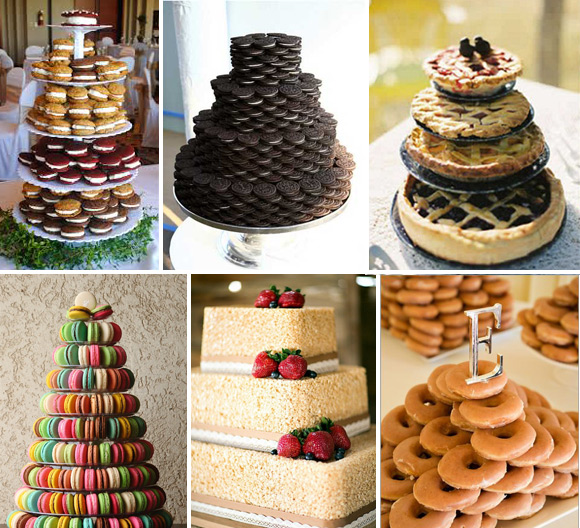
Non-cake Cakes
Who says you have to serve cake anyway? Choose to serve what you actually love. If it’s not cake, then think outside the cake box. Fruit pies! Donuts! Cookie cake! Rice Krispie Treats! Whoopie pies! Macarons! There’s no rule that mandates you serve traditional wedding cake. Find a baker and design your own dessert that represents your taste buds and style.
Alternative Wedding Cakes

{Real Jewish Weddings} Verona, NJ

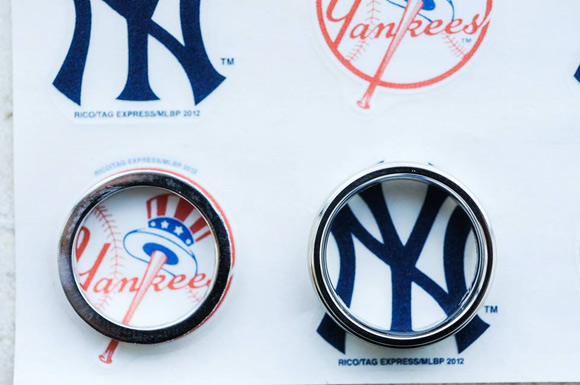
Carla and Aaron met in 2009 when they both worked as Assistant District Attorneys at the Brooklyn DA’s Office. They became fast friends, bonding over the New York Yankees and delicious, cold, domestic, light beer. After they watched the Yankees become the 2009 World Series Champions together, Carla and Aaron stayed good, platonic friends for a year and a half before realizing it was something more. They knew it was right, and then things moved quickly. Aaron proposed 7 months later.

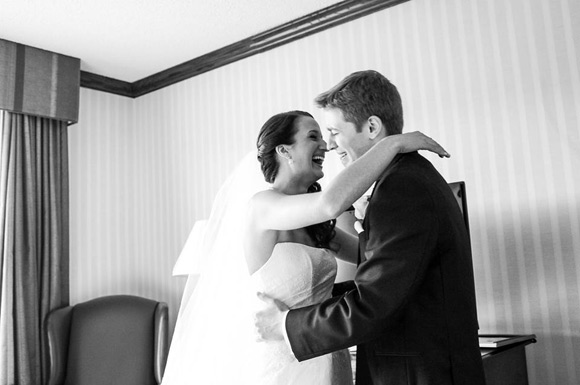
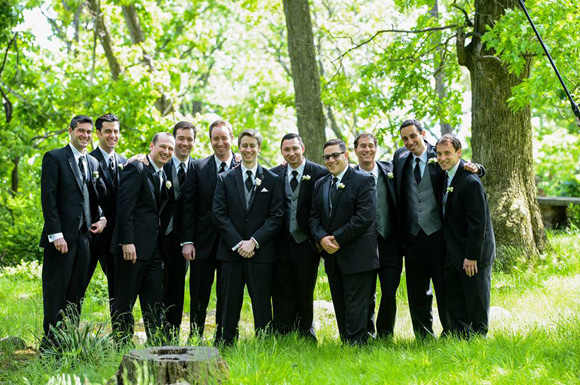
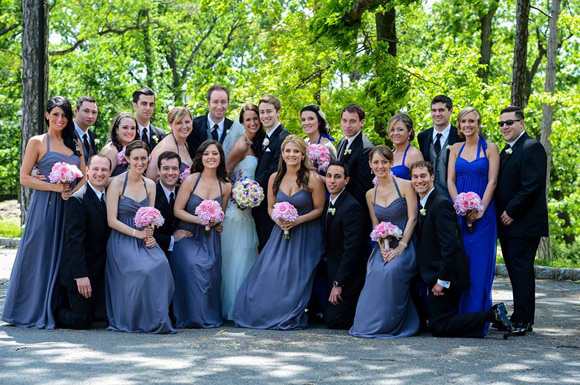
Carla and Aaron’s wedding day was absolutely perfect. After four days of rain and temperatures in the 40s, they were greeted with sunny skies and warm weather for their special day. Aaron claims he was so overwhelmed with happiness all day that he “couldn’t eat or breathe.” Now they’re looking forward to overwhelming each other with happiness for the rest of their lives! And they cannot thank the venue and vendors enough for everything to make the day perfect!

Mazel tov, Carla and Aaron!

New Jersey Jewish Wedding

CA2

CA3

CA4

CA5

CA6

CA7

CA8

CA9

CA10

CA11

CA00012

CA0012

CA012

CA12

CA13

CA14

CA015

CA15

CA16

CA17

CA18

CA19

CA20

CA21

CA22

CA23

CA25

CA26

CA27

CA28

Ceremony and Reception Venue: Richfield Regency
Wedding Planner/Coordinator: Blush Events
Photographer: Jeff Tisman Photography
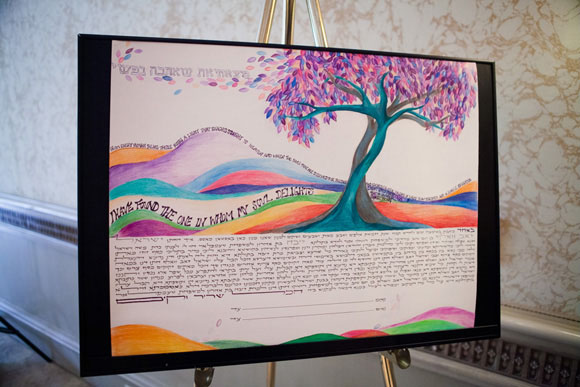
Ketubah: Custom Ketubah by Miriam Karp
Florist: J. James Floral
DJ: A Starry Night Music
Ceremony musicians: Elegant Ensembles
Videographer: INZI Productions
Dressmaker: Cymbeline and L’Fay Bridal
Photo Booth: Elite Photo Booths
Limo: D&G Limousine Service
Hair: La Sorella
Makeup: Jeanine Mangan

Wedding Programs for Your Jewish or Interfaith Ceremony

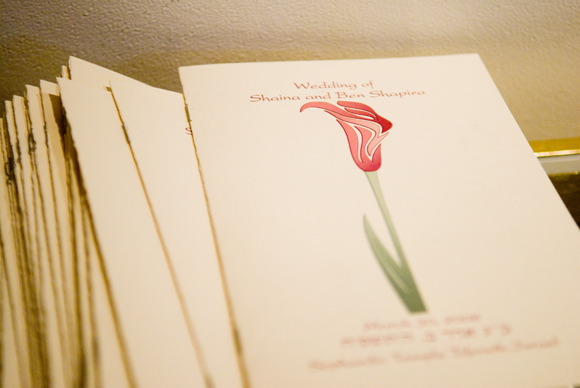
Are you providing programs for your guests? Programs are a great extra detail to create for your wedding ceremony. It’s a perfect place to welcome your friends and family, say thank you to those who made your wedding day possible, and even remember the loved ones who are no longer with you, but hold a special place in your heart and memory.

And, most importantly, it’s an ideal place to share some of the traditions your guests may see while you’re under the chuppah. Usually, a rabbi will lead the ceremony and describe what’s happening and why, but for those who want to take the program with them or if they missed the rabbi’s description, your friends and family can read about the beautiful traditions you’re including.

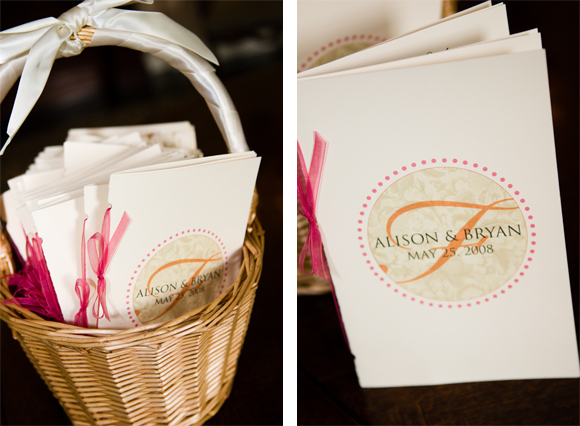
A typical wedding program will include the couple’s name, wedding date, and location on the cover. Inside, guests can usually find a welcome message from the couple, an ordered list of the people in the processional (officiant, parents, grandparents, bridal party, etc.), the order of the ceremony (this includes readings or songs and who will be performing them if it’s anyone other than the officiant), the traditions included throughout the day before, during, and after the ceremony, and an in memoriam-type of list.

This is a guide that has popular, mainstream Jewish traditions. If you are choosing to include other customs from another religion or culture, this would be a good place to add them. If your ceremony is more on the super reform side, you can tailor the wording and traditions listed below. And if you’re going ultra traditional, you’ll most likely need to add several more components. These selected traditions are from a modern, mainstream “conservaform” wedding and seem to follow the types of Jewish wedding ceremonies that visiting Yentas are designing. Feel free to “steal” what works for you and confirm with your officiant. It would be impossible to include every couple’s possible specific traditions and their “whys” and “hows” since all couples’ interpretation of Jewish weddings are different. So, I must reiterate, this is a skeleton, not a set-in-stone format.

Good luck! Email alison@theweddingyentas.com if you have additional questions!

Ketubah
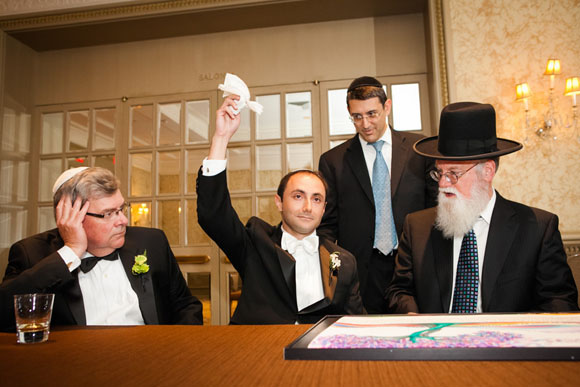
The marriage contract (ketubah) specifies the couple’s commitment to each other. The ketubah was signed during a ceremony before the wedding service and contains the signatures of the bride and groom as well as two witnesses who are Jewish and not blood relatives. The rabbi has also signed and dated the ketubah to make it official.

Bedeken
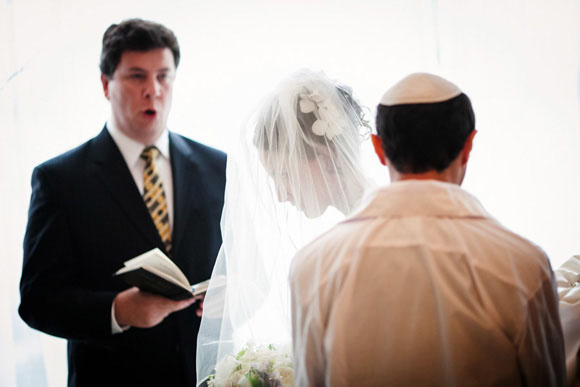
The bedeken is the veiling ceremony during which the groom placed a veil over the bride. This ceremony took place privately and is considered one of the most moving elements of a traditional Jewish wedding. By covering his bride with a veil, the groom ascertained her identity, and confirmed that he is marrying the woman of his heart’s desire.

Chuppah
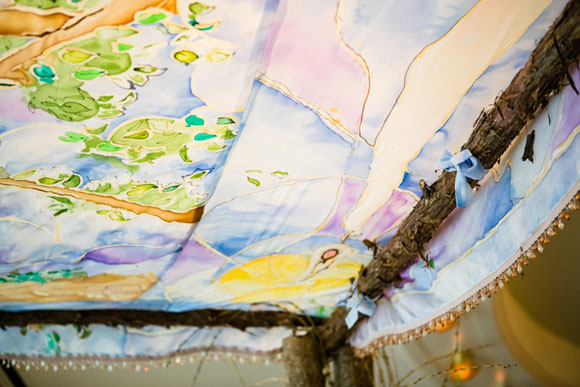
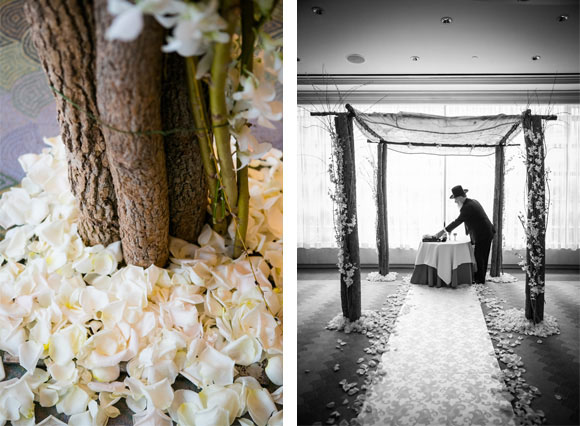
The chuppah is a canopy that symbolizes the home that the bride and groom will build together. The chuppah is open on all sides, also symbolizing that friends and family are always welcome in the newlyweds’ home.

Hakafot
The bride circles the groom (hakafot) seven times. Two interpretations of the significance: seven is the number of days of creation, and the wedding ceremony is the creation of a new household; seven is the number of times the phrase “when a man takes a wife” occurs in the Torah.

Wrapping the Tallit
During the final benediction, the couple is wrapped by a tallit (prayer shawl) around their shoulders. This wrapping symbolizes the private Jewish life the bride and groom will have together.

Breaking of the Glass
The wedding ceremony concludes with the groom breaking a glass under his foot. There are many significances behind this custom. One of them is that it is a reminder that relationships are as fragile as glass and must always be treated with care, love and respect. After the breaking of the glass, the guests yell, “Mazel Tov!” which means good luck.

Yichud
After the chuppah ceremony, the couple is escorted to a private room and left alone for a few minutes. These moments of seclusion signify their new status of living together as husband and wife.