Category Archives: Jewish Traditions

We’ve Got You Covered: A Bolero Look Book

Unless you’re shopping for your wedding dress at a Victorian-themed costume shop, most of the wedding gowns you’re seeing at mainstream bridal salons include some sexy attributes or cuts that reveal a lot of epidermis real estate. Whether you’re just not comfortable with how the dress fits your upper body or if there are dress code restrictions by which you must abide, The Wedding Yentas are here to reassure you that on your big day, you can look like a dream without living through any couture nightmares.

Many Jewish brides are unable to show their shoulders or open backs, specifically during the ceremony portion of the wedding. We understand that very traditional and observant brides will wear dresses that have sleeves and high collars the whole day. These styles of dresses are gorgeous and absolutely ideal for Orthodox weddings. However, for brides who practice a more reform or conservative denomination of Judaism, it’s possible that the synagogue, rabbi, or the bride’s own personal beliefs will guide her to keep her shoulders covered during the ceremony, but uncovering them for the reception. Always make sure to check with your rabbi first to make sure you’re on the same page regarding wedding attire.

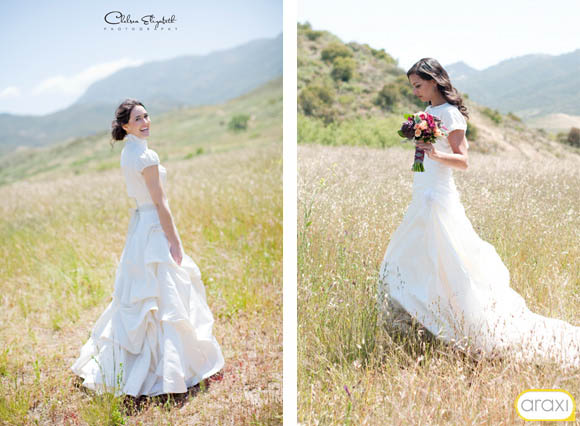
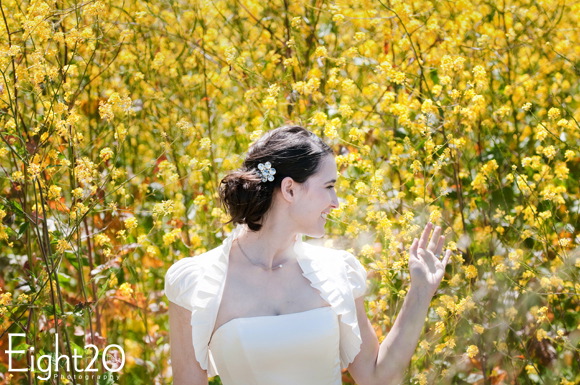
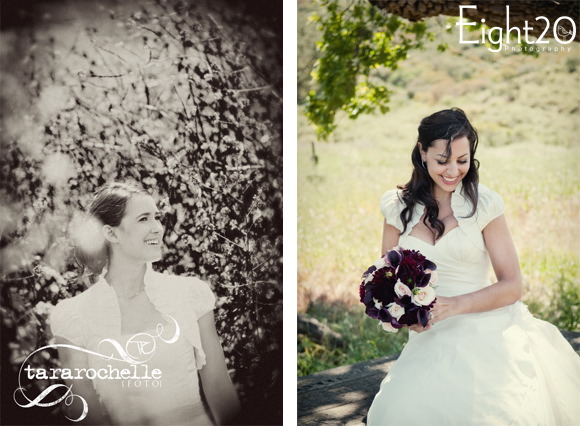
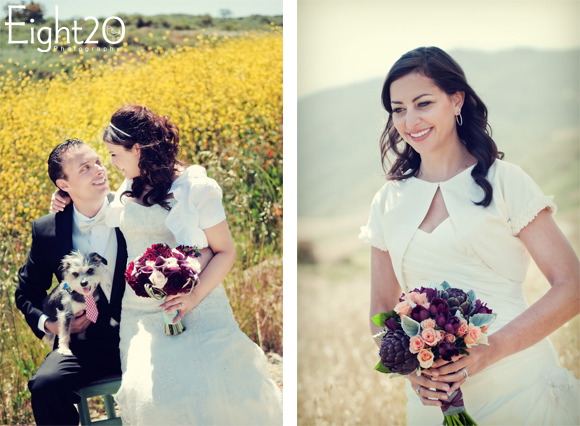
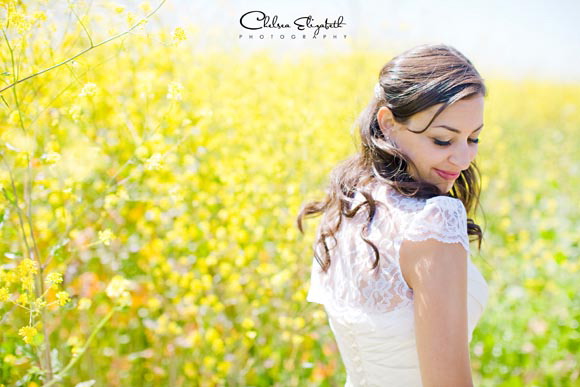
Instead of buying an additional reception dress, The Wedding Yentas have you covered for shoulder covering ideas. Gone are the days of shawls made out of yarn that clash with your raw-silk gown. We have found boleros for you that are stylish, modern, and provide the modesty you need to meet your one-and-only under the chuppah. These boleros are so good-looking, you’ll want to keep them on for the party, anyway!

On May 2, 2010, The Wedding Yentas produced their first ever photo shoot that included a fantastic team of wedding vendors that get 5 out 5 stars (of David) in our little blue and white book. You can expect to see more shoots like this in the future where we assemble a team of some of the best wedding vendors in the industry to show our readers just how to combine style with tradition. Producing these events gives brides a chance to see the latest and greatest in Jewish wedding planning while spotlighting vendors who are experts in their field. We hope you enjoy this 2-part feature because we are so excited to present to you The Bolero Look Book for Jewish Brides!

All of the boleros we feature can be made to order and purchased via the links below. We are showcasing artists who provide excellent customer service along with high-end product. We are happy to endorse these boleros and their talented creators!

Shauna’s World Online Store
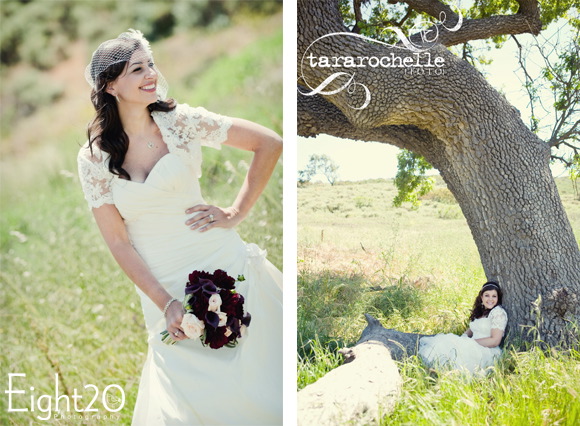
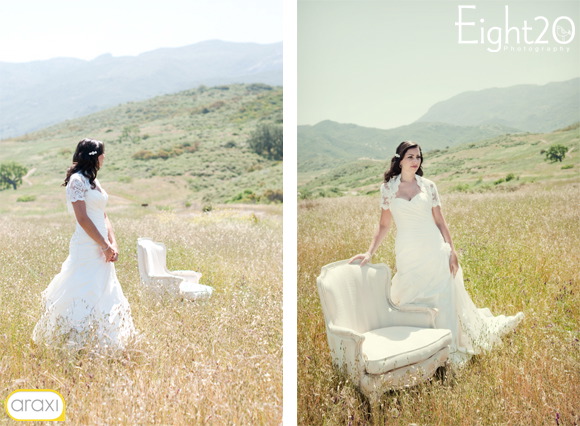
Shauna’s World offers classic boleros with quality lace and fashionable details that complement any style of wedding gown.
Mary and Angelika’s Etsy Store
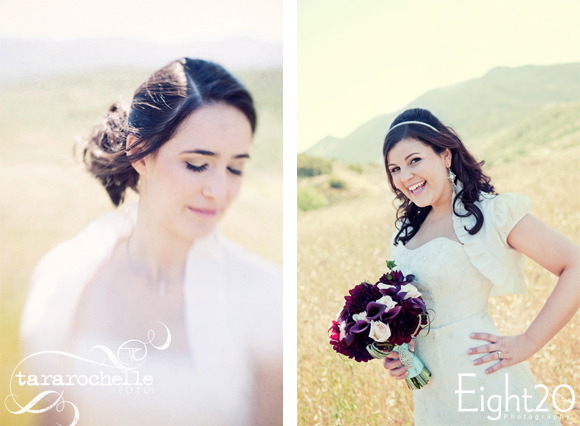
Mary and Angelika graced our models with their vintage-style boleros, featurng feminine details that would make Marie Antoinette squirm with jealousy. Forget diamonds; ruffles are a girl’s best friend.
Uptown Urban Craft’s Online Store
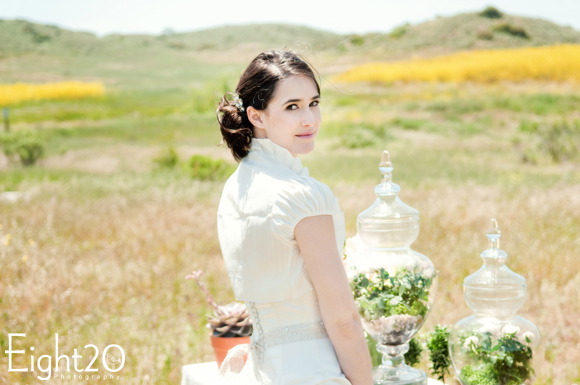
Uptown Urban fit right in with this rural photo shoot. The boleros provide a modesty that is both adorable and chic, allowing any bride to feel like she’s walking down a runway instead of an aisle.
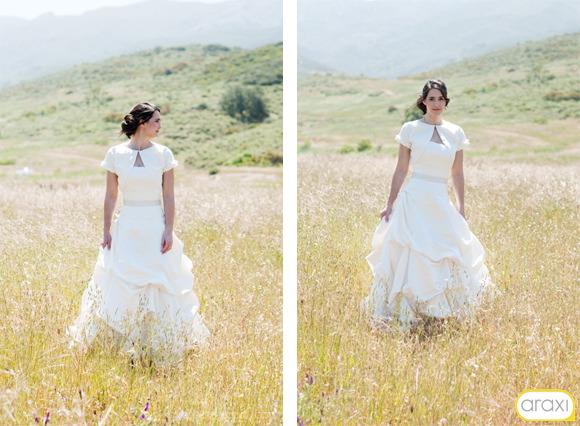
Gertie B’s Etsy Store
Gertie B gets an A+ for her delicate boleros! A bride who wears these boleros feels graceful and ladylike, as lace is the epitome of bridal.

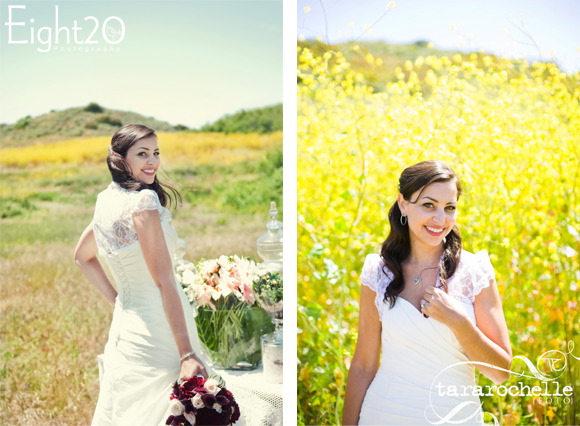
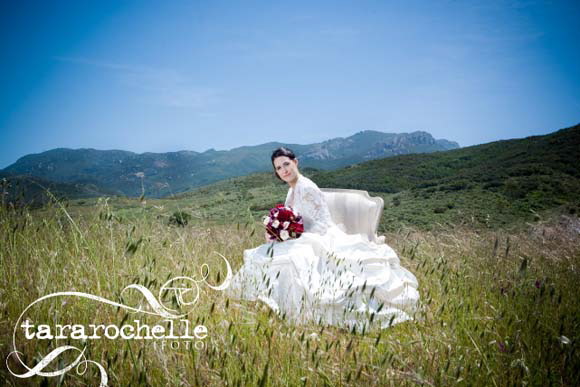
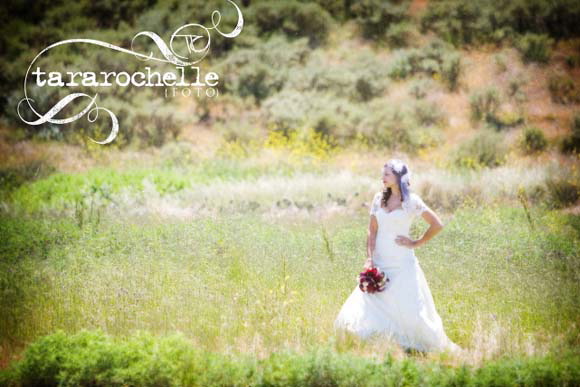
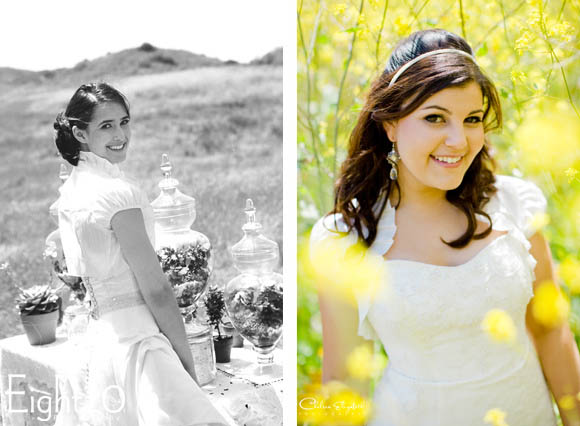
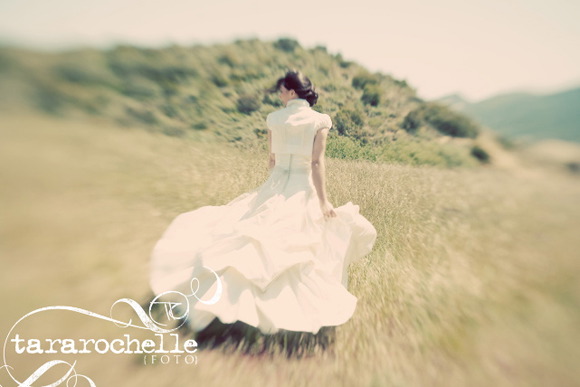
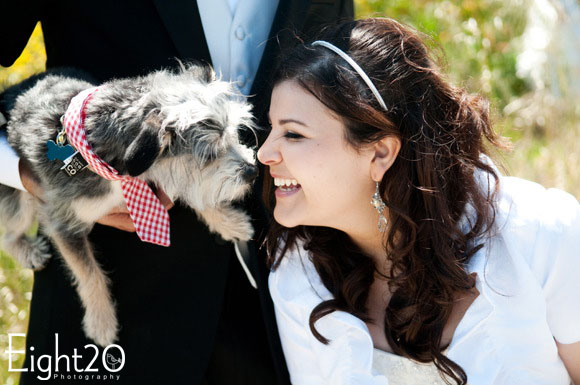
Our phenomenal photographers were Eight20 Photography, Chelsea Elizabeth Photography, Araxi Photography, and Photography by Tara Rochelle. They captured the models in the boleros perfectly, providing you a glimpse of how stylish you can look in your traditional wedding!

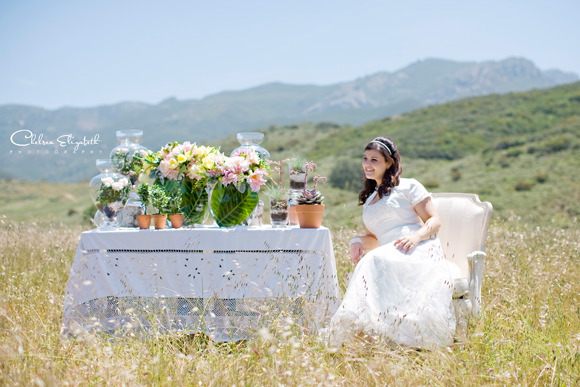
Alison Franchi of Le Petit Gardenia provided a table scape that would make Butchart Gardens envious! She assembled gorgeous bouquets for the brides and dreamy details all around. She is quite the floral artist and really helped set the tone of the shoot.

Susie Chhuor worked her magic on our three models and did a terrific job enhancing their beauty, creating a natural, feminine look. The makeup looked just as great at the end of the shoot as it did when Susie applied it.

Special Occasion Hair by Natascha designed hair styles that stayed in tact all day and emphasized the bridal look we wanted our models to showcase. Her diverse works of hair art definitely complemented the flowing styles we were featuring.

The fabulous designers behind these boleros provided us quality fashions and we couldn’t be more obsessed with them! On Wednesday, we’ll talk more about our awesome day and give you a behind-the-scenes view of the photo shoot, so visit us on May 12th to see how exactly The Wedding Yentas produced this day!

Can’t Get Enough Of The Aufruf

You and your groom have been planning for months and months, probably. Every conversation involves the word “wedding” and every time you see white, you get excited. The wedding planning process consumes a big chunk of your life, but the wedding festivities don’t really begin until about a week before the special day.
On the Shabbat prior to the wedding, the couple goes to synagogue and experiences the Jewish custom called the Aufruf. In modern congregations, the bride and groom experience this together, but traditionally, the Aufruf is when the groom is called to the bimah for an aliyah and recite a blessing over the Torah. Judaism honors children and the gifts they bring to the world. Creating children means continued faith and Torah study for the Jewish people. Therefore, it is no surprise that the groom’s aliyah includes reading the letters of the Torah, which contain the ten utterances of creation.

When the Aufruf takes place in relation to the wedding day varies depending on the family of Jewish people to which the bride and groom belong. Ashkenazi Jews enjoy the Aufruf ceremony on the Shabbat before the wedding. The Aufruf is held for Sephardic Jews on the Shabbat after the wedding. So, to recap: Ashkenazi, before; Sephardic, after. It’s even in alphabetical order and everything. Add that to the catchy methods to learn things like PEMDAS for math or Every Good Boy Does Fine for memorizing lines on a treble clef staff. But I digress…

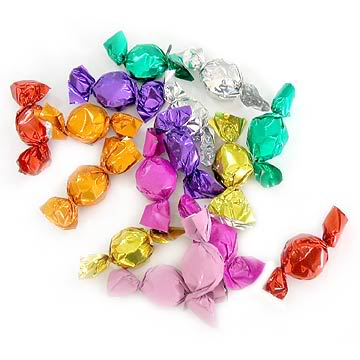
Here’s the best part of the Aufruf. The congregation throws candy at you!!! CANDY. Thrown. In your direction. It’s like Halloween for almost-married grown ups. Like everything in Judaism, it’s symbolic. The candy symbolizes a sweet and fruitful marriage blessed with many children.

After the Aufruf, the family hosts a Kiddush for the congregation. Clearly it is an unspoken Jewish law to eat after any sort of milestone, so Aufruf joins the company of such life cycle occasions.

Our Aufruf was fun and special. Just being up on the bimah together, holding hands, reciting an aliyah, and receiving the rabbi’s blessings reminded us that the wedding day was near where we would again be brought together under the chuppah to become husband and wife. If your rabbi offers an opportunity for an Aufruf, I highly recommend taking part in this custom because it’s a wonderful stepping stone on your path to the ultimate wedding experience.

Why You Should Yichud

I endearingly called May 25, 2008 The Wedding Olympics. No one was competing for any scores. There was no torch to light and pass. A Beatles medley played in place of national anthems. However, the day was full of events that had us leaping from place to place and it was tiring. We made it through on adrenaline and love, so the long jumps and the synchronized swimmings and badmintons of the day did not feel too exhausting. So as true athletes do (ohmygosh, I just had the audacity to compare my husband and myself to athletes… true ones, even), we basked in our glory and winnings (each other) and enjoyed some nice, quiet alone time after the ceremony, otherwise known as the yichud.

I’ll explain the traditional significance of the yichud, but I’m telling you now, that’s not exactly what we did!

The yichud translates in Hebrew to the word seclusion. Traditionally, unmarried men and women should never be secluded together so, in theory, the wedding day is the first time this ever happens between the bride and groom. This law came about after the rape of King David’s daughter when she was left alone with her half brother. It was then that David and his high court extended this prohibition to all unmarried girls. Typically, the laws of yichud are followed by Orthodox Jews but all Jews may interpret the laws to fit their ceremony or beliefs. In early historical times, the yichud was when the just-married couple would consummate the marriage and witnesses would be there to guarantee privacy and verify that it indeed happened because technically, this was a legal and required act.

Fast forward to 2010. Modern day traditional brides and grooms leave the chuppah and go directly to a private area or room for their yichud. For couples who chose to fast on their wedding day in order to start their life anew, this is when they would also break the fast and exchange gifts. Typically, the bride will bless the groom, saying “May you merit to have a long life, and to unite with me in love from now until eternity. May I merit to dwell with you forever.”

Not every modern Jewish couple chooses to enjoy a yichud after the ceremony, and that’s okay, too! Some just want to get right to the party or have to continue with photographs. My groom and I chose to do a very short and sweet yichud and it was one of the highlights of our day. Those ten minutes marked the first time we got to really talk and rehash our mornings and afternoons when we were apart. And we reminisced about the ceremony and the vows we said to each other and how the weather perfectly cleared up as we left the chuppah to “Here Comes The Sun.” We sat in a garden 50 feet away from our flower-kissed chuppah, hand in hand, excited for the kick ass party that was about to start inside, and gushed about the gold medal event that had just taken place: becoming husband and wife.

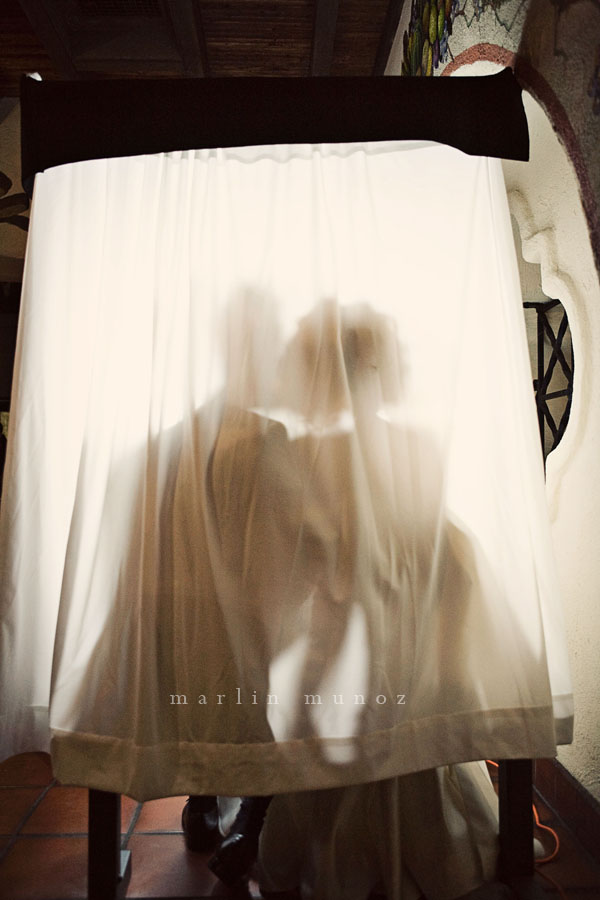
Image courtesy of Marlin Munoz

Think Ink

Before your public wedding ceremony, you’ll gather with your officiant and immediate family for the ketubah signing. I’ll talk about this in detail in future blogs, but this traditional ceremony essentially makes the bride and groom officially married. You’re signing the Jewish version of a marriage contract, so it’s important to be sure that your ink will last all the years to come.

So how do you choose a pen that embalms your Judah Hancock into foreverness?

Avoid pens that feather or bleed. You also want to be certain that your ink won’t fade over time, even if your ketubah soaks up sunlight and UV light. Waterproof pens are also a good idea because someone in your family will be crying tears of joy (I have my money down on a mom). Therefore, you should make sure to use an archival pigment ink pen, which you can find at any framing or art store.

Brands we recommend:

As you sign your ketubah, be sure the ink has dried before wrapping or rolling it up. You’d hate to smear your document!

And never, ever use a felt tip pen like a Sharpie because it will bleed into the paper and potentially damage any art on your ketubah. Leave any damages to the appropriate glass portion of the ceremony!

jewish-wedding-ketubah-signing

Images courtesy of Eight20 Photography. Ketubah designed by Rachel Deitsch.

Here’s A Grape Idea!

It’s a scene out of a movie… or “America’s Funniest Home Videos” depending how sick your sense of humor is.  During the wedding ceremony, a beautiful bride in a sparkling white gown receives her groom’s bar mitzvah Kiddush cup. She looks up at her handsome groom, feels butterflies and blushes over the excitement of the day, and just as she prepares to make contact with the cup, she presses her lips lightly on the surface to make sure that her lipstick stays in tact, and then it happens.

Red wine drips onto her perfectly pressed and clean dress and the crimson liquid continues to streak down every bead and patch of lace like rain drops on a windshield. It’s ruined. The dress is catastrophically ruined and the bride must go on with the evening in a wine tie-dyed shmata on the best day of her life, and no club soda will ever get out this stain.

Do we blame the ever-so-cared-for lipstick? The dashing groom and his distractingly handsome appearance? A faulty Kiddush cup? No. Because if the couple had selected white wine, this would have still happened, but it wouldn’t have mattered.

“But, dear Wedding Yentas, the go-to Manischewitz is red!!”

Not all Manischewitz and kosher wines are red, my young grasshoppersteins. There is white kosher wine and not only is it colorless, it is G.O.O.D.

No really, it’s delicious. You’ll want to stay under that chuppah and get married all evening, it’s that good. Keep it around for Passover and welcome Elijah an extra dozen times. That’s how yummy it is. We were advised to purchase white kosher wine on our wedding day and I’m so glad we did. We didn’t have any spillage issues, but it sure took my mind off any worry that wine would dribble on my dress. Not to mention, it helped make the kisses that much sweeter!

L’Chaim!