Category Archives: Inside Scoop

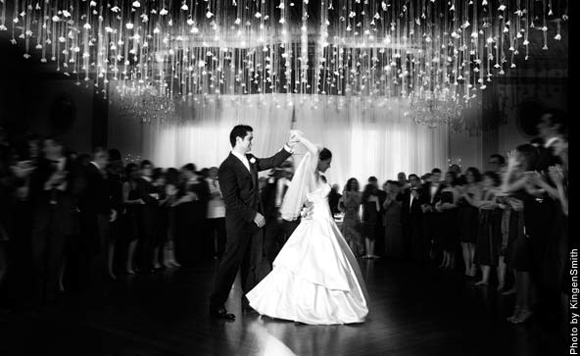
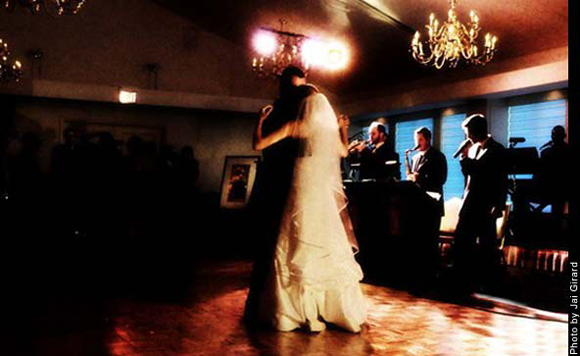
So You Think You Can First Dance

The order of the big day usually goes a little something like this:

  • Get dolled up.
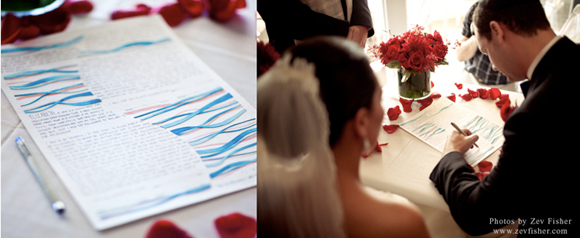
  • Sign that ketubah and make it Jewishly official.
  • Say “I do” under the chuppah.
  • Squeal with delight that you’re married — eeeeeek!
  • Take lots of photos so your cheeks hurt while guests make friends at and with the bar.
  • Assemble with the (intoxicated) bridal party and family for a grand entrance into the reception.
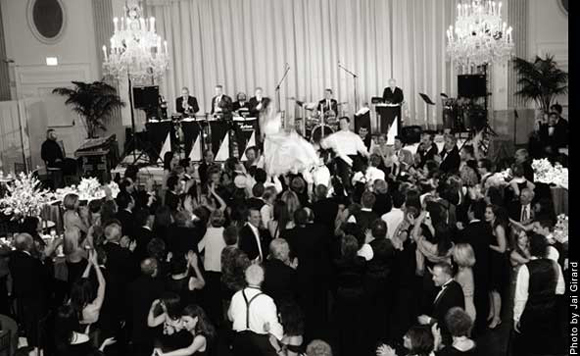
  • Hustle like you’re on “The Price is Right” down to the dance floor.
  • Receive your introduction as the new Mr. and Mrs. {insert your name here}.
  • Freeze like a deer in the headlights when you hold on to each other awkwardly like 7th graders at the Spring Fling as you wish away the next 3.5 minutes of the slowest song you should have never picked for your first dance.

Slow song, fast song, whatever — most couples are deathly afraid of performing that much-anticipated first dance for all of their family and friends to witness. The idea of improvising steps while having all eyes on you can be intimidating, but the first dance doesn’t have to be a stressful moment.
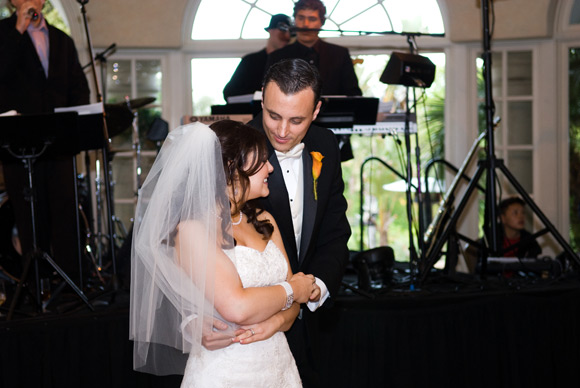
One of the tips I always pass along to brides and grooms is to take dance lessons and even take it up a notch: choreograph the first dance so you don’t have to worry about looking awkward during the song. You don’t have to work as hard or perform in a sparkly little number like the “Dancing with the Stars” cast (although, there is the perk of taking dance lessons and shedding some extra baggage a la Kirstie Alley…). Your guests definitely don’t expect a dance recital from you, but you might feel better knowing the dance is planned in advance. After all, you’ve already done so much planning and all that thought went into your perfect color scheme, the cake flavors, and the signature drink, so what’s another thing to plan?

Choreographing your first dance is also a great time to bond with your groom and get him involved in the wedding planning process. Having an excuse for a date night and shaking your groove-thing (or is it thang?) together really brings you closer and gets you both pumped for the wedding.
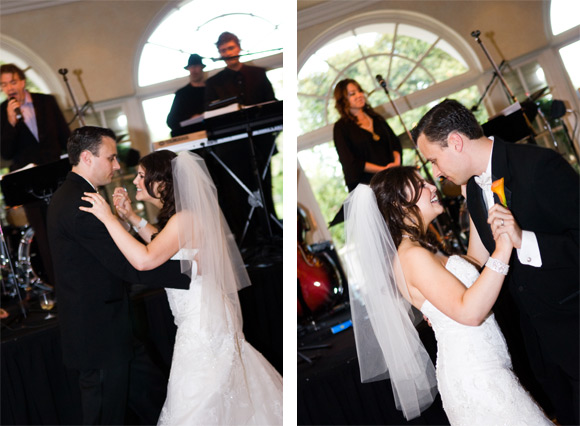
You can find dance lessons at a studio or hire a private choreographer. Give the teacher an idea of what you’re looking for. It helps to have the song in mind as well. Don’t worry about the steps being too hard; your choreographer will design a dance for you that fits your skill set. Even if it’s just a combination of a few sways and rock steps, you’ll feel good knowing that you don’t have to come up with the steps and their order on the spot.

Start the first dance choreography about a month or two before the wedding. This gives you time to learn the steps and then practice them at home in the weeks leading up to the big day. Bryan and I would clear out the coffee table in our living room and drill the steps until we could remember the order. We actually had a lot of fun and neither of us are exactly Fred and Ginger.
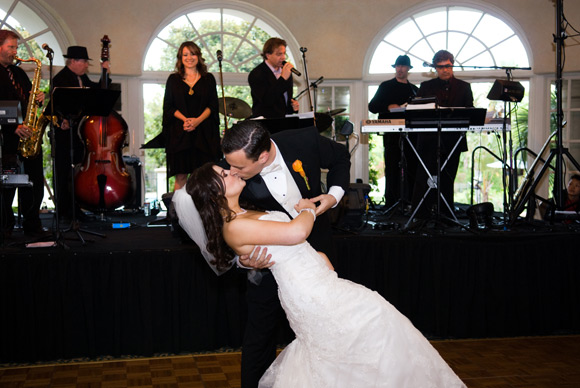
I’ve seen couples get fancy-shmancy with their dancey and do a full-on performance with “costumes” and everything. That is totally one way to do it! Go big or go home, right? But you can also keep it simple and be adored by your guests just the same. My one super-big, hard-core, must-know advice: Make sure someone who knows how to bustle your dress is nearby just before entering the dance floor for your song. My bustle came undone immediately because it wasn’t fastened all the way, and I ended up dancing like I was on a Slip and Slide and all I could think about was, “Left together, right together, oh crap, don’t snag the lace and crush the beads, rock step.” Hey, you live and learn.

Just remember: nobody puts Bride-y in the corner. Start dancing. You’ll have the time of your life.

*All photos by eight20 photography and video by Moonlight Video.

From The Expert: Catering Manager vs. Wedding Planner

Today, a real wedding expert is here to explain the difference between a Catering Manager at your venue and a Wedding Planner that you hire separately. So often, their jobs and duties get mixed up, but the owner of By Kerri Hatter has the scoop to make it easy to understand. Take it away, Kerri!

So often, we are told by brides that they don’t think they need our services because their
venue provides a coordinator. While that is true (the venue does provide a coordinator), the
responsibilities of a venue or catering manager are very different from a professional Wedding
Planner. Below are things you can expect from each one:

Catering Manager
The Catering Manager is your main contact, and usually your first through a tour, at the venue.
They are responsible for the sales of events. Once you have decided on their venue, they
produce your contract involving all the terms and financial commitments to the resort as well as
balancing out your final bill following your special day.

Your Catering Manager will host a menu tasting, assist you with food and beverage selections,
and educate you on how to reach the minimums required per your contract. They develop your
BEO (Banquet Event Order), which outlines your menu, rentals and anything else the venue
will be providing. They are also responsible for making sure that the Banquet Manager, who
manages all of the food & beverage and staff at the reception, is aware of all of your requests
regarding any venue service.

Catering Managers are responsible for the set up of all hotel related items on the day of the
event. Then they will oversee the ceremony and reception set ups to make sure all venue
contracted items are being delivered as promised.

At hotels, your Catering Manager introduces you to the reservations manager if you need
to book room blocks and oversees the details of the bride and grooms suite the night of the
wedding.

Finally, as the Catering Manager is in charge of the responsibilities solely related to the venue,
they can work closely with a professional Wedding Planner to ensure a successful event.

Wedding Planner
The Wedding Planner is responsible for coordinating and executing all of the wedding elements
not involving the venue and serves as an advisor/educator and mediator throughout the
planning. As an expert in the wedding industry, the Planner helps with etiquette specifically
related to weddings. He or she handles all of the time-consuming details and communication
involved with planning the wedding. The Wedding Planner is also the biggest resource because
they have many contacts in the industry and will be able to match each client with the right
professionals. Some services provided by Wedding Planners are:

  • Acts as a liaison between family, bridal party, the vendors, and the venue staff leading up
    to and on the day of the wedding
  • Attends the final meeting with the Catering Manager at the venue
  • Coordinates with the Catering Manager on the BEOs
  • Develops a timeline for the entire wedding day
  • Confirms all vendors and coordinates timelines and details with them to ensure all
    parties know what to expect on the wedding day
  • Conducts the rehearsal and reviews the itinerary with all family and bridal party
  • Sets up all wedding elements – guest books, place cards, favors, programs, table
    numbers, and any other items the bride and groom want displayed
  • Double checks all venue set ups to make sure they coordinate with the BEOs (seating
    charts, napkin folds, ceremony set up, linen colors, etc.)
  • Coordinates timing of ceremony and reception including grand entrances, first dances,
    speeches, and cake cutting
  • Collects all gifts and décor, and delivers to the appropriate location at the end of the
    night

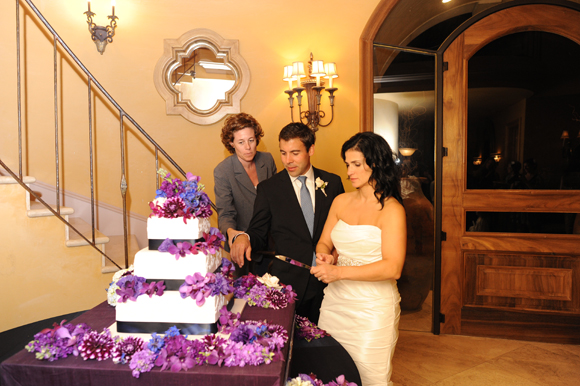
Kerri advises a bride and groom about the cake cutting.

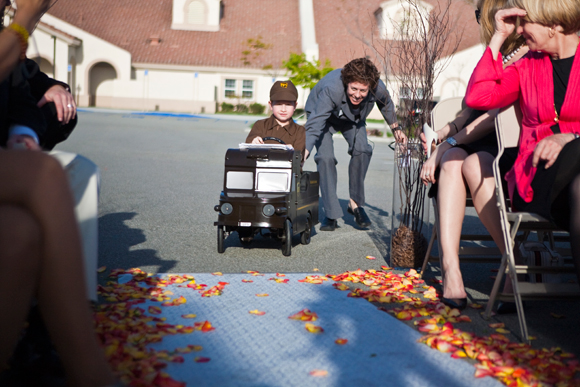
Kerri gives a push down the aisle to a young member of the wedding party.

Here is a great real situation from a recent wedding differentiating the two roles:
About 2 hours before the ceremony, I received a frantic call that the groom’s dad did not have
his tie for the wedding. He thought the hotel maids might have cleaned up the room and
thrown it away by accident! The Catering Manager has to stay on property at all times, so I sent
one of my assistants to the closest tie shop to buy a tie as close to the color of the rest of the
groomsmen. Crisis averted!

**************

Kerri started her career in event planning over 20 years ago, but found her true passion for planning when she got married in 2004. Having been a bride herself, she understands everything the bride and groom are feeling and knows how difficult it can be to handle all the details and keep everyone happy at the same time! Kerri’s easy going personality immediately puts her clients at east and her almost obsession with organization keeps them on track. Her innovative thinking and passion to help everyone she meets prompted Kerri to create The Wedding Workshop.

From The Expert: How To Hire A Wedding Band

Get your dancing shoes on and get inspired to start your search for your wedding band! Ken Arlen of Arlen Music drops by today for Part I of a two-parter that’s all about learning the ins and outs of hiring a group to play live tunes for your big day. Ready to start shopping for your band? Read on to find out how to successfully and intelligently check off this important item on your to-do list!

As a bandleader, I can appreciate the tough decision each bride and groom face when deciding on the best entertainment for their wedding. We all know that a great band or orchestra can make or break a special event. Although every wedding I perform is different and unique, I believe my clients are looking for one universal result – they want a combination of elegance and fun, with fun being the operative word!

“We want all of our guests on the dance floor celebrating with us all night!”

The experience of sharing this day with all of your friends and family is so powerful it is hard to put into words. I like to ask my couples, “If we are sitting here four weeks after your wedding, what had to happen for you to be completely thrilled with your celebration experience?” This is how I tune into what will make their wedding special and unique.

As I have grown my entertainment company over the years, I now have five bands that can deliver the above result. But my friends and clients often ask me, especially if my bands are not available, how do we decide? What process should we follow to find the best music for our wedding?

Here are six tips that I feel would be helpful:

1. Understand the lingo — everyone wonders about the difference between a wedding band and orchestra. A dance orchestra is a larger band, usually with multiple vocalists, a horn section, and a violin section. For example, my 15-piece Ken Arlen Orchestra has five rhythm, three horns, three violins, and four lead vocalists!

2. Recognize that you have to find a band that plays not only the music you like, but also music that will be received well by all of your guests including your friends, your parents’ friends, and your grandparents. This requires a high level of versatility and an extensive repertoire. There is no reason why your band should not sound incredible in all styles. No compromise!

3. Start by getting referrals from your family, friends, and especially other professionals in the event industry. When you think about it, photographers are a great referral source since their primary job is to document the experience in the room. Just like your bandleader, you are hiring them to pay close attention to everything that is happening. Many photographers tell me they love working with Arlen Bands because the guests are more animated and have more fun, thus the images they capture are more interesting!

4. Ask your venue for their referrals. Having a band that has experience performing at your venue and has a working relationship with the venue staff is a definite advantage.

5. Keep in mind that you may have a favorite club band, but if they do not have experience performing at a wedding, I can guarantee that you will not be happy with the result. Leading a band at a wedding requires a specific skill that takes years of experience to develop.

6. Look for a great bandleader. I often tell clients that great music is only half of what makes a wedding successful. The other half is the bandleader’s ability to read the crowd, customize the music to your desire, keep the pace of the evening as MC, and effortlessly implement a well conceived itinerary that flows from when the doors open to the end of the night!

Let’s assume after following the above advice you have your top bands lined up. Of course you will peruse their web site, but you need to take the time to meet with your prospective bandleader to make your best decision.

Come back on Thursday to read up on Part II from Ken Arlen to read about qualities to look for and rapports to have when selecting your dream wedding band!

****************

With over 25 years of experience and a stellar reputation with venues, wedding planners and past clients, Arlen Music has the knowledge, talent and resources to make your wedding reception one that you and your guests will never forget. The Arlen Music bands have ignited hundreds of wedding receptions with the unique Arlen Music style and contemporary music selection. Following the success of the Ken Arlen Orchestra, Arlen Music began offering additional bands in the KAO mold. Over the years, demand has led to more diverse offerings, ranging from traditional string quartets (perfect for ceremony music), and a variety of fabulous dinner entertainment such as a rock and roll violin show and Oh What A Night, a tribute to the hit Broadway musical Jersey Boys. Music plays a powerful role at your celebration. Make it memorable by contacting Arlen Music.

A Bride’s Involvement with Her Bridesmaids

A couple weeks ago, the post about the Maid of Honor’s role in the wedding party was a hit among Yentas readers and helped explain the duties for women waiting in the wings to fill those shoes.

The article talked about her MOH as the bride’s personal heroine of the wedding — the one who helps saves the day should anything go wrong or requires assistance. What the article did not touch on was a bride’s role in the wedding party as a whole, and how much of a role, if any — other than showing up, looking pretty, and saying “I do” — she should have with the other gals.

The post received a comment that is worth addressing for all to read as it is something I wondered as well when I was a bride.

The comment from Bride-to-Be:

This is quite a job! Why do I feel such guilt about putting so much work on a friend’s shoulders? How much involvement should a bride have with the bridesmaids beyond choosing them?

Thanks, Bride-to-Be, for your question and sharing your thoughts with the rest of the Yentas.

It’s not easy to be waited on, hand and foot, without any guilt. Even if it’s someone’s job — as it is the MOH’s — it’s difficult to accept such generosity and good intentions.

I say, accept it with grace! This is an appropriate time to count on your best girlfriends, especially your MOH, for anything. The day only happens once and the months and events leading up to it are a snapshot in time. The year-ish of wedding planning is not forever so the generosity and good intentions are really, actually, short lived.

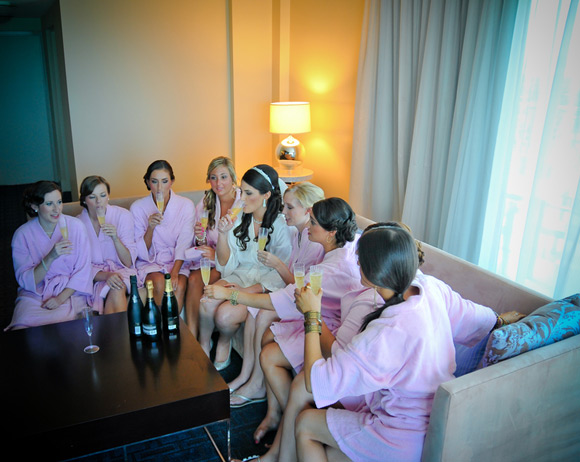
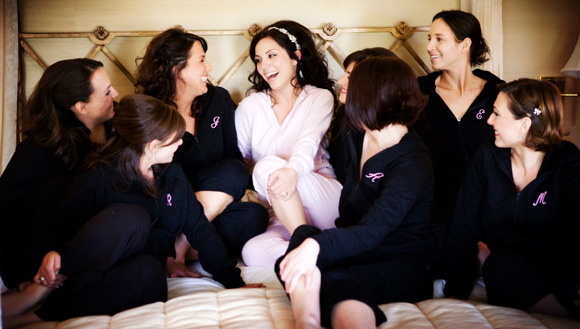
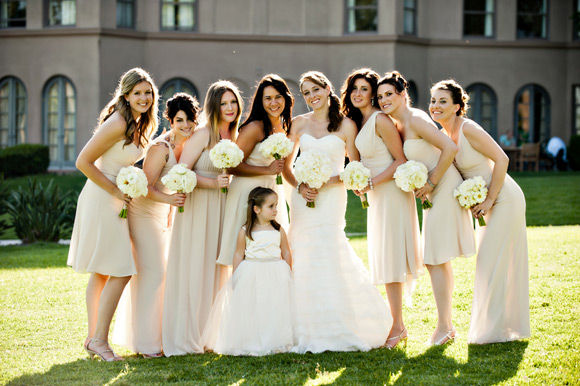
Also, a bride picks these special women not because they’re pretty and make great arm candy to the wedding scene. Okay, maybe that, too! But, really, a bride picks these special women because she knows she can count on them, she has a history of happy memories with them, and considers them to have long term presence in her life. If they were fleeting friends or unreliable women, a bride would — hopefully — not have picked them. Most likely, each friend serves a purpose. Maybe there’s the quiet listener who will provide the platform you need to share your ideas and feelings. Maybe there’s the funny one who will distract you when you’re stressed. Maybe there’s the crafty one who will help you sort out your creative ideas. Maybe there’s the knowledgeable one who’s been a bride before or has an inside understanding of weddings.

The Maid of Honor is the one you can count on, no matter what. And of course she doesn’t mind doing her job. In fact, it’s an honor. It’s in her title, after all.

So how much involvement should the bride have with her bridesmaids other than choosing them? Well, that depends on the type of wedding, girlfriends, and bride. Generally, I would say that the bride can give input to her MOH who is the Commander in Chief. For example, if a bride wants to make sure that her bachelorette party is not a chippendale’s fling fest and would prefer a tame and more G-rated spa day, then that would be a good reason for the bride to get involved. Should she plan the whole spa day down to the last cucumber water and hot stone? No, no! It’s okay to hint at what she wants, but it’s not okay for her to take charge and plan everything herself. Otherwise, what’s the point of having the support system?

When it comes to bridesmaid wardrobe or dates for events, the bride can again assume that her MOH will liaise with the rest of the party. The bride can tell the MOH the information about which shoes to purchase or the hair stylist’s rates, but she can just as quickly tell the MOH the information and then forget about it because her trusted confidant and partner in wedding crime will deliver the messages to the other gals so the bride can focus on her other lists, decisions, and ideas.

The bride can be involved, however, to show gratitude and appreciation. Thanking them through emails and words on the day of the wedding will always be welcomed. The positive experience that the bride creates for her bridesmaids will provide a positive experience for everyone.

So, brides, do not feel like you need to be busy with bridesmaid business. You chose these girls because you can count on them. Therefore, count your way to the chuppah and they’ll be there to greet you with smiles and love.

From the Expert: Ketubah As Fine Art: Part I

Today is Part I of a 2-part series by Ketuv, the website behind fine art ketubahs. The ladies of Ketuv discuss the importance of personalizing ketubah art to fit a couple’s style, history, and home. Not sure what to think about? No fear! Ketuv offers a lesson in ketubah art 101. Take it away, Ketuv!

You’re engaged. Mazel Tov! So begins the saga of wedding planning. You want to make sure it’s personal, that you and your partner are expressing yourselves in every little detail. And yet, when it’s time to choose a ketubah, you figure you’ll just find something with trees on it and call it a day, right?

Hold up. Long after the flowers wilt, and the bunted garlands come down, long after all the little details of your wedding day are preserved in photographs and sealed in an album on the shelf, your ketubah will still hang on your bedroom wall.

At Ketuv, our motto is that your love is unique, and your ketubah should reflect that. The ketubah is the first piece of artwork you and your partner will purchase together as a couple — the piece of artwork that makes you a couple, by Jewish law — and that’s a very special thing.

So why not go beyond the generic tree landscapes and watercolor Jerusalems and instead commision a real work of art by a contemporary artist?

For most people, the prospect of commissioning a work of art is an intimidating task. Here are a few tips for commissioning an artist to make your ketubah.

What’s Your Ketubah About?
Talk to your partner about what aspects of your relationship you would like your ketubah to highlight.

What do you feel is truly special about your relationship? For some couples, it might be the incredible way you balance one another. For others it might be a set of shared values. Be specific. You may or may not know how these ideas will translate into symbols or visual cues, but either way, don’t be afraid to write them down. These ideas are likely to become touchstones for the artist as they create your artwork.

You may want to think about the stories that are important to you as a couple: how you met, the moment you “knew,” a trip you took together. Your ketubah can depict, say, the park bench where he proposed, or a map of all the New York City apartments you both lived in before you met one another. At Ketuv, we have artists who specialize in everything from maps to portraits to family trees.

Start Thinking About Color
This could be as basic as wanting the ketubah to echo your wedding colors, or the colors of your home, or it could be more symbolic. I once had a couple who wanted their ketubah in red and blue because she was fiery and he was more calm. They wanted to highlight that balance in their color choice. Don’t be afraid to get creative!

How should my ketubah look? How do I choose an artist? This is often the hardest thing for most couples who aren’t themselves artistically inclined. At Ketuv, we like to think we’ve made this easy, as we work with more than 20 artists from around the globe, with a range of different styles. We’ve included portfolios of the artists’ personal work, so couples can browse and get a sense of the artists’ capabilities.

How do you even commission an artist to create your ketubah art anyway? Swing by tomorrow for Part II of the series!

———————-

Your love is unique. We think your ketubah should reflect that.

With the plethora of generic printed ketubahs available on the Internet, couples with a discerning eye have a hard time finding something that speaks to them. We formed Ketuv to provide couples with a fine art option in ketubahs, and to create an opportunity for innovative artists, with dynamic careers outside of the commercial and Judaica spheres, to create fresh, quality ketubah art.

Founded by artists Arielle Angel and Maya Joseph-Goteiner, Ketuv is committed to creating new opportunities for artists in the marketplace, with the ultimate goal of allowing artists to pursue their craft sustainably and with integrity.

Ketuv is also committed to honoring the diversity of the Jewish people, as well as people influenced by the Jewish tradition. While providing quality wedding and anniversary ketubahs for Jewish couples of all denominations, we also pride ourselves on offering progressive options in wedding artwork for same-sex, interfaith, non-denominational and non-Jewish couples.