What Does A Maid of Honor Do?

It’s Purim so naturally it’s the appropriate time to talk about your wedding.

[[record scratch. Whaaaat?]]

Go with me. I promise this makes sense.

Okay, so long story short, Purim is the holiday where we celebrate and read the Book of Esther and remember that she stood up to Haman (Boooo! Hisssss!) who hated the Jews and wanted them to go bye bye (Dear Jewish Enemies, We’ve heard this story before. Though small, we’re strong and powerful, so please go away. Kthanxbye. Love, The Wedding Yentas). Esther foiled Haman’s (Boooo! Hissss!) plot to exterminate the Jews by telling the king that he was, well, a jerk. The king was unimpressed with Haman’s (Boooo! Hissss!) plan and, well, the dude got what he deserved: a little trip to the gallows. Now who went bye bye? Good job, Esther! From that pretty punim, we now have Purim!

So, Esther saved the day! And a few thousand years, too. And she’s known as the Jewish people’s ultimate heroine. I mean, who doesn’t want to be Esther in the Hebrew school Purim play? You get to wear a pretty dress and save the Jews.

Hmmm… pretty dress and save the day. Who does this describe in your wedding party?

Your maid of honor!
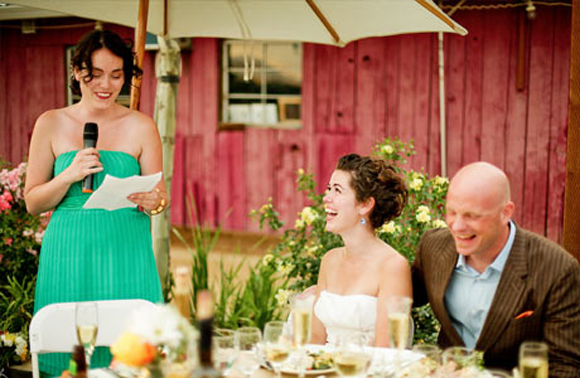
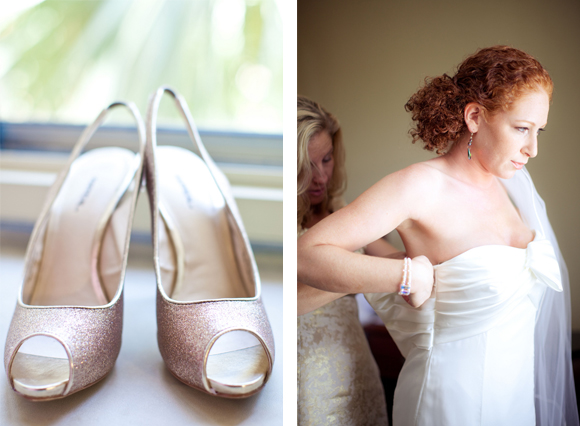
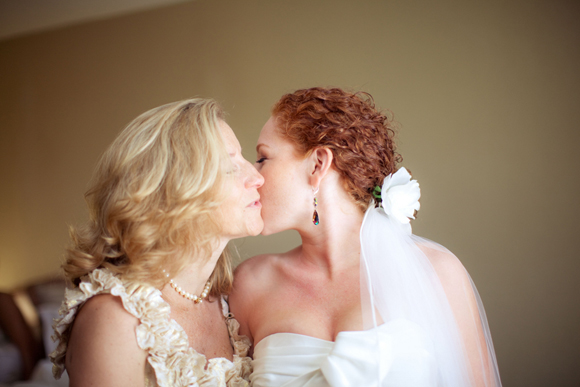
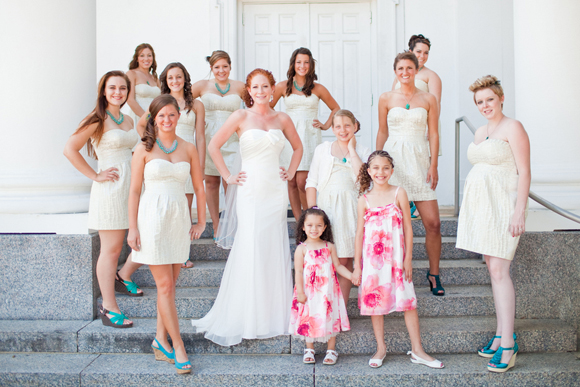
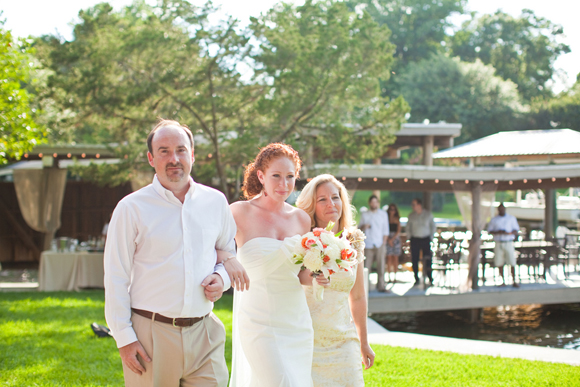
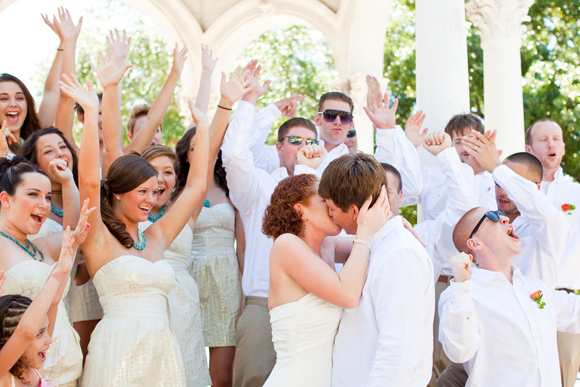
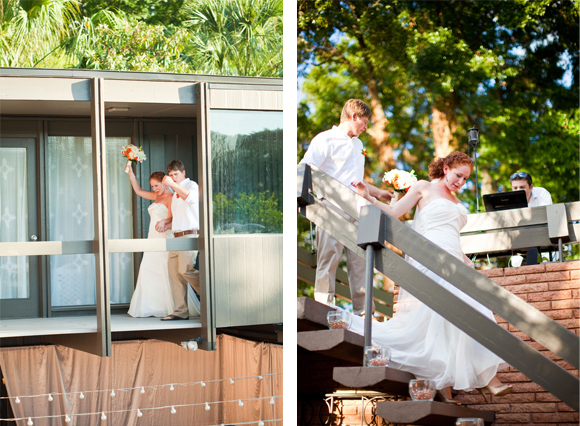
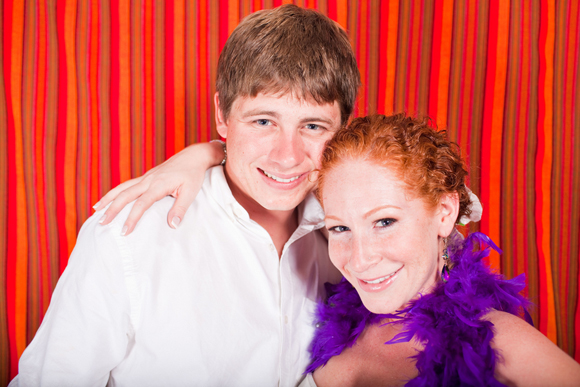
Photo by Jen Huang Photography

A maid of honor should resemble the same qualities as Esther: strong, determined, creative, and thoughtful. Most of all, your MOH should have your back, just like Esther had, well, an entire group of peoples’ backs!

Not sure who your own personal Esther should be? Unclear about the duties of an MOH? Read on and give great thought to choosing your heroine for the day.

Your MOH will…

  • Lead the bridesmaid brigade! It’s the MOH’s job to communicate with the rest of the bridesmaids any issues regarding shower planning, bachelorette partying, dress shopping and selection, and dress fittings. Your MOH should also communicate the wedding weekend’s events to the gang to make sure everyone is looped in on rehearsal dinner, rehearsal, getting ready, and photo festivities.
  • Pay for their own bridesmaid ensemble. MOHs can expect to dish out some cash for a dress and shoes.
  • Assist the bride in some prewedding tasks that require help. Whether it’s assembling invitations, helping choose wedding colors, or smiling and nodding about the details of each flavored tier of the wedding cake, the MOH is the first sounding board (other than the groom maybe) that the bride may consult.
  • Make sure that everyone knows where the nearlyweds are registered! Registry information should never be on the formal invitation, but it’s up to the MOH to let people know where the couple has desired gifts registered. Methods of doing this: wedding shower invitations, web sites, rehearsal dinner invites, and answering when people inquire.
  • Handle the gown when the wedding is over. Chances are, the bride is not going to need to take her wedding gown with her on her honeymoon (although, it’s tempting. It’s so hard to leave THAT DRESS). So, the MOH should arrange with the bride where the dress will go when the night is over and handle it for her.
  • Play secretary! At showers, the MOH should record the gifts from each guest as the bride opens them. That way, she has a cohesive list for thank you notes. If the MOH can’t accomplish this task for whatever reason, she should make sure that someone is appointed to this task.
  • Hold onto the groom’s ring during the ceremony. Big job! No pressure! One place to hold it safely is actually on the MOHs thumb. Most likely, it’ll fit and stay in place and then it’s handy (haha, no pun intended) for the ring exchange.
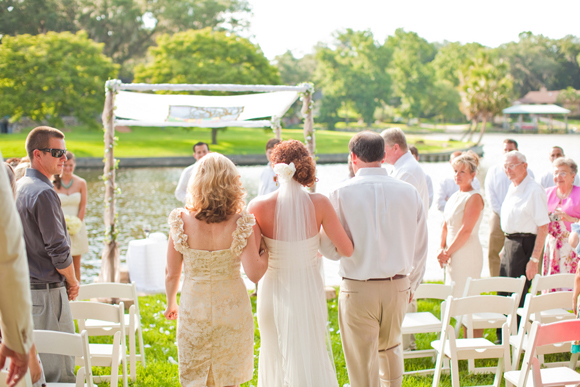
  • Pretty up the bride! The MOH makes sure the bride’s dress lays nicely and that the train is arranged properly when she reaches the chuppah at the beginning of the ceremony. Also, the MOH should know how to bustle the bride’s dress so that she can dance during the reception.
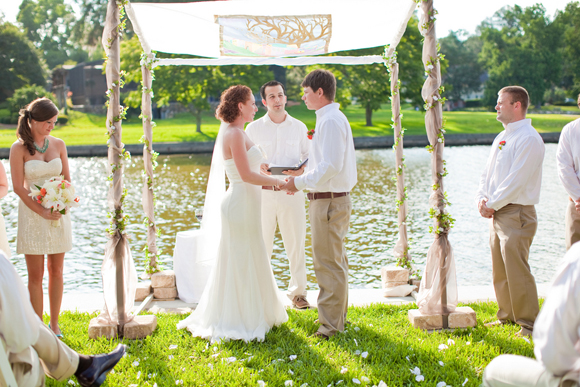
  • Hold the bouquet during the ceremony. The bride will need her hands free at certain points of the ceremony so the MOH, who stands next to the bride, should hold her own bouquet and the bride’s until the final “mazel tov!” At that point, the MOH should make sure to hand the bouquet back! No bride should walk back down that aisle with naked hands!
  • Take care of the bride — she’ll be a little scatter brained. So, the MOH should make sure that the bride has something to eat throughout the day like light snacks that won’t stain any clothes or mess up makeup. It’s also a good idea for the MOH to have the bride’s lipstick or lip gloss on hand so she can help with touch ups throughout the reception.
  • Be the belle of the ball… besides the bride. If there’s a dance that calls for the bridal party to dance together, the MOH will usually dance with the Best Man. So, um, make sure they like each other enough… or know each other.
  • Toast the couple! Usually, the Best Man and the MOH make a toast to the couple. Stay tuned for an upcoming post about toasting etiquette. But, bottomline, it should not be terribly long and the toast should include the bride and the groom and not be a roast of the bride. Save that for the bachelorette party!
  • Play therapist. There are a lot of emotions that run through a woman on her wedding day. So, the MOH must have a listening ear and be a positive crutch for the bride. Laughter, comfort, and a calming presence are perfect qualities for an MOH to embody.

So, as you can see, the MOH really is the bride’s hero, her Queen Esther, on her wedding day. Choose wisely! And enjoy this ride with your very best friend. It’s an honor and an adventure and the whole megillah.
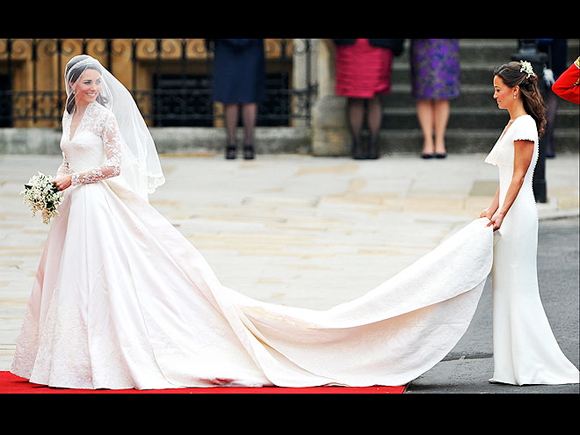
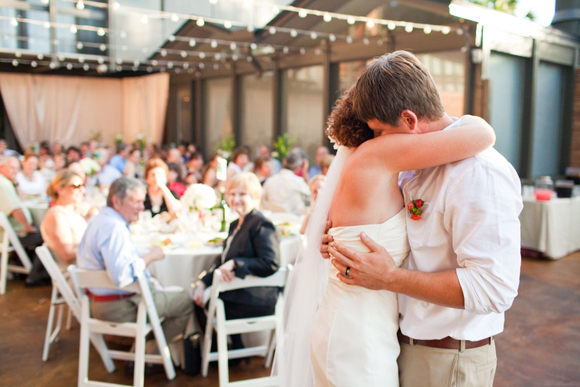
A famous MOH doing her job.
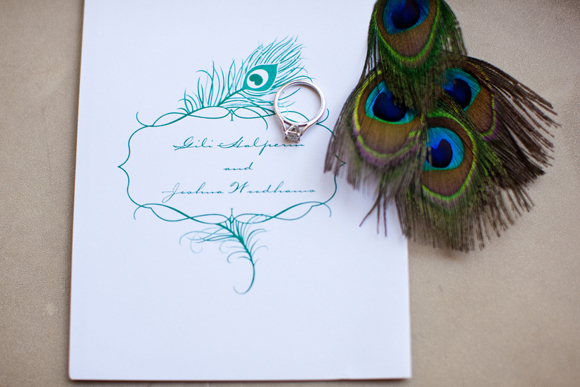
Real Jewish Weddings | Jacksonville, FL

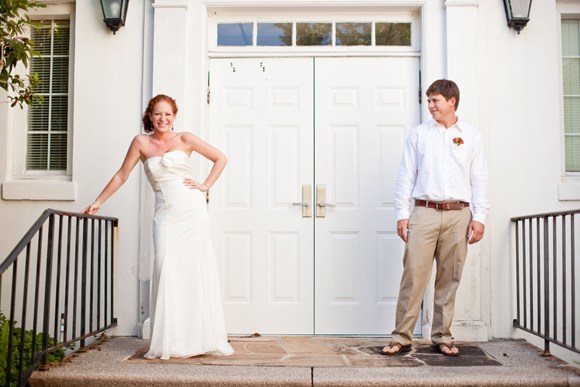
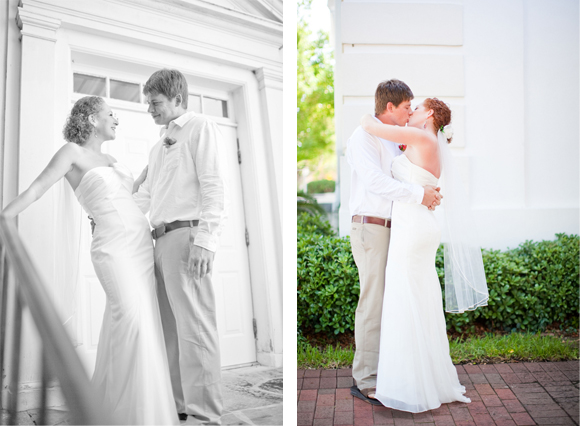
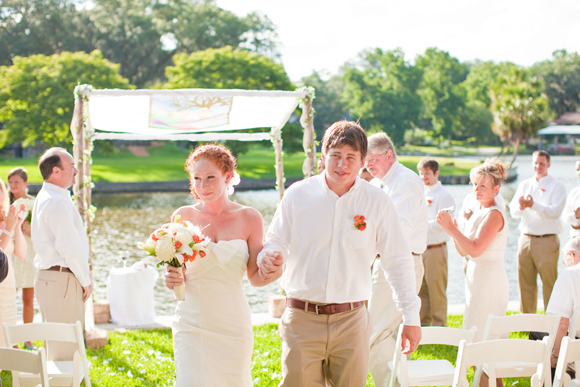
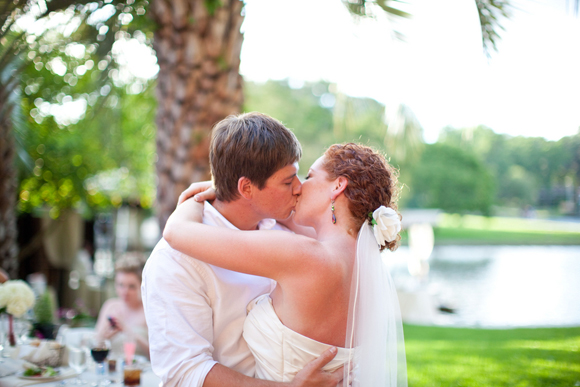
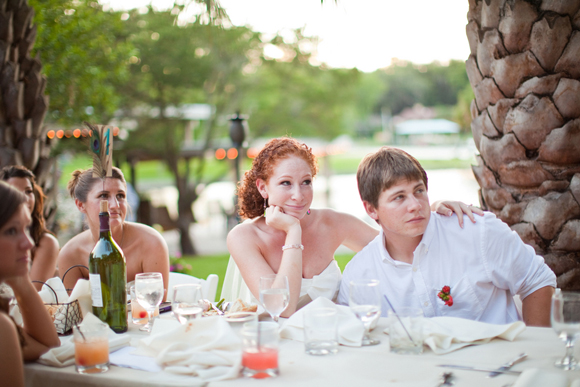
“It was another day in paradise” read Gili’s Facebook status. That was the morning the love of her life, Josh, asked her to be his. That was the morning before he slid her beautiful diamond onto her finger as he knelt on the wooden bridge over the water. Three months later, as the willow branches swayed in the wind and the sunlight lit up her vibrant curls like fire, she said “I do, forever.” Tears fell from her eyes as the man of her dreams stood before her, pledging his life to guide her, protect her and cherish her. As the two shared in Gili’s Jewish traditions, beams of sunlight danced across the lake. There, under a chuppah in her parents backyard, the two became one in front of their beloved friends and family.
Mazel tov, Gili and Josh!

real-jewish-weddings-|-jacksonville,-fl

real-jewish-weddings-|-jacksonville,-fl

real-jewish-weddings-|-jacksonville,-fl

real-jewish-weddings-|-jacksonville,-fl

real-jewish-weddings-|-jacksonville,-fl

real-jewish-weddings-|-jacksonville,-fl

real-jewish-weddings-|-jacksonville,-fl

real-jewish-weddings-|-jacksonville,-fl

real-jewish-weddings-|-jacksonville,-fl

real-jewish-weddings-|-jacksonville,-fl

real-jewish-weddings-|-jacksonville,-fl

real-jewish-weddings-|-jacksonville,-fl

real-jewish-weddings-|-jacksonville,-fl

real-jewish-weddings-|-jacksonville,-fl

real-jewish-weddings-|-jacksonville,-fl

real-jewish-weddings-|-jacksonville,-fl

real-jewish-weddings-|-jacksonville,-fl

real-jewish-weddings-|-jacksonville,-fl

real-jewish-weddings-|-jacksonville,-fl

real-jewish-weddings-|-jacksonville,-fl

real-jewish-weddings-|-jacksonville,-fl

real-jewish-weddings-|-jacksonville,-fl

real-jewish-weddings-|-jacksonville,-fl

real-jewish-weddings-|-jacksonville,-fl

real-jewish-weddings-|-jacksonville,-fl

real-jewish-weddings-|-jacksonville,-fl

real-jewish-weddings-|-jacksonville,-fl

real-jewish-weddings-|-jacksonville,-fl

real-jewish-weddings-|-jacksonville,-fl

real-jewish-weddings-|-jacksonville,-fl

real-jewish-weddings-|-jacksonville,-fl

Photographer: Olimb Photography
Flower Provider: Pennock Florists
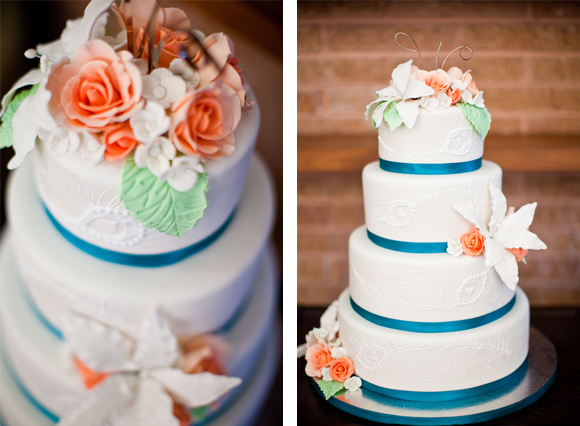
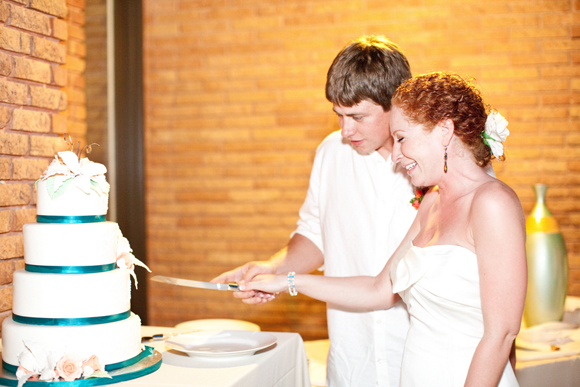
Cake: Sugar Dreams Cakes and Things
Caterer: The Chef’s Garden
Dress: LOVE
Veil: Bridal Shop at the Avenues

From The Expert: Create Your OWN Interfaith Wedding

Daniel Sroka is the artist and owner of Modern Ketubah. He creates modern fine art wedding ketubahs from his abstract photographs of flowers and leaves for interfaith, Jewish, and multi-cultural couples. The first ketubah he ever made was for his own wedding. He and his then-fiance, Cara, wanted to make sure they loved the artwork to proudly hang it in their home, and they also wanted to be sure that the text and symbolism was meaningful, especially as an interfaith couple. They decided that his fine art photography would be the ideal style to express their marriage, as many other ketubahs they saw while shopping were adorned with Jewish symbols, and did not match their taste or represent them equally. Since then, Daniel has successfully built a ketubah business that honors individual style and spirituality.

Interfaith weddings can be the most beautiful of wedding ceremonies. Of course, being in an interfaith marriage myself, I may be biased! But when interfaith weddings combine the traditions and practices of both the bride and groom, I find that they become something special, transcending rote ceremony and becoming a uniquely personal celebration.

The way an interfaith ceremony gets created is the key to its beauty. Couples who are from the same religion can pretty much take their ceremony for granted. They can visit their priest or rabbi, get the template, make a few tweets, and know they’ll have a 100% legit ceremony. Interfaith couples, on the other hand, don’t have this luxury. They have to creatively blend together the different parts of their traditions to craft a working ceremony.

The challenge of creating a ceremony often makes interfaith couples nervous and full of questions. How do you do it? How do you make it feel “real” enough? Will any of the relatives feel left out? But even though these questions can be nerve-wracking, they are the foundation of what makes an interfaith ceremony so special. Because interfaith couples can’t just take an off-the-shelf ceremony and call it a day, they need to think through every aspect of their wedding, considering every detail. This, I believe, results in a very meaningful and powerful ceremony.

Artist Daniel Sroka and his bride with their interfaith ketubah he created.

In order to combine two different wedding ceremonies, interfaith couples have to review all of the practices within their religions’ ceremonies, and decide what to keep, what to change, and what to leave out. To do this, they first need to help each other learn, teaching each other about their religion’s traditions, symbols, and ideas about marriage. As my wife and I planned our own ceremony, we didn’t just learn about each other’s religion – we rediscovered our own, often surprising ourselves with what really mattered to us and what didn’t. We then went through each wedding tradition, discussed it, and decided if we wanted to include it in our ceremony, and how. Each part of our wedding was therefore a conscious choice. Each part of our wedding was born out of a deep discussion, and reflected a shared value.

The creation of the ceremony helped teach us how to discuss our differences, and find our similarities. Explaining the ceremony to our families helped us better understand our decisions and values. Even the experience of being a part of this blended, shared ceremony helped bring our families closer together. So while creating an interfaith wedding ceremony can take a lot of thought and planning, I believe it is worth it because your wedding becomes a celebration that truly represents who you are.

Left: The Srokas' ketubah and unity candle. Right: One of Sroka's ketubahs called African Lily

THEY WON A KETUBAH!

What a fabulous month it has been! Entering, liking, voting, commenting — all of it has been so fun and The Wedding Yentas would like to thank the fabulous MP Artworks for sponsoring this exciting ketubah giveaway!

Thank you to everyone who voted — hope you will continue to visit The Wedding Yentas and stay up to date on the trends, traditions, and photo eye candy of Jewish weddings!

Ketubah candidates — you are all so lucky to be getting married to your b’shert, the one you’re meant to be with. Have an amazing engagement and enjoy the rest of your time planning and counting down to the big day. It really is the best day of your life and your days together will only grow with love and laughter. Wish you could all win your own ketubah! Be a star on The Wedding Yentas and make sure you submit your weddings to be featured on a Tuesday Real Weddings showcase! It would be great to see your faces again… but MARRIED!

Now, the tallies have been counted … and counted and counted and counted. This was closer than we could have ever imagined! Toward the end, the competition was neck-and-neck, but through two Facebook pages, a Twitter hashtag, and a series of comments on The Wedding Yentas, we have a winner.

On July 1, 2012, Rebecca and Daniel will sign their ketubah that they won from MP Artworks and The Wedding Yentas!

Rebecca and Daniel: July 1, 2012

Mazel tov to you two!

And many mazels to all of our ketubah candidates!

Taking the Mystery Out of the Mikvah

******** THIS IS A STICKY POST THROUGH 2/29 ********
All of the MP Artworks ketubah couples are excited for your votes! We are one day closer to announcing our ketubah winners! Voting is open right now and goes through February 29 at 11:59 p.m. PST. The winning couple will be announced March 1. Find your ketubah couples here! Voting can take place on Twitter by mentioning your favorite couple and using hashtag #TWYGiveaway, The Wedding Yentas Facebook page, or the MP Artworks Facebook page, or the Ketubah Couples website page. Votes on any other page of The Wedding Yentas web site will not be counted.
********

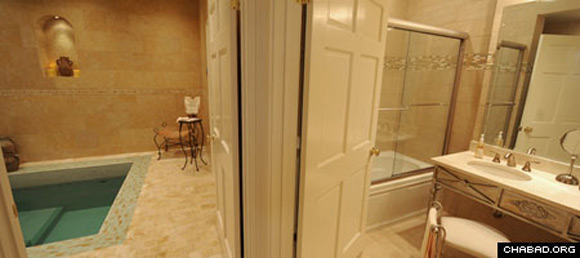
For once, how would you like to get in the water and not have a care in the world about your hair getting wet or being self-conscious over your body? For once, how would you like a renewing experience that makes you feel alive, regenerated, and part of a tradition that spans from generations to generations? Mikvahs are not just for converted Jews. A bride may take a mikveh bath to ignite the start of her journey as a new, Jewish, married woman.

The mikvah, which is done as close to the wedding as possible, symbolizes a sort of rebirth or new life that the bride enters upon her upcoming marriage. The mikvah is a natural body of water, whether it’s a lake or a stream or a man-made pool that feeds from natural waters and resources, like rainwater or melted snow. Cool fact: There are 40 seah each (seah is a unit of measuremement; 40 seah equals about 200 gallons) of water in a mikvah and according to Sharon Shenker, founder and teacher at the Jewish Marriage Institute, the number 40 has significant relevance in Jewish history and culture.

“It is something that has linked the Jewish people together for thousands of thousand of years,” says Shenker. “Wherever you find a community, there is a mikvah there.”

Some interesting connections between the number 40 and rebirth: The rain fell for 40 days in the story of Noah and surrounded the world with water; The Hebrew people lived in the Sinai desert for 40 years and it is said that 40 years represents a period of time for a new generation to be born; Babies are in utero for 40 weeks and come out of the water at birth, purified and clean. There are hundreds of examples associations with the number 40, but perhaps the latter listed here is the most significant to the mikvah.

If you think about it, in Judaism, water is seen as a cleansing element, symbolizing revitalization in various forms of ceremonies and rituals. At Passover, we wash our hands at the seder; after a funeral, we wash our hands after leaving the cemetery and before entering a home; and of course, after a conversion, a new Jew will take a mikvah to mark his or her refreshed status as a Jewish person. So, it’s only fitting that prior to the simcha of a wedding, a bride may choose to mark her new life with a water purification and rebirth. After all, marriage brings change into a bride’s life, and this ritual acts as a preparation for that change. According to Shenker, “mikvah enables you to change your spiritual status.”

Many women may find mystery or awe in the mikvah experience, but it’s not eerie or something to fear. In fact, many modern mikvahs are creating a spa-like ambiance to appeal to current women. Typically, a modern mikvah has a changing room, a preparation room, the actual body of water itself, and a drying room. Some mikvahs even have specially-arranged bride hours! There can sometimes be a wait, but it’s a useful time to meditate, write, or enjoy the solitude and internal experience. We rarely get a break from our work and play lives to devote to just ourselves. Daydreaming about your future ahead and the plans you two have together is some of the most relaxing and rewarding type of meditation.

Before entering the mikvah, you will completely purify yourself. Think about a baby in the womb: nothing comes between a baby and the surrounding waters. It’s the only time in a human’s life that the baby will be absolutely free of any other substances and stimuli. A mikvah is your chance to seek that similar type of purity. So, preparing for your mikvah includes everything from a body rinse, hair detangling, total makeup and nail polish removal, and detaching any other unnatural elements from your body. This is a wonderful chance for you to get to know every inch and nook and cranny of your body. It’s beautiful, and every part has served a purpose for you and will continue to meet your needs as you hold your partner’s hand on your honeymoon or cradle your baby years from now. You can even pamper yourself! Use your favorite scrub or loofah to really get down to business on your parts. You are giving yourself the royal treatment because, girlfriend, you are the queen!

After your preparation bath, a mikvah attendant may go over all the steps to make sure you prepared properly. She’s looking out for your ultimate mikvah experience. Then, she’ll probably offer you a robe or gown to keep your body pure and honor your privacy as you head to the mikvah water.

Once at the mikvah water, you’ll walk down the steps to a full immersion as you dunk your body completely into the water, toes to head. This will make your mikvah kosher and the attendant will declare it so. One plunge satisfies the requirement, but three or seven immersions can be tradition as well, depending on your affiliation or family customs. If there are women in your family who have done mikvahs, ask them what they do. Or, of course, you can talk to your rabbi. If you’re a rookie, you can either take it upon yourself to follow the customs or create new ones for yourself. That’s the beauty of a mikvah. It’s about you.

“It’s one of the only things in Judaism you do with your whole body,” she says. The other two are sitting in a sukkah and walking through Israel.

After your mikvah, once you have finished your immersion, you may then recite to yourself:
Baruch Atah Ado-nai Elo-heinu Melech HaOlam Asher Kidishanu B’mitzvotav V’tzivanu Al Hatevilah.
We bless you, God, Our God, Ruler of the Universe who has made us holy by commanding the immersion.

You’ll leave the mikvah space to go to a room where you will put yourself back together. Most modern and updated mikvahs that provide a spa-like experience may even have hair dryers and toiletry goodies waiting for you! It’s like a holy country club!

After you leave the mikvah, Shenker says you are not to engage in sexual intercourse until the wedding night. You must preserve your newly cleaned body and mind for your soon-to-be husband. “Some people really have an emotional experience where they feel connected,” she says. “They feel like they’re doing the right thing.” And hey, when we do the right thing, we are in a good mood. And when we are in a good mood, well, you know where this is going. So save your good feelings and moods for the night you become a Mrs.

You can go to mikvah any day of the year except for Yom Kippur and Tisha B’av. Shabbat is a wonderful time to visit the mikvah. The mikvah is reserved for brides only during the day. All other mikvah goers must visit in the evenings. And, most importantly, you must be finished with your monthly cycle when going to the mikvah. So it is important to choose your wedding day in accordance with your cycle. If you’re not on the pill, you might have to do some math. This rule is extremely important, as you can’t visit the mikvah until seven days after the end of your period. Your period is considered to be at least five days (even if it’s shorter, you lucky girl, you), and then you must add on seven more days. So, consider these twelve days while you’re calendaring for your wedding date if you are to do a bridal mikvah within four days of the wedding.

So, overall, this general outline of a mikvah should help in piquing your interest or quelling any concerns you may have. I, personally, did not do a mikvah for my wedding because I didn’t really know about the custom, but have learned about this experience since. I think it’s a beautiful and unique event that I would have done for spiritual growth and development prior to my wedding. Of course, every woman’s experience is different, and between hair trials and dress fittings, it’s one more thing you can do for yourself that also provides a deep reflection and connection to a special Jewish tradition.

To learn more about mikvah practices or additional education about Jewish marriage and relationships, visit the Jewish Marriage Institute. Classes for couples or individuals are available as a wonderful resource for developing healthy and Jewish marriages.